
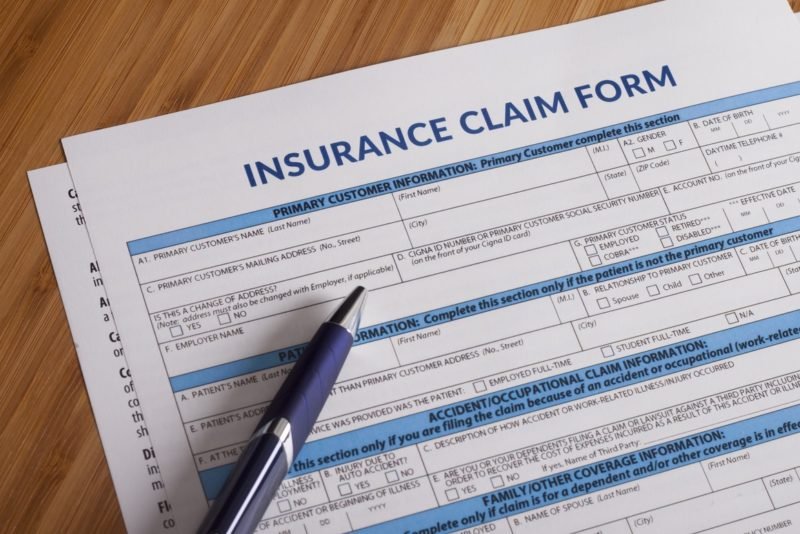
Filing an insurance claim can feel confusing, especially if you have never dealt with a car accident, home damage, or another unexpected loss. You may wonder who to contact, what documents to submit, how long the process will take, and when you can expect payment.
An insurance claim is a formal request asking your insurance company to provide benefits under your policy for a covered loss. The insurer reviews the incident, checks your coverage, evaluates the damage or expenses, and determines whether payment is appropriate.
Although the exact process varies by insurer, policy, and type of insurance, most claims follow a similar series of steps.
In this guide, we’ll explain how insurance claims work, what to expect at each stage, common mistakes to avoid, and what you can do if your claim is delayed or denied.
What Is an Insurance Claim?
An insurance claim is a request for payment or other benefits under an insurance policy after a covered event occurs.
For example:
- A homeowner files a claim after a covered storm damages the roof.
- A driver files a claim after a collision damages their vehicle.
- A policyholder requests payment for covered repairs following an insured loss.
The insurance company reviews the claim to determine whether the policy covers the incident and how much it may pay.
Filing a claim does not automatically guarantee payment. The loss must meet the policy’s coverage requirements, and exclusions, deductibles, limits, and other policy conditions may affect the outcome.
If you are unfamiliar with your policy’s protection, start with our guides on what homeowners insurance covers and what car insurance covers.
How Does an Insurance Claim Work? 7 Steps Explained
Most home and auto insurance claims follow these seven steps.
Step 1: Report the Incident to Your Insurance Company
The first step is to notify your insurer about the incident as soon as reasonably possible. Your policy may specify reporting requirements or deadlines, so review those terms promptly.
You can usually report a claim through your insurer’s website, mobile app, telephone line, or insurance agent.
Be prepared to explain:
- What happened.
- When and where the incident occurred.
- What property was damaged or what injuries occurred.
- Whether anyone else was involved.
- Whether emergency services or authorities were contacted.
For a car accident, you may need the other driver’s contact and insurance information, along with the police report number if a report was made.
For home damage, explain the likely cause, the affected areas, and whether temporary repairs were necessary.
Important: If the incident involves injuries, fire, significant property damage, or an immediate safety risk, prioritize safety and emergency assistance before handling paperwork.
Step 2: Document the Damage or Loss
Good documentation can help your insurer understand what happened and evaluate your claim.
Depending on the incident, collect:
- Photos and videos of the damage.
- Receipts for damaged belongings or emergency expenses.
- Repair estimates and invoices.
- Police or incident reports, when applicable.
- Contact information for witnesses or other parties.
- Relevant purchase records, warranties, or proof of ownership.
For example, if a storm damages your roof, take photographs of visible damage when it is safe to do so. Keep receipts for reasonable temporary measures, such as covering an exposed area to prevent additional damage.
Do not put yourself in danger to collect evidence. Avoid making permanent repairs before the insurer has had a reasonable opportunity to inspect the damage when an inspection is required. Necessary emergency repairs should not be delayed if doing so would create a safety hazard or cause further damage.
Step 3: Review Your Insurance Coverage
After receiving your report, the insurer will review the policy to determine whether the incident may be covered.
The review may consider:
- The type of coverage you purchased.
- The cause of the loss.
- Applicable exclusions.
- Your deductible.
- Policy limits.
- Whether the policy was active when the incident occurred.
- Any relevant policy conditions.
For example, homeowners insurance may cover certain sudden and accidental water damage, but it may exclude damage caused by long-term neglect or gradual deterioration. The outcome depends on the specific policy wording and facts.
Similarly, auto insurance may cover damage to your own vehicle under collision or comprehensive coverage, depending on what happened and which coverages you purchased.
Understanding your deductible is also important. Read our guide on what an insurance deductible is to learn how it can affect your claim payment.
Step 4: The Insurance Company Investigates the Claim
The insurer may assign a claims adjuster to investigate the incident and estimate the covered loss.
An adjuster may:
- Inspect the damaged property or vehicle.
- Review photographs and supporting documents.
- Interview you or other involved parties.
- Examine repair estimates.
- Request additional information.
- Assess the cause and extent of the damage.
Some claims can be evaluated using photographs, records, and remote inspections. Others require an in-person inspection or more detailed investigation.
Cooperate with reasonable requests and keep copies of the information you provide. If you do not understand a question or document request, ask the adjuster to explain what is needed and why.
Remember that the investigation is not necessarily complete just because an adjuster has inspected the damage. The insurer may need additional documentation before making a decision.
Step 5: Receive a Claim Decision and Settlement Estimate
After reviewing the available information, the insurance company determines whether the claim is covered and calculates the amount payable under the policy.
Possible outcomes include:
- Approved: The insurer agrees to pay some or all of the covered loss.
- Partially approved: Some damage or expenses qualify for coverage, while others do not.
- More information required: The insurer needs additional documentation or investigation.
- Denied: The insurer determines that the loss does not qualify for coverage or that a relevant policy condition has not been met.
If the claim is approved, the insurer should explain the settlement calculation and any applicable deductible, depreciation, limits, or other adjustments.
For example, suppose your vehicle has $4,000 in eligible collision repairs and a $500 deductible. If the full repair cost is covered, the insurer would generally pay $3,500, and you would be responsible for the $500 deductible.
Actual settlements can differ depending on policy terms, the valuation method, repair costs, and other circumstances.
Step 6: Complete Repairs or Replace Damaged Property
Once the claim is approved, you can proceed according to the insurer’s settlement arrangements and policy requirements.
Depending on the claim, payment may go to you, a repair shop, a contractor, a lender, or another eligible recipient.
Before authorizing major repairs, clarify:
- Whether the insurer has completed its inspection.
- Whether the proposed repair estimate has been reviewed.
- Whether additional approval is required for unexpected damage.
- Who will receive the payment.
- Whether you must pay any amount beyond the approved settlement.
Keep repair contracts, invoices, receipts, and communications related to the claim.
If additional damage becomes apparent during repairs, document it and contact your adjuster promptly. The insurer may need to review a supplemental estimate before paying additional benefits.
Step 7: Receive Payment and Keep Your Records
When the claim is finalized, the insurer issues payment according to the settlement and policy terms.
The payment process varies. Some straightforward claims are resolved relatively quickly, while complex claims involving major property damage, injuries, disputed liability, or extensive investigations may take considerably longer.
After receiving payment, keep copies of:
- The claim number and settlement letter.
- The adjuster’s estimates and reports you receive.
- Repair invoices and receipts.
- Relevant emails and letters.
- Any documents explaining the payment calculation.
These records can be useful if additional repairs are needed, a dispute arises, or you have questions about the settlement later.
How Long Does an Insurance Claim Take?
There is no single timeline that applies to every insurance claim.
A straightforward auto claim with clear liability and limited damage may be resolved faster than a complex homeowners claim involving structural damage or questions about the cause of the loss.
Factors that can affect the timeline include:
- The type and severity of the damage.
- How quickly you submit requested documents.
- Whether the insurer needs an inspection.
- Disputes about fault or responsibility.
- The availability of contractors or replacement parts.
- Whether coverage or the amount of loss is disputed.
- State laws and applicable claim-handling deadlines.
To help avoid unnecessary delays, report the incident promptly, provide accurate information, respond to reasonable requests, and keep a record of communications.
If the claim seems to be taking longer than expected, ask your adjuster what remains outstanding and when you can expect the next update.
What Is an Insurance Deductible, and How Does It Affect a Claim?
Your deductible is the amount you are generally responsible for paying toward a covered loss before the insurer contributes under coverage that has a deductible.
For example, suppose your homeowners policy covers $10,000 in eligible repairs and has a $1,000 deductible.
| Item | Amount |
|---|---|
| Eligible repair costs | $10,000 |
| Deductible | $1,000 |
| Estimated insurer payment | $9,000 |
This example assumes the full repair amount is eligible, the deductible applies as shown, and no other limits or adjustments reduce the payment.
A deductible does not mean that every loss is covered. The insurer must still determine whether the incident qualifies under the policy.
Some policies also use different deductibles for different types of claims. For example, a homeowners policy may have a separate percentage-based deductible for certain wind or hurricane losses.
What Happens If an Insurance Claim Is Denied?
A denied claim can be frustrating, but you may have options.
First, read the denial letter carefully. It should explain the insurer’s reason for denying the claim and identify relevant policy provisions.
Then consider these steps:
- Request clarification. Ask the insurer to explain the decision and identify the policy language it relied on.
- Review your documents. Check the policy, claim records, photographs, estimates, and any reports related to the incident.
- Provide missing evidence. If the decision was based on incomplete information, ask whether additional documentation could affect the outcome.
- Request a review. If you believe the decision is incorrect, use the insurer’s appeal or complaint process where available.
- Consider outside assistance. Depending on your circumstances, you may contact your state insurance department, consult a qualified professional, or seek legal advice.
Keep track of relevant deadlines. The process and available options depend on the policy, the nature of the dispute, and applicable state law.
We will cover this topic in more detail in a future InsuranceGuide.online article about what happens when an insurance claim is denied.
Common Insurance Claim Mistakes to Avoid
A few avoidable mistakes can complicate the claims process.
Waiting too long to report the loss
Delaying notification may make it harder to investigate the incident and could affect your rights under the policy. Follow your policy’s reporting requirements and notify the insurer promptly.
Providing incomplete or inaccurate information
Answer questions truthfully and carefully. If you discover an error in information you previously supplied, contact the insurer to correct it.
Failing to document damage
Photographs, receipts, estimates, and other records can help establish the extent of a loss. Keep copies of important evidence.
Making avoidable permanent repairs before an inspection
When practical, allow the insurer a reasonable opportunity to inspect damage before permanent repairs begin. However, take necessary steps to protect people and prevent further damage, and keep receipts for emergency work.
Assuming every expense will be reimbursed
Only expenses that qualify under your policy may be payable. Before incurring substantial costs, ask the insurer whether the expense may be covered and whether prior approval is required.
Accepting a settlement without understanding it
Review the settlement calculation, deductible, depreciation, and any applicable limits. Ask questions if you believe the payment does not reflect the covered loss.
Tips for a Smoother Insurance Claim Process
You can make the process easier by preparing a few things in advance.
- Keep your insurance policy and insurer’s contact information accessible.
- Maintain an updated record of valuable belongings and relevant receipts.
- Save photographs and documents related to significant damage.
- Record your claim number and the name of your adjuster.
- Keep written notes of important phone calls.
- Respond promptly to reasonable requests.
- Ask for explanations when a settlement calculation or coverage decision is unclear.
Being organized cannot guarantee approval or faster payment, but it can help reduce avoidable confusion.
Frequently Asked Questions
Do I get paid directly after filing an insurance claim?
No. Filing a claim begins the review process; it does not automatically result in payment. The insurer generally investigates the incident, checks coverage, evaluates the loss, and determines the amount payable.
Can I file an insurance claim without a police report?
Sometimes. A police report may be necessary or helpful for certain incidents, but it is not required for every insurance claim. Requirements depend on the circumstances, policy, and applicable law. Contact the insurer to confirm what documentation is needed.
Will filing an insurance claim increase my premium?
It may, but not every claim leads to a premium increase. The effect depends on factors such as the type of claim, your claims history, insurer rules, state regulations, and other rating factors.
Can an insurance company reject my claim?
Yes. An insurer may deny a claim if the loss is excluded, the policy does not provide the relevant coverage, or another valid policy or legal reason applies. If you disagree with the decision, review the denial explanation and ask about the available review or complaint process.
What should I do if my insurance claim is taking too long?
Contact your adjuster or claims department to request an update. Ask what information or action remains outstanding and whether there is an expected decision date. If the delay seems unreasonable, check the applicable state claim-handling requirements and consider contacting your state insurance department.
Do I need to pay my deductible before the insurance company processes my claim?
Not necessarily as a separate upfront payment. The deductible is generally applied when calculating the insurer’s payment. Depending on the situation, you may pay your share directly to a repair provider or otherwise bear that portion of the covered loss.
Final Thoughts
Understanding how an insurance claim works can make an already stressful situation easier to manage. The process generally involves reporting the incident, documenting the loss, reviewing coverage, investigating the claim, receiving a decision, completing repairs, and resolving payment.
The most important steps are to report the loss promptly, provide accurate information, keep useful records, understand your deductible, and ask questions when something is unclear.
Every insurance policy is different, so review your policy documents and communicate with your insurer throughout the process.
Disclaimer: This article is for general educational purposes only and does not constitute insurance, legal, or financial advice. Coverage, claim procedures, deadlines, and payment obligations vary by policy, insurer, and state. Consult your policy documents, insurer, or a qualified professional about your specific circumstances.