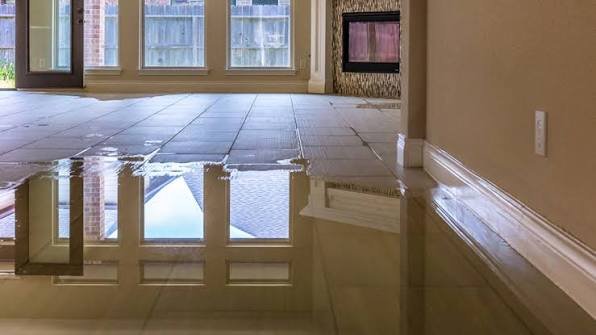
Water damage can happen unexpectedly and leave homeowners facing expensive repairs. A burst pipe, leaking appliance, damaged ceiling, or flooded basement can affect floors, walls, furniture, and personal belongings.
If you have homeowners insurance, you may wonder whether your policy will pay for the damage. The answer depends on what caused the water damage, how suddenly it occurred, and the terms of your policy.
Homeowners insurance often covers sudden and accidental water damage, but it generally does not cover every type of water-related loss. Damage caused by gradual leaks, neglected maintenance, or flooding from outside the home may be excluded unless you have specific coverage.
In this guide, we’ll explain when homeowners insurance may cover water damage, common exclusions, how claims work, and what to do if your home suffers water damage.
Does Homeowners Insurance Cover Water Damage?
In many cases, yes. Standard homeowners insurance policies commonly cover certain types of sudden and accidental water damage.
For example, your policy may cover damage caused by a pipe that unexpectedly bursts inside your home. It may also cover certain losses resulting from an appliance malfunction or accidental water discharge, depending on the circumstances.
However, coverage depends on your specific policy, the cause of the damage, applicable exclusions, and whether you have met the policy’s requirements.
Before assuming a repair will be covered, review your policy or contact your insurer.
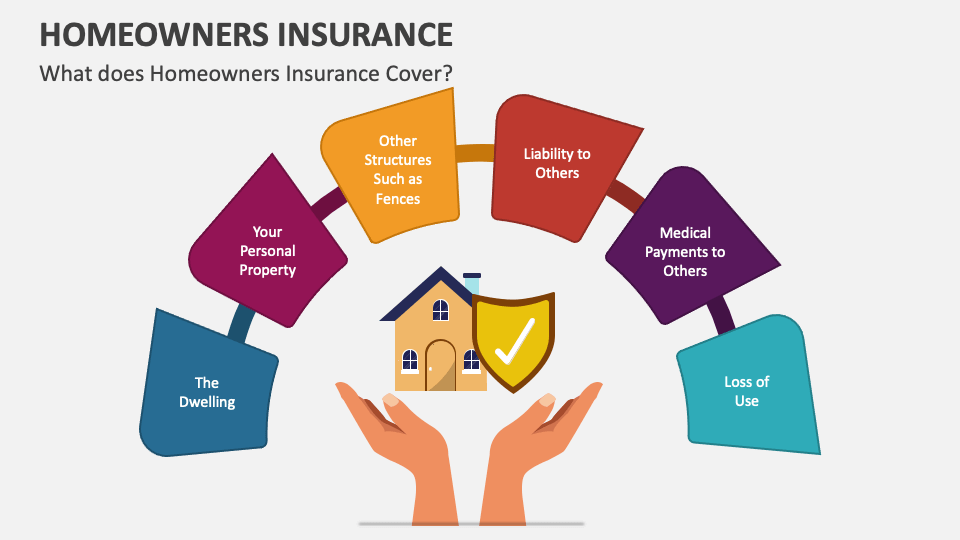
If you’re new to home insurance, read our guide on what homeowners insurance covers for an overview of dwelling coverage, personal property protection, liability, and other common policy features.
Types of Water Damage Homeowners Insurance May Cover
The following examples describe situations that may be covered under a standard homeowners policy. Actual coverage varies by insurer and policy wording.
1. Burst or Frozen Pipes
A pipe that suddenly bursts can release a large amount of water into your home. Water may damage drywall, flooring, cabinets, furniture, and other belongings.
Your policy may cover the resulting damage if the pipe failure is a covered event and you have complied with applicable policy conditions.
However, coverage can become more complicated if the pipe froze because the home was left without adequate heat or you failed to take reasonable precautions required by the policy.
The cost of repairing or replacing the pipe itself may also be treated differently from the damage caused by the escaping water.
2. Washing Machine Leaks
A washing machine hose can rupture or a machine can malfunction, releasing water into a laundry room or nearby areas.
If the discharge is sudden and accidental, the resulting damage may be covered.
For example, water escaping from a broken washing machine hose might damage the floor and nearby cabinets. Your insurer would review the cause of the leak, the affected property, your deductible, and any applicable exclusions.
Routine wear and tear or a known problem that was not repaired may affect coverage.
3. Dishwasher or Refrigerator Leaks
Dishwashers, refrigerators with water dispensers, and other water-connected appliances can develop leaks.
A sudden appliance malfunction may cause covered water damage to floors, cabinets, walls, or personal belongings. However, the appliance’s own repair or replacement may not be covered if the failure resulted from mechanical breakdown or ordinary wear and tear.
Check your policy to understand whether it covers the resulting damage, the appliance itself, or both.
4. Accidental Plumbing Leaks
A plumbing connection may fail unexpectedly, or a pipe inside a wall may suddenly break.
If the damage is covered, your policy may help pay for repairs to affected parts of the home and eligible belongings.
There may be limits or special conditions for accessing pipes behind walls or under floors. The insurer may also distinguish between repairing the failed plumbing component and repairing the water damage it caused.
5. Roof Leaks Caused by a Covered Event
Water entering through a damaged roof may be covered when the roof damage results from a covered event, such as certain storms.
For example, strong winds may damage roof shingles, allowing rainwater to enter and damage the ceiling.
However, homeowners insurance generally does not cover roof leaks caused solely by long-term deterioration, neglected maintenance, or ordinary wear and tear.
6. Accidental Overflow From Certain Household Fixtures
An unexpected overflow from a bathtub, sink, or other plumbing fixture may be covered under some circumstances.
Coverage depends on how the overflow occurred and the policy’s exclusions. For example, an accidental overflow may be treated differently from water damage caused by a fixture that has been leaking for months.
Document the incident and ask your insurer which policy provisions apply.
What Types of Water Damage Are Usually Not Covered?
Homeowners insurance does not provide unlimited protection against water damage. Certain causes of loss are commonly excluded from standard policies.
1. Flooding From Outside the Home
Standard homeowners insurance generally does not cover flooding as defined by the policy.
Flood damage may include water entering the home from overflowing rivers, heavy rainfall accumulating on the ground, or other qualifying flood events.
A separate flood insurance policy may be needed. In the United States, homeowners may be able to obtain flood coverage through the National Flood Insurance Program or a private insurer.
Flood coverage has its own definitions, exclusions, deductibles, and limits, so review the policy carefully before purchasing it.
2. Gradual Leaks
A slow leak that continues for weeks or months may be excluded, especially when the damage results from ongoing seepage, deterioration, or a maintenance issue.
For example, a pipe under a sink may leak slowly for several months, damaging the cabinet and surrounding floor. An insurer may deny some or all of the claim if the loss falls under a gradual-damage exclusion.
Some policies may treat hidden leaks differently, so do not assume every long-term leak is automatically excluded. The exact cause, policy wording, and circumstances matter.
3. Poor Maintenance or Neglect
Homeowners are generally expected to maintain their property and take reasonable steps to prevent avoidable damage.
Examples of potential maintenance issues include:
- Ignoring a visibly leaking pipe.
- Failing to repair deteriorating plumbing.
- Allowing a known roof leak to continue.
- Neglecting necessary upkeep that contributes to water intrusion.
If poor maintenance contributes to the loss, coverage may be limited or denied depending on the policy.
4. Sewer or Drain Backups
Water or sewage backing up through a drain, sewer line, or sump pump may not be covered under a standard homeowners policy unless additional coverage applies.
Some insurers offer a water-backup endorsement or similar optional protection.
This coverage is different from flood insurance, and the two do not necessarily cover the same events. Review the terms, exclusions, and limits of each option.
5. Groundwater Seepage
Water that seeps into a basement through foundation walls or floors may be excluded under standard homeowners insurance.
The policy may distinguish between groundwater, surface water, plumbing leaks, and other causes of water intrusion.
If your home is prone to basement moisture, ask your insurer which types of water damage are covered and whether any additional protection is available.
Does Homeowners Insurance Cover Water Damage in the Basement?
It depends on the source of the water.
| Cause of basement water damage | Possible coverage |
|---|---|
| A suddenly burst interior pipe | May be covered |
| A washing machine hose breaks | May be covered |
| Floodwater enters from outside | Generally requires separate flood coverage |
| Groundwater seeps through foundation walls | Commonly excluded |
| A sewer or drain backs up | May require additional coverage |
| A long-term plumbing leak causes damage | Coverage depends on policy terms and circumstances |
These are general examples, not guarantees. The insurer will assess the cause of the loss and the applicable policy language.
If you have a finished basement, ask about water-backup coverage, flood insurance, and any special limitations on basement property.
Does Homeowners Insurance Cover Mold Caused by Water Damage?
Sometimes. Mold coverage often depends on what caused the moisture, whether the underlying water damage is covered, and whether you took reasonable steps to prevent further damage.
For example, if a covered pipe burst and mold later developed because of the resulting moisture, your policy may cover some mold remediation costs, subject to its terms and limits.
However, mold resulting from prolonged humidity, persistent leaks, or neglected maintenance may not be covered.
Some policies impose a separate mold limit or require specific conditions to be met. Contact your insurer promptly after water damage and take reasonable steps to dry affected areas safely.
What Should You Do After Water Damage?
Taking appropriate action quickly can help protect your property and support the claims process.
Step 1: Protect People and Address Immediate Dangers
Stay away from standing water near electrical outlets, appliances, or wiring. If necessary, leave the affected area and contact qualified emergency professionals.
If a pipe is leaking and it is safe to do so, shut off the water supply. Contact emergency services if the situation presents an immediate danger.
Step 2: Stop Further Damage When Safe
Take reasonable steps to prevent the problem from getting worse.
Depending on the situation, this might include shutting off the water, arranging emergency plumbing repairs, or using temporary measures to protect exposed areas.
Keep receipts for reasonable emergency expenses. Do not delay essential safety measures just to wait for an insurance inspection.
Step 3: Photograph and Record the Damage
Take photographs or videos of affected rooms, walls, floors, furniture, and belongings when it is safe.
Keep a list of damaged items and gather receipts or other records that help establish ownership and value.
Document the apparent source of the water if possible, but do not dismantle damaged structures or put yourself at risk to gather evidence.
Step 4: Contact Your Insurance Company
Report the loss promptly and ask what information the insurer needs.
Your insurer may provide instructions about inspections, approved repair procedures, documentation, and temporary living arrangements if the home becomes uninhabitable.
Ask for a claim number and keep a record of important communications.
Step 5: Arrange Inspections and Repairs
Your insurer may send an adjuster to inspect the damage or ask for photographs, estimates, and other supporting documents.
Before making permanent repairs, clarify whether an inspection is needed and whether the proposed work should be reviewed first. Necessary emergency work should proceed when needed to protect people or prevent additional damage.
Step 6: Review the Settlement
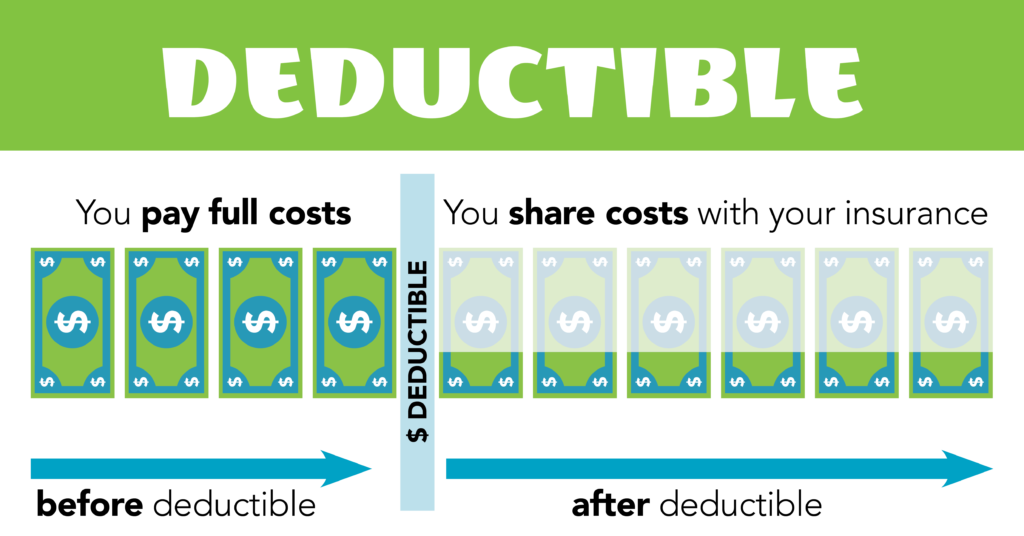
If your claim is approved, review the payment calculation, deductible, coverage limits, and any exclusions or adjustments.
For a practical explanation of the claims process, see our guide on how an insurance claim works.
How Much Does Homeowners Insurance Pay for Water Damage?
There is no fixed amount that applies to every water damage claim.
The amount your insurer pays depends on factors such as:
- Whether the cause of damage is covered.
- The cost of eligible repairs.
- Your deductible.
- The dwelling or personal property coverage limits.
- Applicable exclusions or special sublimits.
- Whether depreciation or other settlement rules apply.
Example of a water damage claim
Suppose a covered pipe bursts and causes $7,000 in eligible damage to your home. Your policy has a $1,000 deductible.
| Item | Amount |
|---|---|
| Eligible repair costs | $7,000 |
| Deductible | $1,000 |
| Estimated insurance payment | $6,000 |
This example assumes all $7,000 is covered and no other limits or adjustments apply.
Your actual payment may differ based on the policy’s settlement provisions and the insurer’s assessment.
If you want to understand how deductibles affect claim payments, read what an insurance deductible is.
How Can You Prevent Water Damage in Your Home?
Although insurance may cover some sudden losses, prevention can reduce the risk of expensive repairs and claim disputes.
Consider these precautions:
- Inspect visible plumbing connections and hoses periodically.
- Replace worn appliance hoses when recommended by the manufacturer.
- Repair leaks as soon as you notice them.
- Maintain your roof, gutters, and downspouts.
- Keep gutters clear so water can drain away from the home.
- Know where your main water shutoff valve is located.
- Insulate vulnerable pipes in cold weather.
- Consider leak-detection sensors near appliances and plumbing.
- Maintain appropriate drainage around your foundation.
- Review your insurance policy for flood and water-backup exclusions.
No prevention method can eliminate every risk, but regular maintenance and early action can help limit damage.
Frequently Asked Questions
Does homeowners insurance cover a burst water pipe?
It often covers resulting water damage when a pipe bursts suddenly and accidentally, subject to the policy’s conditions and exclusions. The cost of repairing the pipe itself may be treated differently from the damage caused by the escaping water.
Does homeowners insurance cover a leaking ceiling?
It may cover ceiling damage if the leak results from a covered event, such as certain storm damage or a sudden plumbing failure. Leaks caused by gradual deterioration or neglected maintenance may be excluded.
Does homeowners insurance cover water damage from heavy rain?
It depends on how the water entered the home and the cause of the loss. Rain entering through storm damage to the roof may be covered in some cases, while floodwater entering from outside is generally excluded under standard homeowners insurance.
Does homeowners insurance cover a flooded basement?
Not necessarily. Damage from a burst pipe may be covered, but flooding, groundwater seepage, and sewer backups often require separate or additional coverage. Check your policy to identify the applicable exclusions and options.
Will homeowners insurance pay for a plumber?
Your policy may cover reasonable costs associated with accessing and repairing covered damage, but it may not pay to repair the failed plumbing component itself. Coverage depends on the cause of the loss and policy wording.
Should I file a claim for minor water damage?
Compare the estimated covered repair cost with your deductible and consider whether additional damage may exist. If the loss is close to or below your deductible, an insurance payment may be limited or unavailable. For serious damage or uncertainty about reporting obligations, contact your insurer.
Final Thoughts
Homeowners insurance can help pay for certain types of water damage, particularly sudden and accidental losses such as some burst-pipe and appliance-leak incidents. However, flooding, gradual leaks, groundwater seepage, and sewer backups may be excluded or require additional coverage.
The most important step is to identify the source of the water and review your policy before assuming a loss is covered.
If water damage occurs, protect people first, prevent further damage when safe, document the loss, and notify your insurer promptly. Understanding your coverage before an emergency can also help you avoid unpleasant surprises.
Disclaimer: This article is for general educational purposes only and does not constitute insurance, legal, or financial advice. Coverage varies by insurer, policy, location, cause of damage, and applicable exclusions. Review your policy documents and consult your insurer or a qualified professional about your specific circumstances.