When you buy home or auto insurance, you may notice a term called a deductible in your policy. Understanding what it means is important because it affects how much you pay when you file an insurance claim.
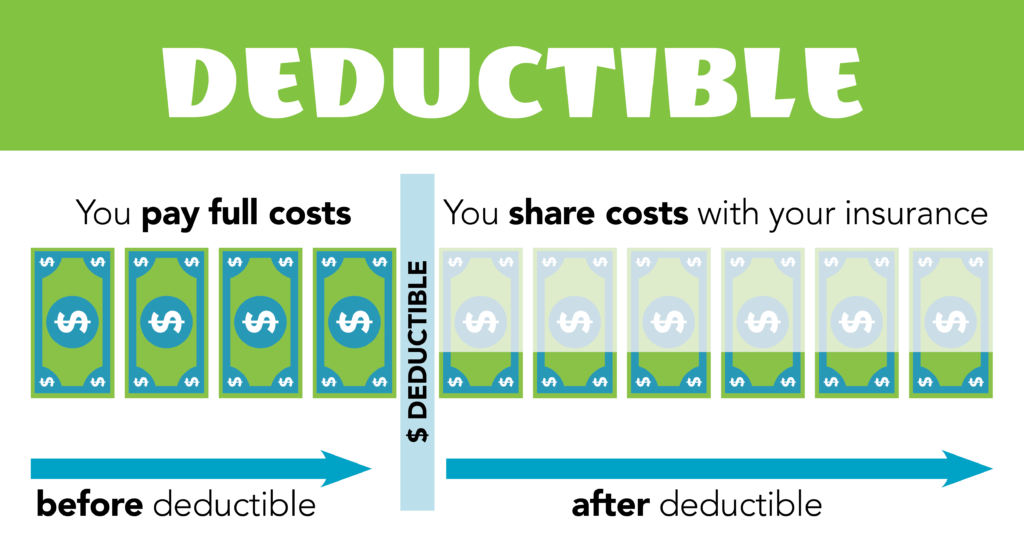
An insurance deductible is the amount you generally pay out of pocket for a covered loss before your insurance company pays the remaining eligible costs. The exact rules depend on your policy, the type of claim, and any applicable coverage limits.
For example, if your car has $2,000 in covered damage and your collision deductible is $500, you would generally pay $500, while your insurer would pay the remaining $1,500, assuming the full repair cost is covered.
In this guide, we’ll explain how insurance deductibles work, how they differ between home and auto insurance, and how to choose an amount that fits your budget.
What Is an Insurance Deductible?
An insurance deductible is the portion of a covered claim that you are responsible for paying before your insurance coverage contributes.
Deductibles are common in homeowners insurance and several types of auto insurance, including collision and comprehensive coverage. However, not every type of insurance coverage has a deductible.
Your deductible is usually listed in your insurance policy as either a fixed dollar amount or, in some homeowners policies, a percentage of your home’s insured value.
A deductible is different from your insurance premium. Your premium is the amount you pay to maintain your policy, while your deductible is the amount you may need to pay when a covered claim occurs.
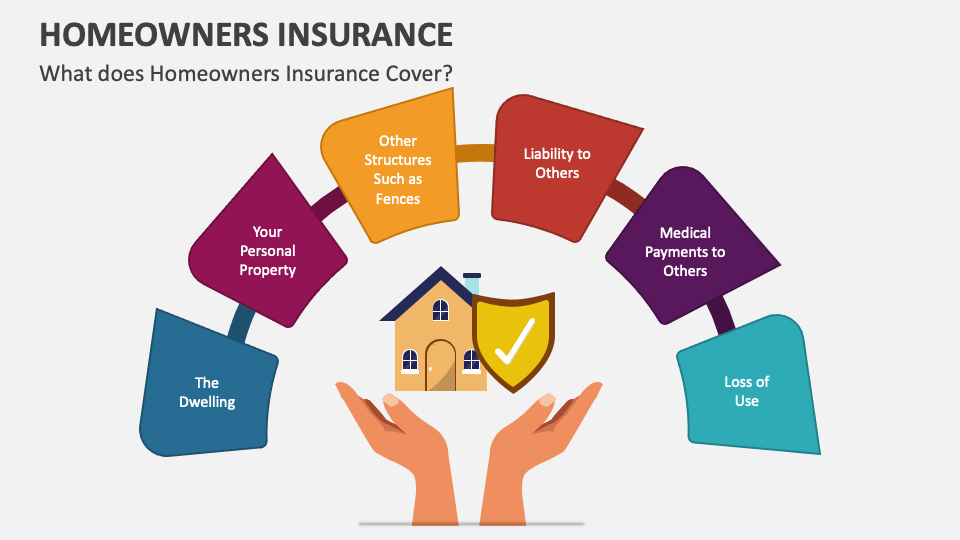
To understand the different types of protection your policy may provide, read our guide on what homeowners insurance covers or our explanation of what car insurance covers.
How Does an Insurance Deductible Work?
The process is relatively simple:
- A covered incident occurs, such as a car accident or storm damage to your home.
- You report the incident to your insurance company and file a claim.
- Your insurer reviews the claim to determine whether the loss is covered and how much is payable.
- Your deductible is applied according to your policy.
- The insurer pays the remaining eligible amount, up to the applicable coverage limits.
You generally pay the deductible as part of the repair or replacement costs rather than sending a separate deductible payment to your insurance company. The exact arrangement can vary depending on the claim and how the repairs are handled.
Example: A $500 deductible
Imagine your vehicle has $3,000 in covered collision damage, and your collision deductible is $500.
| Item | Amount |
|---|---|
| Covered repair cost | $3,000 |
| Your deductible | $500 |
| Insurer’s payment | $2,500 |
In this example, you pay $500, and your insurer pays the remaining $2,500.
This assumes the full repair amount is eligible under your policy, with no additional limits or adjustments.
How Do Deductibles Work in Auto Insurance?
Auto insurance deductibles depend on the coverage involved and the circumstances of the incident.
Collision coverage
Collision coverage generally helps pay for damage to your vehicle resulting from a collision with another vehicle or object, subject to your policy terms.
For example, if you hit a pole and your covered repair costs total $4,000, a $1,000 collision deductible would generally leave you responsible for $1,000. Your insurer would pay the remaining $3,000 if the entire amount is covered.
Comprehensive coverage
Comprehensive coverage generally applies to certain types of damage that do not involve a collision, such as theft, hail, falling objects, or vandalism. Coverage depends on the policy and applicable exclusions.
For instance, if a falling tree branch causes $1,500 in covered vehicle damage and your comprehensive deductible is $250, you would generally pay $250, with the insurer paying the remaining $1,250.
Liability coverage
Auto liability coverage generally pays for covered injuries or property damage you cause to others, up to your policy limits. It typically does not have a deductible for standard personal auto policies.
However, policy structures can vary, so check your documents to confirm how your particular coverage works.
What if another driver caused the accident?
If another driver is responsible for an accident, their liability insurance may pay for your covered damages, depending on the circumstances and applicable state laws.
If you use your own collision coverage first, you may need to pay your deductible. Your insurer may later seek reimbursement from the responsible party or their insurer. If your insurer recovers money, you may receive some or all of your deductible back, depending on the outcome.
How Do Deductibles Work in Homeowners Insurance?
Homeowners insurance deductibles work similarly, but the amount and calculation can vary by policy and by the cause of the damage.
Example: A $1,000 homeowners deductible
Suppose a covered storm damages your home, and the eligible repair cost is $8,000. Your policy has a $1,000 deductible.
| Item | Amount |
|---|---|
| Covered repair cost | $8,000 |
| Your deductible | $1,000 |
| Insurer’s payment | $7,000 |
You would generally be responsible for the first $1,000, while the insurer would pay the remaining $7,000, subject to policy terms and limits.
Percentage-based deductibles
Some homeowners policies use percentage-based deductibles for specific risks, including certain wind or hurricane losses.
For example, if your home is insured for $300,000 and your policy has a 2% deductible for a covered event, the deductible would be $6,000.
Calculation:
$300,000 × 2% = $6,000
This means you could be responsible for the first $6,000 of an eligible claim before the insurance payment is calculated.
Important: A percentage deductible may apply only to certain types of damage. Review your policy to understand which events trigger it and what value the percentage is based on.
What Is the Difference Between a High and Low Deductible?
Choosing a deductible involves balancing your regular insurance costs against the amount you could afford to pay after a covered loss.
High deductible
A higher deductible often results in a lower premium, although the actual savings depend on the insurer, policy, location, and coverage.
Potential advantages:
- Lower ongoing insurance costs.
- May suit people who have savings available for unexpected expenses.
- Can be useful if the premium reduction is worthwhile compared with the additional financial risk.
Potential disadvantages:
- You pay more out of pocket when a covered claim occurs.
- A major loss may create financial pressure if you have limited savings.
- Small claims may not be worth filing if the damage cost is close to the deductible.
Low deductible
A lower deductible often means a higher premium.
Potential advantages:
- Less out-of-pocket responsibility for a covered claim.
- May be more manageable for people with limited emergency savings.
- Can reduce the immediate financial burden after an accident or covered home loss.
Potential disadvantages:
- Higher ongoing premium costs.
- You may pay more over time even if you never file a claim.
Neither option is automatically better. The right choice depends on your budget, savings, insurance needs, and the price difference between deductible options.
How to Choose the Right Insurance Deductible
Before choosing a deductible, consider the following factors.
1. Review your emergency savings
Ask yourself how much you could comfortably pay after a covered incident without borrowing money or missing essential expenses.
A deductible should be an amount you can realistically afford, not just an amount that lowers your premium.
2. Compare premium differences
Ask your insurer for quotes with different deductible options. Compare the actual annual premium savings rather than assuming a higher deductible will make a significant difference.
For example, a higher deductible may not be worthwhile if the annual savings are small compared with the additional amount you could have to pay after a claim.
3. Consider the value of your vehicle or home
Your coverage needs and the potential cost of a loss can influence your decision. Consider the repair costs you might face and the financial risk you are comfortable accepting.
4. Check for special deductibles
Homeowners policies may have separate deductibles for wind, hail, hurricanes, or other covered risks. Auto policies may also apply different deductibles to comprehensive and collision coverage.
Do not assume that one deductible applies to every claim.
5. Think about your ability to manage unexpected costs
Your financial situation matters as much as the premium. If paying a large deductible would be difficult, choosing a lower amount may provide useful financial protection, even if the premium is higher.
Can You Avoid Paying an Insurance Deductible?
Sometimes, but it depends on the coverage and circumstances. You should not assume that every claim will require a deductible or that every claim can avoid one.
Here are a few examples:
- Another driver’s liability insurance: If the other driver is responsible and their insurer accepts the claim, you may be able to seek payment through their policy rather than your own collision coverage.
- Certain coverages without deductibles: Some policies or coverage types may not require a deductible.
- Specific policy provisions: Your policy may contain exceptions or special terms that affect whether a deductible applies.
If you file a claim through your own policy, the deductible generally applies whenever the relevant coverage requires one. Ask your insurer to explain the rules before deciding how to proceed.
Should You File a Claim if the Damage Is Less Than Your Deductible?
If the cost of damage is below your deductible, your insurer generally will not pay for that damage under the coverage subject to that deductible.
For example, if your car needs $400 in repairs and your collision deductible is $750, the repair cost is below your deductible. You would generally pay the full $400 yourself if you use that coverage.
If the damage is only slightly above the deductible, compare the potential insurance payment with the circumstances of the loss. Also consider whether the incident must be reported under your policy or applicable law and whether filing could affect future premiums or claim history.
For significant damage, injuries, or incidents involving other people, don’t make a decision based on the deductible alone. Review your policy and contact your insurer for guidance.
Common Insurance Deductible Mistakes to Avoid
Understanding your deductible can help you avoid surprises when you need to use your insurance.
Confusing your deductible with your premium: Your premium keeps your policy active, while the deductible is your share of a covered claim.
Choosing a deductible you cannot afford: A lower premium may not be worth the financial strain of paying a large amount after a loss.
Assuming every claim uses the same deductible: Your policy may have different deductibles for different coverages or events.
Ignoring percentage-based deductibles: A percentage-based homeowners deductible can be much larger than a fixed dollar amount.
Expecting insurance to cover every repair: A deductible does not guarantee coverage. The loss must qualify under your policy, and exclusions and limits may apply.
Frequently Asked Questions
What is a good deductible for home insurance?
A good homeowners insurance deductible is one that balances an affordable premium with an out-of-pocket amount you could manage after a covered loss. Compare fixed and percentage-based deductibles and check whether special deductibles apply to particular risks.
What is a good deductible for car insurance?
The right auto insurance deductible depends on your budget, savings, vehicle, and the premium difference between options. Choose an amount you could comfortably pay after a covered accident or other insured loss.
Do I pay my deductible before or after insurance pays?
Your deductible is applied when the insurer calculates the covered claim payment. In practice, you may pay your share directly as part of the repair process, depending on how the claim is handled.
Do I have to pay a deductible if someone hits my car?
Not necessarily. If the other driver’s insurer accepts responsibility, it may pay for covered damages under that driver’s liability coverage. If you use your own collision coverage, your deductible will generally apply, although you may recover it later if your insurer obtains reimbursement.
Is a $1,000 deductible better than a $500 deductible?
A $1,000 deductible may provide a lower premium, but you would generally pay an additional $500 out of pocket compared with a $500 deductible when a claim is subject to the deductible. Compare the actual premium savings and consider whether you can afford the higher amount.
Does every homeowners insurance claim have a deductible?
Not always. Deductible rules depend on the policy, the coverage involved, and the cause of the loss. Some policies have different deductibles for particular events.
Final Thoughts
An insurance deductible is an important part of understanding your home or auto insurance policy. It determines how much you may need to pay out of pocket before your insurer contributes to a covered loss.
A higher deductible can reduce your premium, while a lower deductible can limit your immediate expenses after a claim. The best choice is one that fits your financial situation without leaving you unprepared for unexpected costs.
Before making a decision, review your policy, compare available deductible options, and make sure you understand any special rules or exclusions.
Disclaimer: This article is for general educational purposes only and does not provide insurance, legal, or financial advice. Coverage, deductibles, exclusions, and claim procedures vary by insurer, policy, and state. Review your policy and consult your insurance provider for guidance about your specific circumstances.