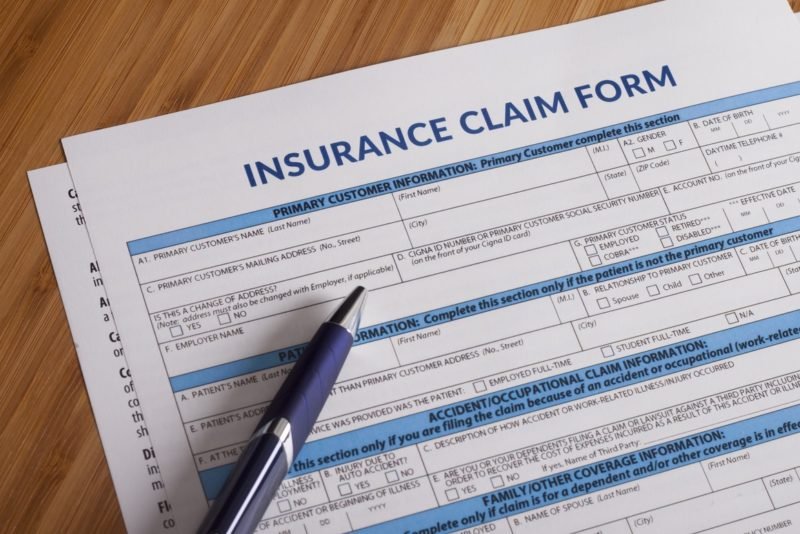
Filing an insurance claim can be stressful, especially when you are dealing with damage to your home or vehicle. The situation can become even more frustrating when your insurance company denies the claim.
A denied claim means the insurer has decided not to pay some or all of the amount requested. However, a denial does not always mean the decision is final or that you have no options. Depending on the circumstances, you may be able to request an explanation, provide additional evidence, correct missing information, or appeal the decision.
The right next step depends on your policy, the reason for the denial, and the laws that apply to your insurance coverage.
In this guide, we’ll explain common reasons insurance claims are denied, what to do after receiving a denial, and how to challenge a decision you believe is incorrect.
What Does It Mean When an Insurance Claim Is Denied?
An insurance claim is denied when an insurer determines that a loss does not qualify for payment under the policy or that another condition prevents payment.
A denial can apply to an entire claim or only part of it. For example, an insurer may agree to pay for some repairs but reject other costs because they are excluded, unsupported, or above a coverage limit.
A denial is also different from a claim that is still being reviewed. If your insurer requests additional documents or needs more time to investigate, your claim may be pending rather than denied.
If you are unfamiliar with the overall process, read our guide to how an insurance claim works. Confirm that the URL matches your existing article’s published slug before publishing this link.
Why Do Insurance Companies Deny Claims?
Insurance claims can be denied for several reasons. Understanding the reason given by your insurer is the first step toward deciding what to do next.
1. The damage is not covered by your policy
Insurance policies cover specific risks and contain exclusions. If the cause of your loss is excluded, the insurer may deny the claim.
For example, a standard homeowners policy may exclude certain types of flood damage, although separate flood insurance or specific policy endorsements may provide coverage.
Similarly, a basic auto liability policy generally does not pay for damage to your own vehicle.
Review your policy to understand what is covered and what is excluded. You can also read our guides on what homeowners insurance covers and what car insurance covers.
2. The policy has expired or was not active
An insurer may deny a claim if the policy was not in force when the loss occurred.
This can happen if coverage ended before the incident or if a payment problem led to cancellation after the required notices and procedures.
Check your policy’s effective dates and any cancellation notices. If you believe your coverage was active, gather documents showing your payments and policy status.
3. The claim involves a policy exclusion
Policies contain exclusions that specify circumstances in which coverage does not apply.
Depending on the policy, exclusions may relate to certain causes of damage, intentional acts, particular activities, or other specified situations.
Read the exact exclusion cited in the denial letter. If you believe the insurer has applied it incorrectly, ask for a detailed explanation and compare it with the policy wording.
4. Important information or documents are missing
Insurers may need photographs, repair estimates, receipts, police reports, medical records, or other documents to evaluate a claim.
If required information is missing, the insurer may delay its decision or deny the claim depending on the circumstances and policy terms.
Ask the insurer which documents are missing and whether submitting them could lead to reconsideration.
5. The claim was reported too late
Insurance policies often require policyholders to report losses within specified periods or as soon as reasonably possible, depending on the policy and applicable law.
A delay does not automatically invalidate every claim. The effect depends on the policy language, the circumstances, and relevant state law.
If your claim was reported late, explain the reason for the delay and provide supporting documentation where available.
6. The insurer disputes the cause or extent of the damage
An insurer may agree that damage occurred but disagree about what caused it or how much of the loss is covered.
For example, a homeowners insurer may determine that part of a roof’s deterioration resulted from long-term wear rather than a covered storm event.
In an auto claim, an insurer may dispute whether all reported damage resulted from the accident.
Photographs, maintenance records, independent professional assessments, and repair estimates may help clarify the situation.
7. The claim exceeds policy limits or involves a deductible
Sometimes an insurer does not pay the full amount requested because the loss exceeds the policy limit, the deductible applies, or some costs are not eligible for reimbursement.
This is not necessarily the same as a complete claim denial.
Ask the insurer for an itemized explanation showing the approved amount, deductible, coverage limits, and any costs it excluded.
8. The insurer suspects misrepresentation or fraud
Insurers may investigate claims when information appears inconsistent or raises concerns about possible misrepresentation.
An allegation does not automatically establish that fraud occurred. If the insurer raises this issue, respond truthfully, keep relevant records, and consider seeking qualified legal advice if the matter is serious.
Never alter documents or provide information you know is inaccurate.
What Should You Do After an Insurance Claim Is Denied?
If your claim is denied, avoid assuming that there is nothing you can do. Take these steps to understand the decision and determine whether it can be challenged.
Step 1: Read the denial letter carefully
Your insurer should explain its decision and identify the relevant policy provisions or reasons for the denial.
Look for:
- The specific reason the claim was denied.
- The policy wording or exclusion cited.
- Any missing evidence or disputed facts.
- Instructions for appealing or requesting a review.
- Applicable deadlines.
Keep the denial letter with your policy and other claim documents.
Step 2: Request a detailed explanation
If the reason is unclear, contact your insurer and ask for a written explanation.
You can ask which policy provision applies, what evidence was considered, and whether the insurer needs additional information.
Keep a record of calls, emails, names, dates, and reference numbers.
Step 3: Review your insurance policy
Compare the denial letter with the actual policy wording, including relevant definitions, coverage sections, exclusions, endorsements, and limits.
Make sure you are reviewing the policy that was active on the date of the incident.
If the denial appears inconsistent with your policy, identify the exact language that supports your understanding.
Step 4: Gather supporting evidence
Collect documents that may help explain why the claim should be reconsidered.
Depending on the type of claim, useful evidence may include:
- Photographs or videos of the damage.
- Repair estimates and invoices.
- Purchase receipts or proof of ownership.
- Police or incident reports.
- Maintenance records.
- Relevant emails and letters.
- Reports from qualified contractors, mechanics, or other professionals.
Organize the evidence by date and keep copies of everything you submit.
Step 5: Ask for reconsideration
If you believe the decision was based on incomplete information or a misunderstanding, contact the claims adjuster or insurer and request a review.
Explain why you disagree, refer to the relevant policy wording, and provide the evidence that supports your position.
Remain factual and specific. A clear explanation supported by documents is generally more useful than a complaint that does not address the insurer’s stated reasons.
Step 6: Submit a formal appeal if available
Some insurers provide an internal appeals or review process. Follow the instructions and submit your appeal within the stated deadline.
Explain:
- Which decision you are challenging.
- Why you believe the decision is incorrect.
- Which policy provisions support your position.
- What evidence is attached.
- What outcome you are requesting.
Keep proof that your appeal was submitted and retain a copy of the complete package.
Can You Appeal a Denied Insurance Claim?
In many situations, you can ask an insurer to reconsider a denied claim or use its formal complaint or appeal process. The available options depend on the type of insurance, your policy, and applicable law.
An appeal may be worth pursuing if:
- The insurer overlooked relevant evidence.
- The decision appears inconsistent with the policy wording.
- The amount of damage was assessed incorrectly.
- The insurer relied on facts you believe are inaccurate.
- You have new documents that could affect the outcome.
An appeal does not guarantee payment. The insurer may uphold the denial after reviewing the additional information.
Pay attention to all deadlines. Internal appeals, regulatory complaints, and legal proceedings may have different time limits. Do not assume that an internal review automatically pauses any legal deadline.
What If the Insurance Company Still Refuses to Pay?
If the insurer maintains its denial and you believe the decision is unfair or inconsistent with your policy, you may have further options.
Contact your state’s insurance department
In the United States, state insurance departments regulate many types of insurance and provide consumer assistance. You can find your state’s insurance department through the National Association of Insurance Commissioners (NAIC).
Depending on your state and the circumstances, you may be able to submit a complaint asking the regulator to review the insurer’s handling of your claim.
A regulator’s review does not guarantee that the claim will be paid, and the regulator may not resolve every contractual dispute.
Consider an independent professional assessment
If the disagreement concerns the cause or cost of damage, a qualified independent professional may be able to provide an assessment.
For example, a contractor may evaluate roof damage, while a qualified automotive repair professional may review a disputed vehicle estimate.
Before paying for an assessment, consider its cost and whether the insurer will accept or consider the report.
Seek legal advice when appropriate
For a high-value claim, a complex coverage dispute, or a denial involving a serious financial loss, consider consulting a lawyer who handles insurance disputes in your state.
Review any applicable deadlines promptly. Legal options and procedures differ according to the policy and jurisdiction.
How Long Do You Have to Appeal a Denied Insurance Claim?
There is no single deadline that applies to every insurance claim in the United States.
The time limit may depend on the insurance policy, the type of claim, state law, and the review process available.
Your denial letter may specify a deadline for submitting additional evidence or requesting an internal appeal. Other deadlines may apply to regulatory complaints or court proceedings.
Read the letter as soon as you receive it and contact the insurer if any deadline is unclear. If the potential loss is substantial, seek qualified legal advice rather than waiting until the last minute.
Can a Denied Insurance Claim Affect Your Premium?
A denied claim does not automatically mean your insurance premium will increase. The effect depends on the insurer, state rules, policy type, and how the claim is recorded and considered during underwriting or renewal.
Some insurers may consider claim history when setting premiums, where permitted. The treatment of a claim can vary depending on the circumstances, including whether the claim was paid.
If you are concerned, ask your insurer how the claim will be recorded and whether it may affect your renewal or future rates. Do not assume that a denial has no effect or that it will necessarily increase your premium.
How to Reduce the Risk of a Claim Denial
Although you cannot prevent every coverage dispute, several habits may help you avoid common problems.
- Understand your policy: Know your coverage, exclusions, limits, and deductibles before a loss occurs.
- Keep your policy current: Review renewal documents and make sure payments are made on time.
- Report incidents promptly: Follow your policy’s reporting requirements.
- Document damage: Take photographs and keep receipts, estimates, and relevant records.
- Provide accurate information: Ensure that the details in your claim are complete and truthful.
- Keep copies of communications: Save letters, emails, claim numbers, and notes from calls.
- Ask questions early: If you are unsure whether an event is covered, contact your insurer for clarification.
For a broader overview of the process, see our guide to how an insurance claim works.
Frequently Asked Questions
Does a denied insurance claim mean I will never receive payment?
Not necessarily. You may be able to request reconsideration, provide additional evidence, or appeal the decision. Whether the claim can be approved depends on the policy, facts, and applicable law.
Should I get a lawyer if my insurance claim is denied?
Not every denial requires a lawyer. However, legal advice may be helpful if the claim involves a substantial amount, a complicated coverage dispute, an allegation of fraud, or a potential deadline for legal action.
Can I file a complaint against my insurance company?
You may be able to file a complaint with your state’s insurance department. The department can explain its process and whether it can assist with your particular issue.
What if my insurance company does not explain why it denied my claim?
Ask for a written explanation identifying the reason for the decision and the relevant policy provisions. If the response remains inadequate, you can ask about the insurer’s complaint process or contact your state insurance department for guidance.
Can an insurer deny a claim because I reported it late?
A late report may affect coverage, but the result depends on the policy wording, circumstances, and applicable law. Explain the reason for the delay and ask the insurer to identify the specific provision it relied on.
Should I stop communicating with my insurer after a denial?
Generally, keep communication professional and documented. Respond to reasonable requests, keep copies of your submissions, and follow any applicable appeal or complaint procedures.
Final Thoughts
An insurance claim denial can be frustrating, but it is important to understand the reason before deciding what to do next.
Read the denial letter, review your policy, gather relevant evidence, and ask the insurer to reconsider the decision if you believe it is incorrect. If the issue remains unresolved, your state insurance department or a qualified legal professional may be able to explain the options available to you.
Above all, pay attention to deadlines and keep detailed records throughout the process. Taking organized, timely steps can help you understand your rights and make an informed decision about how to proceed.
Disclaimer: This article is for general educational purposes only and does not provide insurance, legal, or financial advice. Insurance coverage, appeals procedures, and deadlines vary by policy and state. Review your policy and contact your insurer, state insurance department, or a qualified legal professional for guidance about your circumstances.