
Homeowners insurance is an important part of protecting your property, but rising premiums can put pressure on your household budget. If your renewal notice shows a higher price than last year, you may be wondering whether there is a way to reduce the cost without leaving your home financially exposed.
The good news is that lowering your homeowners insurance costs does not always mean reducing your coverage. Reviewing your policy, comparing options, improving home safety, and understanding your deductible may help you find a better balance between affordability and protection.
In this guide, we explain practical ways to lower homeowners insurance costs while keeping the coverage that matters.
1. Compare Homeowners Insurance Options
One of the most effective ways to check whether you are paying too much is to compare available insurance options.
Insurance companies evaluate risk differently. Two providers may offer similar coverage but calculate premiums differently based on your property’s location, construction, age, claims history, and other factors.
When comparing policies, look beyond the total premium. Review:
- Dwelling coverage limits
- Personal property protection
- Personal liability coverage
- Additional living expenses coverage
- Deductibles
- Exclusions and coverage restrictions
- Optional endorsements
A cheaper policy may not be the better choice if it provides significantly less protection.
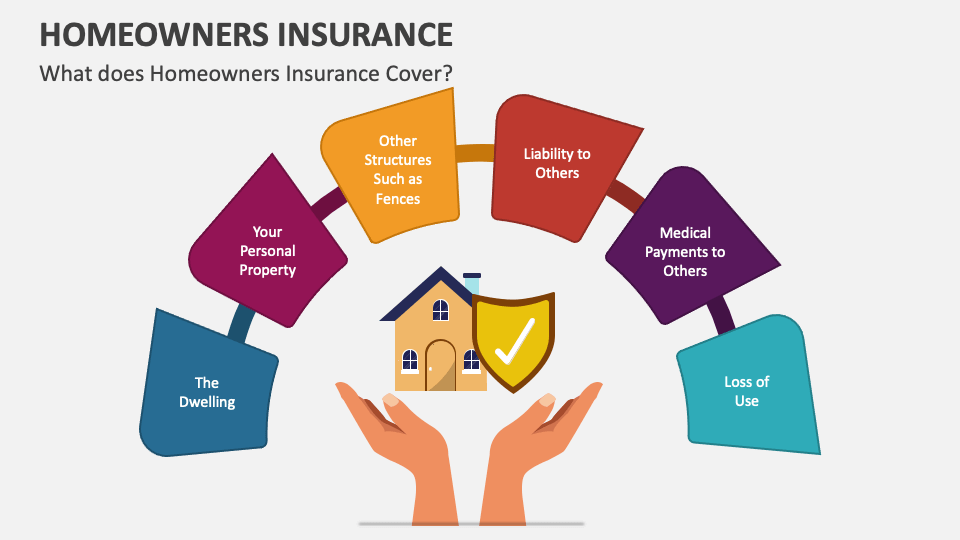
You can learn more about the basic protections included in a standard policy in our guide: What Does Homeowners Insurance Cover?
2. Review Your Home’s Dwelling Coverage Limit
Dwelling coverage is designed to help pay for rebuilding or repairing your home after a covered loss.
However, your home’s market value and its estimated rebuilding cost are not necessarily the same. Market value includes factors such as land value and local property demand, while rebuilding cost generally considers materials, labor, construction features, and other rebuilding expenses.
Review whether your dwelling coverage still reflects a reasonable estimate of the cost to rebuild your home.
Avoid reducing this limit simply to make your premium cheaper. If the amount is too low after a major covered loss, you may have to pay a substantial amount yourself.
Ask about how your rebuilding estimate was calculated and whether it needs updating.
3. Consider Increasing Your Deductible
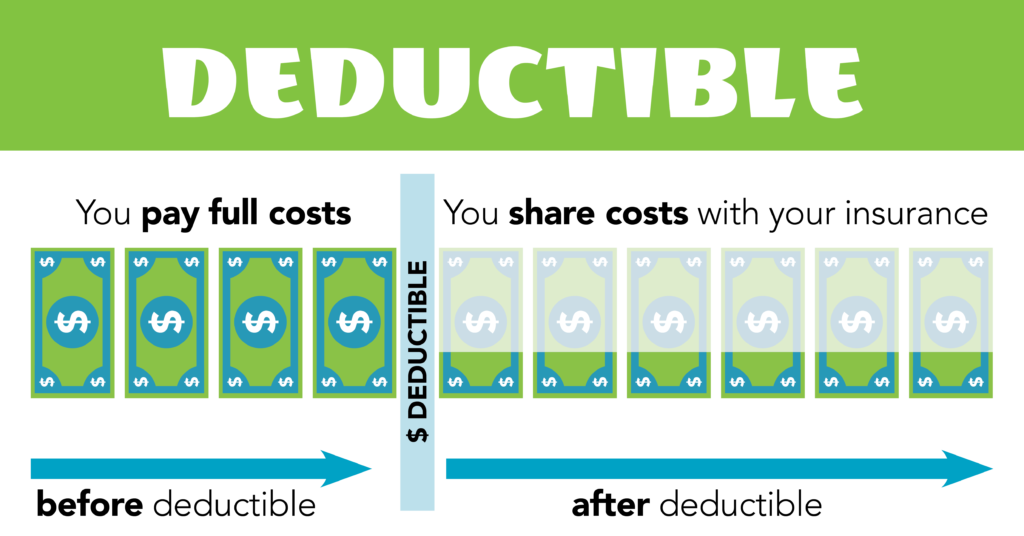
Your deductible is the amount you generally pay out of pocket toward a covered claim before your insurance pays the remaining covered amount, subject to policy terms and limits.
Choosing a higher deductible may reduce your premium because you agree to take on more of the initial financial responsibility if a covered loss occurs.
For example, compare policies with different deductible amounts and see how much the premium changes.
Before choosing a higher deductible, consider:
- Whether you have enough emergency savings
- Whether you could afford the deductible after unexpected damage
- Whether separate deductibles apply to wind, hail, or other events
- Whether your policy includes percentage-based deductibles
A higher deductible is only useful if you can realistically afford to pay it when needed.
4. Ask About Available Home Insurance Discounts
Insurance providers may offer discounts for certain home features, policy arrangements, or customer circumstances. Availability and eligibility vary by provider and location.
Depending on the policy, possible discounts may include:
- Bundling home and auto insurance
- Installing approved security systems
- Having smoke detectors and fire alarms
- Installing eligible water-leak detection devices
- Using certain storm-resistant improvements
- Maintaining a claims-free history
- Insuring multiple eligible properties with the same provider
Do not assume a discount is automatically applied. Ask your insurance provider which discounts are available and whether you need to provide documentation.
Also compare the final premium after discounts. A policy with several advertised discounts is not necessarily cheaper than another policy.
5. Improve Your Home’s Safety and Security
Reducing the likelihood of certain losses may help make your property more attractive to insurance providers.
Consider improvements such as:
- Installing monitored burglar alarms
- Maintaining smoke and carbon monoxide detectors
- Adding approved fire-safety equipment
- Installing water-leak sensors
- Maintaining plumbing systems
- Repairing damaged roofing
- Keeping electrical systems in good condition
Some improvements may qualify for insurance discounts, but not all upgrades automatically reduce premiums.
Before spending money on new equipment, ask your provider whether the specific improvement is recognized for underwriting or discount purposes.
6. Maintain Your Roof and Prevent Water Damage
Roof condition can influence homeowners insurance costs because damaged or aging roofs may increase the likelihood of water intrusion and weather-related losses.
Regular maintenance can help identify problems before they become expensive.
Check for:
- Missing or damaged shingles
- Signs of roof leaks
- Blocked gutters and downspouts
- Damaged flashing
- Water stains on ceilings
- Poor drainage around the property
Water damage can also result from leaking pipes, faulty appliances, and plumbing failures. Routine inspections and timely repairs may help prevent avoidable damage.
Remember that insurance coverage for roof damage and water-related incidents depends on the cause of the damage, policy exclusions, maintenance requirements, and other terms.
7. Review Optional Coverage and Endorsements
Homeowners insurance policies may include optional endorsements that extend or modify coverage.
These additions can be useful, but your circumstances may change over time. An endorsement that was important when you purchased your policy may no longer be necessary.
Review optional coverage for:
- Scheduled jewelry and valuable items
- Special equipment or collections
- Home-based business property
- Additional structures
- Equipment breakdown
- Water backup protection
- Identity theft-related services
Do not remove an endorsement without understanding what protection it provides. If you own expensive items or have specific property risks, removing certain coverage could leave you underinsured.
8. Check Whether Your Personal Property Coverage Is Appropriate
Personal property coverage helps protect belongings such as furniture, clothing, electronics, and household equipment against covered losses.
Review whether your current personal property limit is reasonable for the belongings you own.
Consider:
- The estimated replacement cost of your possessions
- Whether your policy pays actual cash value or replacement cost
- Special limits for jewelry, electronics, cash, and collectibles
- Whether valuable belongings need separate coverage
Reducing personal property coverage without checking your belongings could create problems after a theft, fire, or other covered event.
The goal is to avoid paying for unnecessary protection while maintaining enough coverage to replace your possessions.
9. Avoid Small Claims When Paying Yourself Makes Sense
Making an insurance claim may affect your future premiums or renewal options, depending on the insurer, state regulations, claim type, and your claims history.
For minor damage, it may sometimes make financial sense to pay for repairs yourself.
However, do not avoid reporting a serious incident simply because you are concerned about premium increases.
Before deciding, consider:
- The estimated repair cost
- Your policy deductible
- Whether the damage is covered
- Whether the incident could cause additional damage
- Any policy requirements for reporting losses
If you are unsure, review your policy and contact your insurance provider to understand your obligations.
10. Review Your Policy Every Year
Your home, finances, and insurance needs can change over time. Reviewing your policy at renewal gives you an opportunity to identify outdated information and coverage gaps.
Check whether:
- Your home’s rebuilding cost has changed
- You have completed renovations
- You purchased expensive belongings
- Your household circumstances have changed
- Your deductible is still affordable
- Your current coverage limits remain appropriate
You should also verify that your property details are accurate. Incorrect information about the home’s construction, occupancy, or features could affect underwriting and coverage.
For a broader explanation of how premiums are calculated, read our guide: How Much Does Homeowners Insurance Cost in the US?
11. Avoid These Mistakes When Trying to Save Money
Reducing your insurance premium should not come at the expense of important financial protection.
Avoid these common mistakes:
Choosing the cheapest policy without comparing coverage: A low premium may come with lower limits, higher deductibles, or more exclusions.
Reducing dwelling coverage too much: Your coverage should reflect a reasonable rebuilding estimate, not simply the amount you want to spend.
Ignoring liability protection: Personal liability coverage may help protect you financially if you are legally responsible for certain injuries or property damage.
Selecting a deductible you cannot afford: A higher deductible can create financial difficulties after a covered loss.
Assuming every home improvement earns a discount: Confirm eligibility before investing in upgrades for insurance savings.
Forgetting to review exclusions: Understand which types of damage are not covered by your policy.
Can You Lower Homeowners Insurance Costs Without Losing Coverage?
Yes. In many cases, you can reduce your homeowners insurance costs without removing important protections.
Start by comparing policies, reviewing your deductible, checking available discounts, and making sure your coverage limits are appropriate. You may also find savings through home safety improvements and regular policy reviews.
The most important point is to compare the overall protection you receive rather than focusing only on the premium.
Frequently Asked Questions
1. What is the easiest way to lower homeowners insurance costs?
Start by comparing insurance options and asking about available discounts. Review your deductible and check whether your current coverage still reflects your home’s rebuilding needs.
2. Does increasing my homeowners insurance deductible lower my premium?
It may. A higher deductible generally means you pay more toward a covered claim before insurance contributes. Some providers may offer a lower premium in exchange for accepting that additional responsibility.
3. Can installing a security system reduce homeowners insurance?
Some insurance providers offer discounts for eligible security systems, monitored alarms, and other protective devices. Ask your provider which systems qualify before purchasing equipment.
4. Does bundling home and auto insurance save money?
Bundling may qualify you for a discount when the same provider insures multiple eligible policies. However, compare the combined cost with separate policies to confirm that it actually saves money.
5. Should I reduce my dwelling coverage to save money?
Not without reviewing your home’s estimated rebuilding cost. Reducing dwelling coverage too much could leave you without enough protection after a major covered loss.
6. Do homeowners insurance premiums go down over time?
Not necessarily. Premiums may increase or decrease based on construction costs, local risks, claims trends, property changes, underwriting decisions, and other factors.
7. Can a new roof lower homeowners insurance costs?
A newer roof may improve your property’s risk profile and could qualify for certain discounts. The impact depends on the roof materials, age, condition, local risks, and provider requirements.
8. Does making fewer insurance claims lower my premium?
A favorable claims history may help with pricing or eligibility, depending on the provider and state. However, there is no guarantee that avoiding claims will automatically reduce your premium.
9. Is the cheapest homeowners insurance policy the best option?
Not always. A cheaper policy may have lower coverage limits, higher deductibles, or more exclusions. Compare the full policy details before making a decision.
10. How often should I review my homeowners insurance?
Review your policy at least once a year, particularly before renewal. You should also review it after major renovations, property purchases, or significant changes to your household.
Explore Your Home Insurance Options
Finding suitable homeowners insurance involves more than choosing the lowest premium. It means understanding your property’s risks, comparing available coverage, and selecting protection that fits your circumstances.
InsuranceGuide.online provides educational insurance information and has an authorized insurance partnership. If you would like to learn more about services available through this partnership, contact us to discuss the options that may be relevant to your needs.
Disclaimer: This article is for general educational and informational purposes only. It does not constitute legal, financial, or insurance advice, and it does not guarantee insurance discounts, coverage, or savings. Insurance terms, availability, premiums, exclusions, and state requirements vary. Always review your policy documents and confirm details with the relevant insurance provider or licensed professional.