Getting car insurance as a young driver can be expensive, especially if you have recently received your driver’s license or have limited driving experience.
Insurance companies often charge younger drivers higher premiums because they generally have less experience behind the wheel and may represent a greater statistical risk. However, that does not mean you have to accept the first expensive quote you receive.
There are several ways young drivers may reduce their insurance costs, including comparing providers, choosing a suitable vehicle, maintaining a clean driving record, and checking available discounts.
Whether you are a teenager, college student, or young adult buying your first car, understanding how insurers calculate premiums can help you find coverage that fits your needs and budget.
In this guide, we explain why car insurance is expensive for young drivers and share practical ways to make it more affordable.
Why Is Car Insurance So Expensive for Young Drivers?
Young drivers often pay more for car insurance because insurers consider driving experience when assessing risk.
Drivers who have recently obtained their licenses may have limited experience handling difficult road conditions, heavy traffic, and unexpected situations.
Several factors can contribute to higher premiums.
1. Limited driving experience
A newly licensed driver has not had as much time to develop practical driving skills as someone who has been driving for many years.
Insurance companies may consider this when calculating premiums.
As you gain experience and maintain a safe driving record, you may become eligible for more competitive rates.
2. Higher statistical accident risk
Insurance companies analyze historical claims and driving data to estimate the likelihood of future losses.
Younger drivers, particularly teenagers, generally have higher crash rates than older and more experienced drivers.
This is one reason insurance premiums can be significantly higher for younger age groups.
3. The vehicle you drive
The car you choose can make a noticeable difference in your insurance cost.
Vehicles with expensive replacement parts, powerful engines, high repair costs, or higher theft rates may cost more to insure.
For a young driver, a practical sedan or smaller vehicle with good safety features may be more affordable to insure than a high-performance sports car.
4. Your location
Insurance costs vary between states and even between ZIP codes.
Insurers may consider:
- Local accident rates.
- Vehicle theft statistics.
- Traffic density.
- Repair expenses.
- Weather-related risks.
- State insurance requirements.
A young driver living in a busy metropolitan area may receive a different quote from someone living in a smaller town.
5. Your insurance history
Drivers with no previous insurance experience may have fewer opportunities to demonstrate a history of continuous coverage.
A previous coverage lapse may also affect eligibility or pricing, depending on the insurer and state.
If you are purchasing your first vehicle, ask insurers how they assess newly licensed drivers and what information they need to provide a quote.
10 Ways to Get Cheaper Car Insurance for Young Drivers
Reducing your premium requires comparing your options and understanding which factors you can control.
Here are ten practical steps worth considering.
1. Compare quotes from multiple insurance companies
One of the most effective ways to find affordable car insurance is to compare quotes from several providers.
Different insurers use different pricing methods. A company that offers a competitive price to one young driver may be more expensive for another.
When comparing quotes, use the same:
- Vehicle details.
- Driver information.
- Liability limits.
- Collision and comprehensive coverage.
- Deductibles.
- Optional coverage selections.
This helps you identify genuine price differences rather than comparing policies that offer different levels of protection.
2. Consider joining a parent’s insurance policy
If you are a teenager or young adult living with your parents, joining an eligible family auto insurance policy may be worth exploring.
In some situations, adding a young driver to an existing household policy can cost less than purchasing a separate policy.
However, the savings depend on the insurer, household drivers, vehicles, location, and eligibility requirements.
There are also situations where a separate policy may be more suitable.
Always disclose where the young driver lives, which vehicles they use, and who owns the car. Incorrect information about the primary driver or vehicle ownership can create problems when making a claim.
3. Choose an affordable vehicle to insure
Your choice of car can have a major influence on your insurance premium.
Before purchasing a vehicle, request insurance estimates for the specific model and year you are considering.
Factors that may affect the cost include:
- Vehicle replacement value.
- Engine power and performance.
- Repair and replacement part costs.
- Safety equipment.
- Theft history.
- Claims experience for that model.
A practical vehicle with good safety features may be less expensive to insure than a high-performance car.
Remember that a vehicle’s purchase price alone does not determine its insurance cost.
4. Maintain a clean driving record
Avoiding accidents and traffic violations can help young drivers build a positive driving history.
Safe driving habits include:
- Following speed limits.
- Avoiding distracted driving.
- Never driving under the influence.
- Maintaining a safe following distance.
- Using seat belts.
- Avoiding unnecessary risks in difficult weather.
Some insurers offer safe-driving discounts or programs that monitor driving behavior, subject to eligibility and state regulations.
5. Ask about good student discounts
Students who achieve qualifying academic results may be eligible for discounts from certain insurers.
Eligibility requirements vary. Some companies may consider grade averages, academic performance, or full-time student status.
If you are a high school or college student, ask your insurer:
- What academic requirements apply?
- Which documents are accepted?
- How frequently must eligibility be confirmed?
- Does the discount continue after graduation?
A good student discount is not guaranteed, but it is worth checking.
6. Complete an approved driver education course
Some insurance companies offer discounts to eligible drivers who complete approved driver training or defensive driving courses.
These programs may teach skills such as:
- Recognizing road hazards.
- Managing following distances.
- Handling difficult weather.
- Understanding defensive driving techniques.
- Avoiding distractions.
Before enrolling, check whether your insurer recognizes the course and whether you meet the discount requirements.
Do not assume that every online driving course qualifies.
7. Choose a deductible you can afford
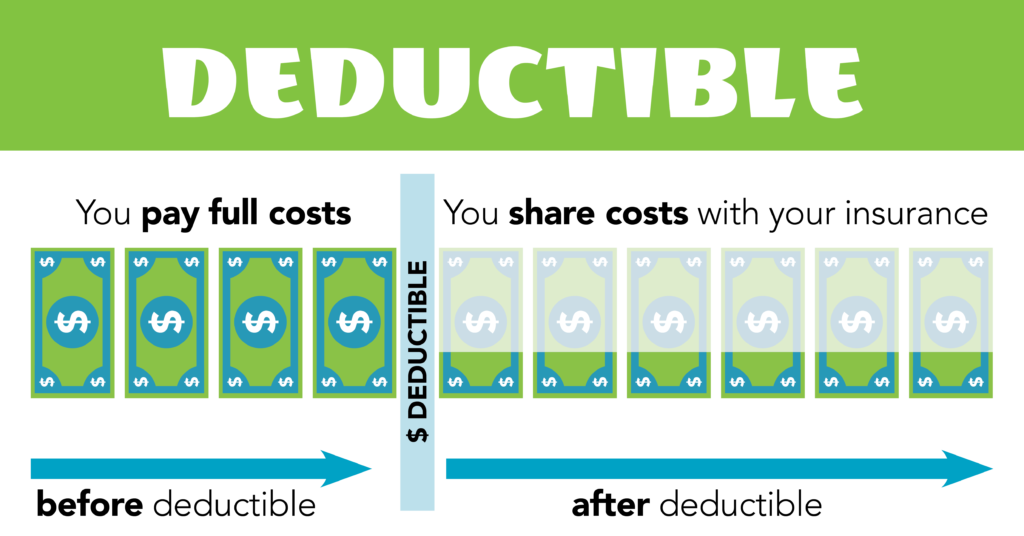
Your deductible is the amount you pay toward a covered claim before your insurer pays the remaining eligible amount.
For example, if you have $2,500 in covered collision damage and a $500 deductible, the insurer would generally pay $2,000, assuming the full amount is covered.
Choosing a higher deductible may reduce the cost of collision or comprehensive coverage.
However, young drivers should avoid selecting a deductible that they cannot afford to pay after an accident.
For a more detailed explanation, read our guide to what an insurance deductible is. Confirm that this is the correct live URL for your deductible article.
8. Ask about bundling discounts
Some insurers offer discounts when eligible customers purchase multiple policies from the same company.
For example, a household may be able to combine:
- Auto insurance.
- Homeowners insurance.
- Renters insurance.
If you live with your parents, ask whether an eligible household policy could offer savings.
However, bundling is not always the cheapest option. Compare the total cost of each policy separately and together before making a decision.
9. Consider usage-based insurance
Some insurance companies offer programs that evaluate driving behavior or mileage through a mobile application or vehicle device.
Depending on the program, insurers may consider:
- Driving speed.
- Braking patterns.
- Acceleration.
- Driving times.
- Annual mileage.
Safe driving behavior may qualify for discounts under some programs.
However, these programs can also involve privacy considerations, and not every driver receives a discount. Read the terms carefully before enrolling.
10. Review your policy at renewal
Your insurance needs may change as you gain experience, purchase a different vehicle, move to another location, or change your driving habits.
Review your policy at renewal to determine whether:
- Your premium has increased.
- You qualify for new discounts.
- Your annual mileage has changed.
- Your coverage limits remain appropriate.
- Another provider offers comparable coverage at a lower price.
Do not allow your policy to lapse while comparing alternatives. Make sure your replacement policy is active before your existing coverage ends.
Should Young Drivers Choose Minimum Coverage or Full Coverage?
Choosing the right coverage is just as important as finding an affordable premium.
Minimum liability insurance may satisfy the legal requirements in your state, but it generally does not cover repairs to your own vehicle after an accident.
Full coverage is a commonly used term for a policy combining liability, collision, and comprehensive insurance.
Here is how they differ.
| Coverage | What it generally protects |
|---|---|
| Liability | Injuries or property damage you cause to others in a covered accident |
| Collision | Damage to your vehicle from a covered collision |
| Comprehensive | Certain non-collision losses, such as theft, hail, or falling objects |
| Uninsured motorist | Certain losses involving drivers without sufficient applicable insurance |
| Medical payments/PIP | Eligible medical or related expenses, depending on the coverage and state |
If you have a financed or leased vehicle, your lender may require collision and comprehensive coverage.
Before selecting a policy, consider the vehicle’s value, your financial situation, and how much you could afford to pay if an accident occurs.
You can learn more in our article about what car insurance covers.
Is It Cheaper for a Young Driver to Insure an Older Car?
Sometimes.
An older vehicle may have a lower replacement value, which can make certain coverage options less expensive.
However, the actual insurance cost depends on the vehicle’s model, repair expenses, safety features, theft risk, and other rating factors.
For example, an older vehicle with expensive replacement parts or a poor claims history may not necessarily be cheaper to insure than a newer economical car.
Young drivers should compare quotes for several vehicles before purchasing one.
Also consider whether collision and comprehensive coverage are financially worthwhile for a vehicle with a relatively low market value.
Can a Young Driver Get Car Insurance Without a Parent?
Yes. A young driver may be able to purchase an individual auto insurance policy, depending on age, state requirements, vehicle ownership, and insurer eligibility rules.
However, younger drivers may face higher premiums when purchasing coverage independently.
A few things to consider:
- You may need to own or have an insurable interest in the vehicle.
- The insurer may require accurate residential and vehicle-use information.
- Some insurers have specific eligibility rules for younger applicants.
- State minimum coverage requirements still apply.
If you are under 18, additional legal and contractual restrictions may apply. Ask an insurer about the requirements in your state.
Common Mistakes Young Drivers Should Avoid
Trying to save money can sometimes lead to decisions that create bigger financial problems later.
Avoid these common mistakes:
Choosing coverage based only on price: A low premium may come with inadequate limits or important exclusions.
Providing incorrect information: Incorrect details about your address, mileage, vehicle use, or primary driver can cause coverage problems.
Ignoring available discounts: You may miss savings if you do not ask about student, safe-driving, or other eligible discounts.
Selecting an unaffordable deductible: A higher deductible may reduce your premium but can create financial difficulties after an accident.
Letting coverage lapse: A gap in insurance can make obtaining affordable coverage more difficult.
Failing to compare quotes: Accepting the first offer may mean missing a more suitable policy.
Frequently Asked Questions
1. Why is car insurance so expensive for young drivers?
Young drivers generally have less driving experience and higher statistical accident rates than more experienced drivers. Insurers may also consider location, vehicle type, claims history, and selected coverage when calculating premiums.
2. At what age does car insurance become cheaper?
There is no universal age when insurance automatically becomes cheaper. Premiums may become more competitive as drivers gain experience and maintain safe driving records, but the timing varies by insurer, state, and individual circumstances.
3. Can a 17-year-old get car insurance?
In some situations, a 17-year-old can be insured, but state laws, contractual capacity, vehicle ownership, and insurer rules may affect how the policy is arranged. A parent or guardian may need to be involved.
4. Is it cheaper for a young driver to join their parents’ insurance?
It can be cheaper in some circumstances, especially when the young driver lives in the same household and meets the insurer’s eligibility rules. However, compare the cost of adding the driver with an individual policy before deciding.
5. What is the cheapest car insurance for a 20-year-old?
There is no single cheapest insurer for every 20-year-old. Pricing depends on location, vehicle, driving record, coverage limits, and other factors. Comparing multiple quotes is the best way to identify suitable options.
6. Do good grades lower car insurance?
Some insurers offer good student discounts to eligible students who meet specific academic requirements. The discount, required grades, and documentation vary by provider.
7. Does taking a defensive driving course reduce insurance costs?
It may. Certain insurers offer discounts for approved courses, depending on the driver’s eligibility and state rules. Confirm that the course qualifies before paying for enrollment.
8. Should young drivers choose a higher insurance deductible?
A higher deductible may reduce certain insurance costs, but it increases the amount the driver must pay after a covered claim. Choose a deductible that you could comfortably afford.
9. Does the type of car affect insurance costs for young drivers?
Yes. The vehicle’s value, safety features, repair expenses, performance, theft risk, and claims history can influence premiums. Getting estimates before purchasing a car can help avoid unexpected costs.
10. Can young drivers get discounts for safe driving?
Some insurers offer discounts or usage-based programs that evaluate driving habits. Eligibility, monitoring methods, privacy terms, and potential savings differ between providers.
Get Help Exploring Car Insurance Options
Finding affordable car insurance as a young driver can be challenging, particularly when you are comparing coverage limits, deductibles, and available discounts for the first time.
InsuranceGuide.online provides educational resources to help drivers understand their insurance choices and make informed decisions.
If you need assistance exploring available car insurance options, use our contact or support channel to ask about the services available through our authorized insurance partnership.
Before selecting coverage, compare the actual policy terms, premium, eligibility requirements, and exclusions with the relevant insurance provider.