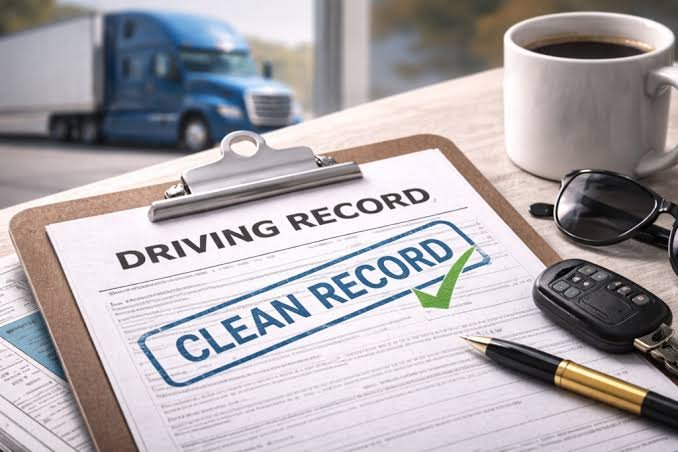
Having a clean driving record is one of the things that may help you qualify for more favorable car insurance rates. If you have never caused an accident, received a speeding ticket, or had a serious traffic violation, you might expect your insurance premium to be relatively low.
However, a clean driving history does not guarantee inexpensive car insurance.
Insurance companies consider several factors when calculating premiums. Your location, vehicle, age, coverage selections, annual mileage, insurance history, and other details can influence how much you pay.
If your car insurance seems unusually expensive despite having a good driving record, understanding these factors can help you identify possible reasons and explore ways to reduce your costs.
1. Your Location May Increase Your Insurance Premium
Where you live and regularly drive can have a significant effect on your car insurance premium.
Insurance companies evaluate local risks when determining rates. Even drivers with excellent records may pay more in areas where insurers experience higher claim costs.
Factors that may affect location-based pricing include:
- Traffic congestion
- Accident frequency
- Vehicle theft rates
- Vandalism
- Severe weather
- Road conditions
- Local repair and medical costs
- State insurance requirements
For example, a driver living in a densely populated urban area may face different insurance costs from someone living in a smaller town.
Your driving record reflects your personal history, but it does not eliminate the risks associated with your location.
2. Your Vehicle May Be Expensive to Insure
The car you drive can influence your premium, even if you have never had an accident.
Insurance companies consider the potential cost of repairing or replacing a vehicle after a covered loss.
Some vehicles may cost more to insure because they have:
- Expensive replacement parts
- Advanced sensors and technology
- Higher repair labor costs
- Expensive headlights or body components
- Greater theft risk
- Higher replacement values
- Performance features associated with increased risk
For example, repairing a modern vehicle with advanced driver-assistance systems may require specialized equipment and calibration.
Electric vehicles can also have different repair and replacement considerations, including battery-related costs.
If your car is expensive to repair or replace, your insurance premium may be higher even when your driving record is spotless.
3. You May Have More Coverage Than You Realize
The types and limits of coverage you select directly influence your car insurance costs.
A policy with higher coverage limits and additional protection generally costs more than a basic liability policy.
Your premium may include:
Liability coverage: Helps cover certain injuries and property damage you cause to others in an accident, subject to policy limits.
Collision coverage: Helps pay for damage to your vehicle after a covered collision, subject to your deductible and policy terms.
Comprehensive coverage: Helps cover certain non-collision losses, such as theft, vandalism, fire, or covered weather damage.
Uninsured and underinsured motorist coverage: May help protect you in certain accidents involving drivers who have no insurance or insufficient coverage.
Medical payments or personal injury protection: May help cover eligible medical expenses, depending on your state and policy.
You may also have rental reimbursement, roadside assistance, or other optional protections.
Review your declarations page to understand exactly what you are paying for.
For a detailed explanation of common policy protections, read: What Does Car Insurance Cover?
4. Your Age and Driving Experience Matter
A clean driving record is important, but insurers may also consider your age and how long you have been driving.
Younger drivers often face higher premiums because they have less driving experience and may fall into groups associated with higher claim frequency.
On the other hand, older drivers may also experience changes in pricing depending on their driving patterns, location, vehicle, and other underwriting factors.
A driver who has avoided accidents and violations for many years may still pay more than expected if other rating factors indicate a higher risk.
5. Your Insurance History Could Affect Your Rate
Your current premium may be influenced by more than your driving history.
Insurance providers may consider your previous insurance coverage, including whether you have maintained continuous coverage.
A recent gap in insurance may affect pricing or eligibility, depending on the provider and state.
Other factors can include:
- How long you have been insured
- Previous policy cancellations
- Lapses in coverage
- Prior claims
- Previous policy limits
- Whether you have recently changed providers
Even if you have never caused an accident, a history of coverage gaps may influence the insurance options available to you.
Maintaining continuous coverage, where possible, can help you avoid problems associated with an insurance lapse.
6. Your Credit-Based Insurance Score May Affect Your Premium
In many US states, insurers may use credit-based insurance scores as one factor in determining car insurance premiums.
These scores are different from ordinary credit scores, although they may use information from your credit history.
Depending on state law, factors related to credit history may influence insurance pricing.
However, credit-based insurance scoring is not permitted or used in the same way everywhere. Some states restrict or prohibit its use for certain insurance purposes.
If you believe your premium is affected by credit-related information, ask your provider what factors were considered and whether your state allows this practice.
7. Your Annual Mileage May Be Higher Than Expected
The more time you spend driving, the more opportunities there may be for an accident or other vehicle-related loss.
Insurance companies may ask about your estimated annual mileage when calculating premiums.
Your rate may be influenced by:
- Daily commuting distance
- Work-related driving
- Regular personal trips
- Long-distance travel
- Vehicle usage patterns
If you work remotely or drive much less than you did when you purchased your policy, your current mileage estimate may no longer be accurate.
Contact your insurer to update your annual mileage if your driving habits have changed.
Some providers also offer usage-based insurance programs that consider driving behavior or mileage, where permitted and available.
8. Your Deductible May Be Too Low for Your Budget
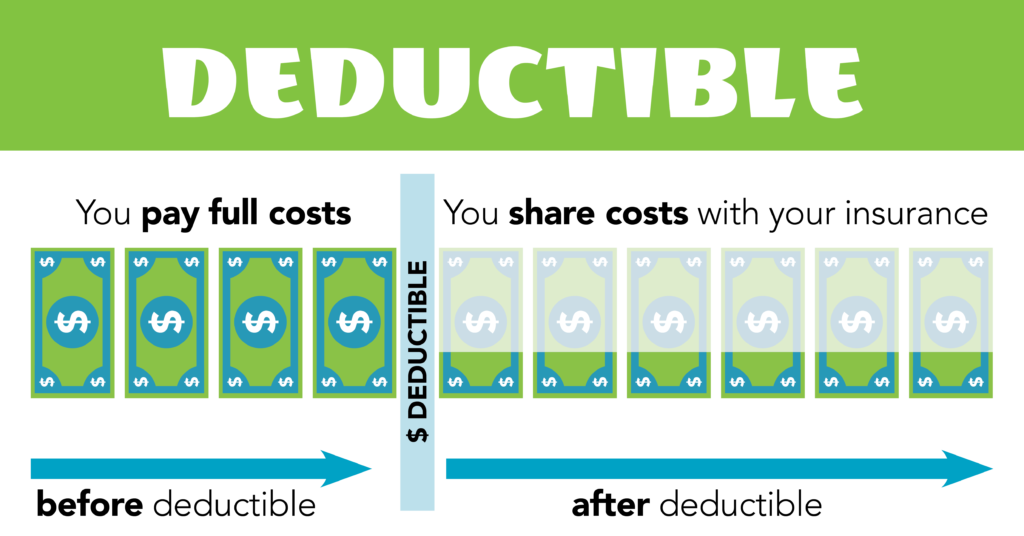
Your deductible affects the amount you pay out of pocket when making certain claims.
A lower deductible generally means the insurer takes on more of the initial financial responsibility for a covered claim. This can result in a higher premium.
For example, you might compare policies with different collision and comprehensive deductibles to see how the premium changes.
Before increasing your deductible, consider:
- Whether you have emergency savings
- How much you could afford after an accident
- The difference in annual premium
- Whether your vehicle is financed or leased
- Whether separate deductibles apply
Do not select a deductible that would create financial difficulty if you needed to file a claim.
For more details, read our guide: What Is an Insurance Deductible?
9. Your State’s Insurance Requirements May Affect Costs
Car insurance requirements differ across the United States.
Some states require certain types of coverage beyond basic bodily injury and property damage liability. Depending on where you live, you may need personal injury protection, uninsured motorist coverage, or other protections.
State-specific insurance regulations can influence:
- Required coverage types
- Minimum liability limits
- No-fault insurance requirements
- Uninsured motorist rules
- Available coverage options
- Insurance company operating costs
If you recently moved to another state, your premium may have changed because the new location has different insurance requirements and risk factors.
Make sure your policy meets your state’s current legal requirements.
10. Your Previous Claims May Still Matter
You can have a clean driving record and still have a claims history.
For example, you may have filed a comprehensive claim after your vehicle was stolen or damaged by a covered weather event.
Depending on the insurer, state regulations, and circumstances, certain claims may influence your future premium or eligibility.
Not every claim has the same effect. Some states restrict how insurers can use particular claims when calculating rates.
If your premium increased after a claim, ask your insurer whether the claim affected your renewal pricing.
11. Your Insurance Company May Have Increased Its Rates
Sometimes your premium rises even though nothing about your personal driving situation has changed.
Insurance companies may adjust rates because of broader economic and industry conditions.
Possible reasons include:
- Higher vehicle repair costs
- Increased labor expenses
- More expensive replacement parts
- Rising medical costs
- Increased claim frequency
- Severe weather losses
- Vehicle theft trends
- Changes in underwriting models
These factors can affect large groups of policyholders.
This is one reason a driver with a clean record may receive a higher renewal quote than they paid the previous year.
How to Lower Your Car Insurance Premium With a Clean Driving Record
If your premium seems too high, there are several practical steps you can take.
1. Compare Quotes From Multiple Providers
Different insurers may evaluate the same driver differently.
Compare quotes using the same coverage limits, deductibles, and optional protections. This makes it easier to determine whether another policy offers better value.
2. Ask About Available Discounts
Ask whether you qualify for discounts such as:
- Safe driver discounts
- Low-mileage discounts
- Multi-policy discounts
- Multi-vehicle discounts
- Eligible vehicle safety discounts
- Approved defensive driving course discounts
- Good student discounts, where applicable
Discount availability and requirements vary by provider and state.
3. Review Your Coverage Limits
Check whether your coverage is appropriate for your financial situation and vehicle.
Avoid reducing liability limits simply to obtain a lower premium. Inadequate liability protection could expose you to significant out-of-pocket costs after a serious accident.
4. Consider a Different Deductible
If you have sufficient emergency savings, compare premiums with different deductibles.
Calculate whether the potential annual savings justify taking on more financial responsibility after a covered claim.
5. Update Your Mileage and Vehicle Information
If you drive less than before, work from home, or have changed how you use your vehicle, update your information with your insurer.
Accurate details may help ensure your premium reflects your current circumstances.
6. Review Your Policy at Renewal
Do not automatically renew without reviewing the premium and coverage.
Check for changes in limits, deductibles, discounts, fees, and policy conditions. Compare alternatives before deciding whether to stay with your current provider.
When Should You Question a High Car Insurance Premium?
A high premium does not automatically mean your insurer has made a mistake. However, it is reasonable to ask for an explanation when:
- Your renewal premium increases significantly
- Your driving record remains clean
- Your annual mileage has decreased
- You have installed additional vehicle safety features
- Your policy information is inaccurate
- A discount you previously received has disappeared
- You receive substantially different quotes for similar coverage
Ask your insurer for a breakdown of the factors affecting your premium. This can help you understand whether the increase comes from your personal circumstances, vehicle, location, or broader pricing changes.
Frequently Asked Questions
1. Why is my car insurance so expensive if I have no accidents or tickets?
A clean driving record is only one part of insurance pricing. Your location, vehicle, age, coverage limits, annual mileage, insurance history, and other factors may also affect your premium.
2. Does a clean driving record guarantee cheaper car insurance?
No. A clean record may help you qualify for favorable pricing or discounts, but it does not guarantee the lowest rate. Other underwriting and rating factors can still increase your premium.
3. Can my car insurance increase without an accident?
Yes. Premiums can increase because of higher repair costs, medical expenses, local claim trends, severe weather losses, and changes in an insurer’s pricing.
4. Does the type of car I drive affect my insurance premium?
Yes. Vehicle value, repair costs, safety features, theft risk, and replacement expenses can all influence insurance pricing.
5. Can my credit history affect car insurance rates?
In many states, insurers may use credit-based insurance scores when permitted by law. Some states restrict or prohibit this practice, so the rules depend on where you live.
6. Will switching car insurance companies lower my premium?
It might. Different providers use different pricing methods, so comparing quotes can reveal more affordable options. Make sure the new policy offers comparable protection before switching.
7. Does driving fewer miles lower car insurance?
It may. Some insurers offer lower rates or mileage-based programs for drivers who use their vehicles less. Eligibility and savings depend on the provider and state.
8. Should I lower my coverage to make car insurance cheaper?
Only after reviewing your needs and financial risks. Reducing important coverage may save money initially but could leave you responsible for significant expenses after an accident.
9. Can I get a safe driver discount without filing any claims?
Possibly. Some insurers offer discounts based on driving history, while others consider additional factors or require participation in a specific program. Ask your provider about eligibility.
10. How often should I compare car insurance quotes?
Review your policy at least once a year, particularly before renewal. You may also want to compare options after moving, changing vehicles, reducing mileage, or experiencing a significant change in your circumstances.
Find Car Insurance Options That Fit Your Needs
Having a clean driving record is valuable, but it does not tell the whole story behind your car insurance premium.
Understanding how insurers evaluate your vehicle, location, coverage, mileage, and insurance history can help you make more informed decisions. Comparing available options and reviewing your policy regularly may help you find suitable protection at a more manageable cost.
InsuranceGuide.online offers educational insurance resources and has an authorized insurance partnership. Contact us if you would like to ask about services available through this partnership and explore options relevant to your circumstances.
Disclaimer: This article is for general educational and informational purposes only. It does not constitute legal, financial, or insurance advice. Insurance pricing, eligibility, coverage requirements, and regulations vary by state and provider. Credit-based insurance scoring is restricted or prohibited in some states. Always review your policy documents and confirm details with the relevant insurance provider or licensed professional.