A damaged roof can quickly become an expensive problem. Missing shingles, cracked flashing, fallen branches, and severe storms can allow water to enter your home and damage ceilings, walls, insulation, flooring, and personal belongings.
If you have homeowners insurance, you may wonder whether your policy will pay for roof repairs or water damage caused by a leak.
Homeowners insurance may cover roof damage when it results from a sudden, covered event, but it generally does not cover every roof leak. Damage caused by normal wear and tear, aging materials, neglect, or a lack of maintenance is commonly excluded.
The outcome depends on the cause of the damage, your policy’s wording, the condition of your roof, and any applicable deductibles or coverage limits.
This guide explains when homeowners insurance may cover roof leaks, what is commonly excluded, how to file a claim, and how to reduce the risk of costly roof damage.
Does Homeowners Insurance Cover Roof Leaks?
Sometimes. Standard homeowners insurance policies commonly cover certain types of sudden roof damage caused by covered events, such as wind or hail. If a covered event damages your roof and rain enters the home as a result, the resulting interior damage may also be covered.
However, a roof leak does not automatically qualify for insurance coverage.
For example:
- A storm blows shingles off your roof, allowing rain to enter.
- Hail damages roofing materials, leading to water intrusion.
- A tree falls on the roof during a storm and damages the structure.
- An aging roof develops a leak after years of deterioration.
The first three situations may qualify for coverage, depending on your policy and the facts. The final situation may be excluded if the leak results from ordinary wear and tear or neglected maintenance.
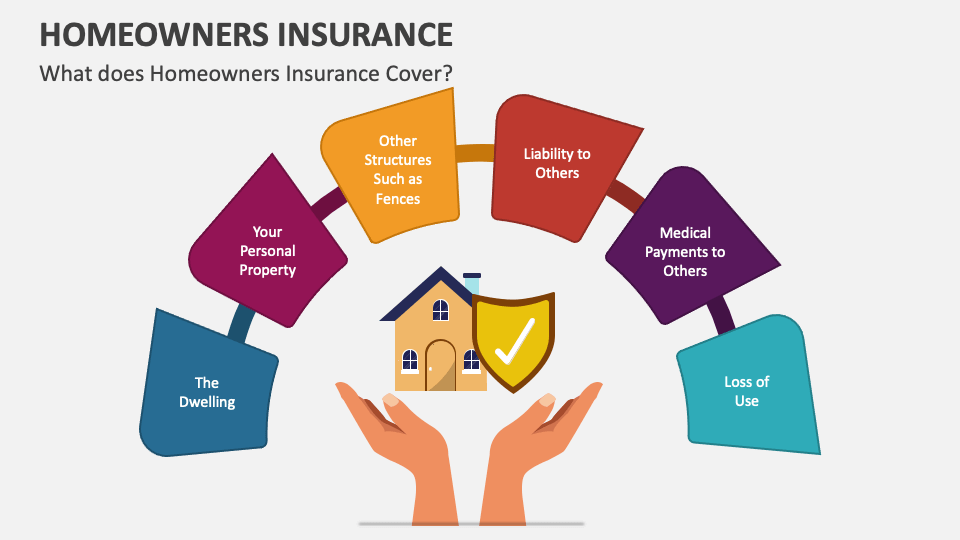
If you’re unfamiliar with the basics of homeowners insurance, read our guide on what homeowners insurance covers.
When Does Homeowners Insurance Cover Roof Damage?
The cause of the roof damage is one of the most important factors in determining whether your insurer will pay.
1. Wind and Storm Damage
Strong winds can lift shingles, damage flashing, loosen roofing materials, or expose parts of your roof to rain.
If wind damage is a covered event under your policy, your insurer may pay for eligible repairs after applying the deductible and any relevant limits.
For example, a storm removes several shingles and damages part of the roof. Rain then enters the attic and stains the ceiling. Depending on the policy, both the covered roof damage and resulting interior damage may qualify.
Some policies have special windstorm or named-storm deductibles. Review your policy to understand how these apply.
2. Hail Damage
Hail can crack shingles, damage roofing surfaces, and affect other roof components.
If hail is a covered cause of loss, homeowners insurance may pay for eligible repairs or replacement. However, the insurer may inspect the roof to distinguish storm damage from ordinary aging, cosmetic damage, or pre-existing problems.
Coverage depends on your policy’s terms and the actual condition of the roof.
3. A Tree or Falling Object Damages the Roof
A falling tree limb or other object can puncture the roof or damage its structure.
Your homeowners policy may cover the resulting damage if the incident qualifies as a covered event. Coverage for removing the tree or debris may be subject to separate conditions and limits.
For example, if a storm causes a large branch to fall onto your roof, the policy may cover eligible roof repairs and related interior damage.
If a tree falls without causing damage to insured property, payment for removing it may be limited or unavailable under your policy.
4. Sudden Roof Damage Causes Interior Water Damage
Water entering through a roof damaged by a covered event may damage ceilings, insulation, drywall, furniture, and other belongings.
In some circumstances, your homeowners insurance may cover both the damaged roof and the resulting water damage inside the home.
However, if rain enters through an old, deteriorated roof that has not been maintained, coverage may be denied or limited.
Insurers evaluate the cause of the leak and the policy language rather than simply whether water entered the home.
For more details about water-related losses, see our guide on whether homeowners insurance covers water damage.
When Does Homeowners Insurance Not Cover Roof Leaks?
Several common causes of roof leaks are generally excluded from standard homeowners insurance.
1. Normal Wear and Tear
Roofing materials deteriorate over time. Shingles can become brittle, flashing can loosen, and seals can weaken as a roof ages.
Homeowners insurance generally does not pay to replace a roof simply because it has reached the end of its useful life.
For example, if an old roof develops a leak because its materials have gradually deteriorated, the repair may be considered a maintenance expense rather than a covered loss.
2. Lack of Maintenance
Homeowners are generally expected to maintain their property and address known problems.
Examples include:
- Ignoring missing or damaged shingles.
- Failing to repair a known roof leak.
- Allowing flashing to deteriorate without repair.
- Neglecting gutters or drainage systems when this contributes to damage.
If poor maintenance contributes to the loss, your insurer may deny some or all of the claim, depending on the policy and circumstances.
3. Long-Term or Gradual Leaks
A roof leak that develops slowly over months or years may not be covered, especially if the damage results from gradual deterioration or repeated water intrusion.
For example, a small leak around a vent may gradually damage attic insulation and ceiling drywall. If the damage is linked to a long-standing maintenance problem, the insurer may exclude it.
Some policies may treat hidden damage differently, so review your policy rather than assuming that every leak is automatically excluded.
4. Flooding and Groundwater
Standard homeowners insurance generally does not cover flood damage as defined by the policy. Water entering the home from outside may require separate flood insurance.
Flood coverage is different from coverage for rain entering through a roof damaged by a covered storm. The source and path of the water matter.
5. Defective Materials or Poor Workmanship
Roof damage caused by faulty installation, defective materials, or poor workmanship may be excluded or limited under your policy.
However, the insurer may treat resulting damage differently from the cost of correcting the original defect. The precise outcome depends on the policy wording and circumstances.
If a newly installed roof develops a problem, you may also need to review any contractor warranty or manufacturer warranty.
Does Homeowners Insurance Cover Ceiling Damage From a Roof Leak?
It may, depending on what caused the leak.
If a covered storm damages the roof and rainwater subsequently damages the ceiling, your policy may cover eligible repairs to both areas.
If the ceiling damage results from a long-term leak, neglected maintenance, or ordinary deterioration, coverage may be denied or limited.
Your insurer may inspect both the roof and interior to establish the cause and extent of the damage.
When documenting a ceiling leak, take photos of water stains, peeling paint, damaged drywall, and affected belongings. Do not enter an unsafe attic or touch a ceiling that appears unstable.
Does Homeowners Insurance Pay to Replace the Entire Roof?
Not always. Whether the insurer pays for a repair or full replacement depends on the extent of the damage, the policy, and the applicable settlement terms.
If only a small area of the roof has covered damage, the insurer may approve repairs rather than replacement of the entire roof.
If the covered damage is extensive, full replacement may be considered necessary. Local building requirements and matching or repair provisions may also affect the settlement, depending on the policy and jurisdiction.
Your insurer may calculate payment using one of two common approaches.
Replacement Cost Value
Replacement cost coverage generally pays the covered cost of repairing or replacing damaged property with comparable materials, subject to policy conditions, deductibles, and limits. It generally does not subtract depreciation from the covered replacement cost in the same way as actual cash value coverage.
Some policies initially issue partial payment and release recoverable depreciation after eligible repairs are completed and documented.
Actual Cash Value
Actual cash value coverage generally takes depreciation into account when calculating the value of damaged property.
As a result, the payment for an older roof may be lower than the cost of installing a new one.
Policy definitions vary, so read the settlement provisions carefully. For a fuller explanation, see our future guide on Actual Cash Value vs. Replacement Cost: What’s the Difference?
How Much Does Homeowners Insurance Pay for Roof Damage?
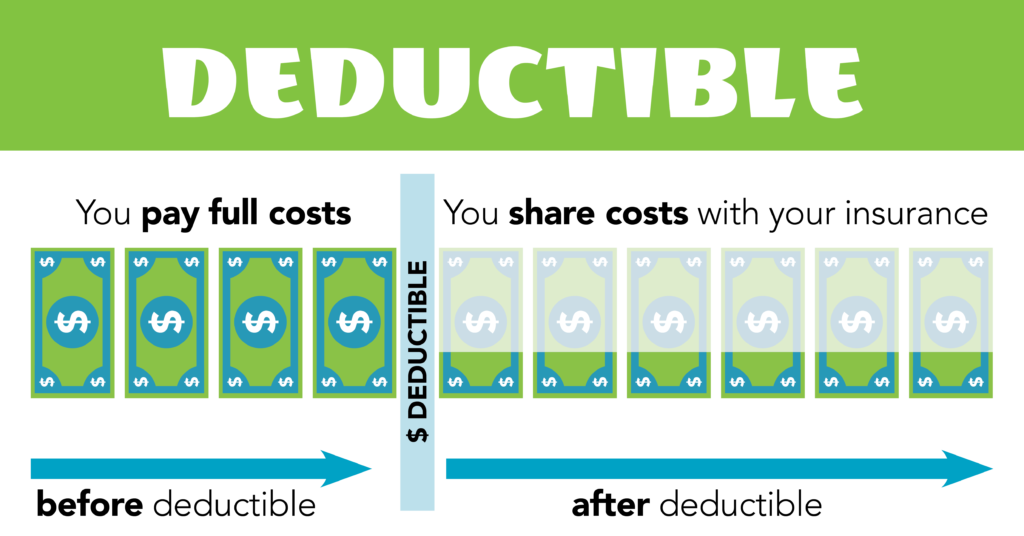
There is no single payment amount for every roof claim. Your settlement depends on the cost of covered repairs, your deductible, the policy’s limits, and how the damaged roof is valued.
Consider this simplified example:
| Item | Amount |
|---|---|
| Eligible covered roof repairs | $12,000 |
| Applicable deductible | $1,000 |
| Estimated insurer payment | $11,000 |
This example assumes the full repair cost is covered and no depreciation, special deductible, sublimit, or other adjustment applies.
If your policy uses actual cash value for the roof, or has a separate wind or hail deductible, the actual payment may be substantially different.
Learn more in our guide to what an insurance deductible is.
What Should You Do if Your Roof Starts Leaking?
Taking prompt action can help protect your home and support your insurance claim.
Step 1: Protect Everyone in the Home
Stay away from sagging ceilings, exposed electrical wiring, and other hazards. If water is near electrical equipment, avoid the affected area and seek qualified assistance.
Step 2: Limit Further Damage When Safe
If you can do so safely, move belongings away from the leak and use containers to catch dripping water.
Arrange emergency roof protection or temporary repairs when necessary. Do not climb onto a wet or storm-damaged roof yourself.
Keep receipts for reasonable emergency expenses. Your policy may require you to take reasonable steps to prevent further damage.
Step 3: Document the Damage
Take photos and videos of visible damage to the roof, ceiling, walls, flooring, and belongings, provided it is safe.
Write down when you noticed the leak and any relevant details about recent storms or other events.
Do not remove damaged materials unnecessarily before documenting them, unless immediate action is required for safety or to prevent additional damage.
Step 4: Contact Your Insurance Company
Report the damage promptly and ask whether the insurer needs to inspect the roof before permanent repairs begin.
Record your claim number and save communications with your adjuster.
Step 5: Get Repair Estimates
Ask qualified roofing contractors to inspect the roof and provide written estimates.
Compare the estimates with the insurer’s assessment. If the estimates differ, ask the adjuster to explain the difference and whether additional documentation is needed.
Step 6: Review the Settlement
Check the approved repair scope, deductible, depreciation, and applicable limits before committing to major work.
For a complete explanation of the process, read how an insurance claim works.
Can You File a Roof Damage Claim if Your Roof Is Old?
Yes, you can generally report roof damage even if the roof is old. However, the age and condition of the roof may affect coverage and payment.
An insurer may distinguish between:
- New damage caused by a covered storm.
- Pre-existing damage that existed before the storm.
- Gradual deterioration from age or weather exposure.
- Damage resulting from poor maintenance.
For example, an old roof may still qualify for payment if a covered event causes identifiable damage. However, the insurer may not pay to replace unrelated worn-out sections.
The policy’s valuation method is also important. An actual cash value provision may reduce the payment because of depreciation, while replacement cost coverage may have different settlement requirements.
How Can You Prevent Roof Leaks?
Regular maintenance can help identify roof problems before they cause extensive interior damage.
Consider these steps:
- Inspect the roof periodically from a safe location.
- Replace damaged or missing shingles promptly.
- Keep gutters and downspouts clear.
- Check visible flashing around chimneys, vents, and skylights.
- Trim branches that could fall onto the roof.
- Look for water stains in ceilings and attic areas.
- Arrange a professional inspection when you notice warning signs.
- Review your policy’s roof coverage and deductible provisions.
Preventive maintenance cannot eliminate every risk, but it may reduce avoidable damage and help you identify problems early.
Frequently Asked Questions
Does homeowners insurance cover a leaking roof during heavy rain?
It may if a covered event, such as wind or hail, damages the roof and allows rain to enter. A leak caused by deterioration or a lack of maintenance may be excluded.
Does homeowners insurance cover roof replacement after a storm?
It may cover roof replacement if a covered storm causes sufficient damage to make replacement necessary under the policy. The insurer will assess the damage, deductible, settlement method, and applicable limits.
Does insurance cover roof leaks caused by old shingles?
Usually, damage caused solely by normal aging or wear and tear is excluded. However, a separate covered event may cause damage to an older roof, so the circumstances and policy terms matter.
Will homeowners insurance cover mold from a roof leak?
Possibly. Mold resulting from a covered water loss may be covered under certain policies, but exclusions, special limits, and requirements to prevent further damage can apply.
Should I repair my roof before the insurance adjuster visits?
You should take reasonable emergency measures to prevent additional damage, but ask your insurer whether an inspection is needed before permanent repairs begin. Document the damage first when safe and keep receipts for temporary work.
Can my insurance company deny a roof damage claim?
Yes. A claim may be denied if the damage is excluded, results from deterioration or neglect, or otherwise does not qualify under the policy. If you disagree with the decision, request a written explanation and review the available complaint or appeal options.
Final Thoughts
Homeowners insurance may cover roof leaks and roof damage caused by covered events such as certain storms, hail, or falling objects. However, it generally does not pay for routine maintenance or damage caused solely by aging and deterioration.
The most important factor is the cause of the damage. Document the problem, take reasonable steps to prevent further loss, notify your insurer promptly, and review the policy before assuming that repairs or replacement will be paid.
Understanding your roof coverage and deductible before a storm occurs can help you make better decisions when damage happens.
Disclaimer: This article is for general educational purposes only and does not constitute insurance, legal, or financial advice. Coverage depends on the policy, insurer, location, cause of damage, roof condition, and applicable exclusions. Review your policy documents and consult your insurer or a qualified professional about your circumstances.