Water damage can cause serious problems for homeowners. A flooded basement, damaged flooring, ruined furniture, or water entering through doors and windows can lead to expensive repairs.
However, many homeowners misunderstand how their insurance policies handle flood damage. They assume that standard homeowners insurance protects them against every type of water-related incident. Unfortunately, that is not always the case.
In the United States, standard homeowners insurance generally does not cover damage caused by flooding. Separate flood insurance may be necessary to protect your home and belongings against rising or overflowing water.
Understanding the difference between flood insurance and homeowners insurance can help you identify coverage gaps before a disaster occurs.
In this guide, we explain what each policy generally covers, when separate flood protection may be necessary, and how to determine which coverage may be appropriate for your property.
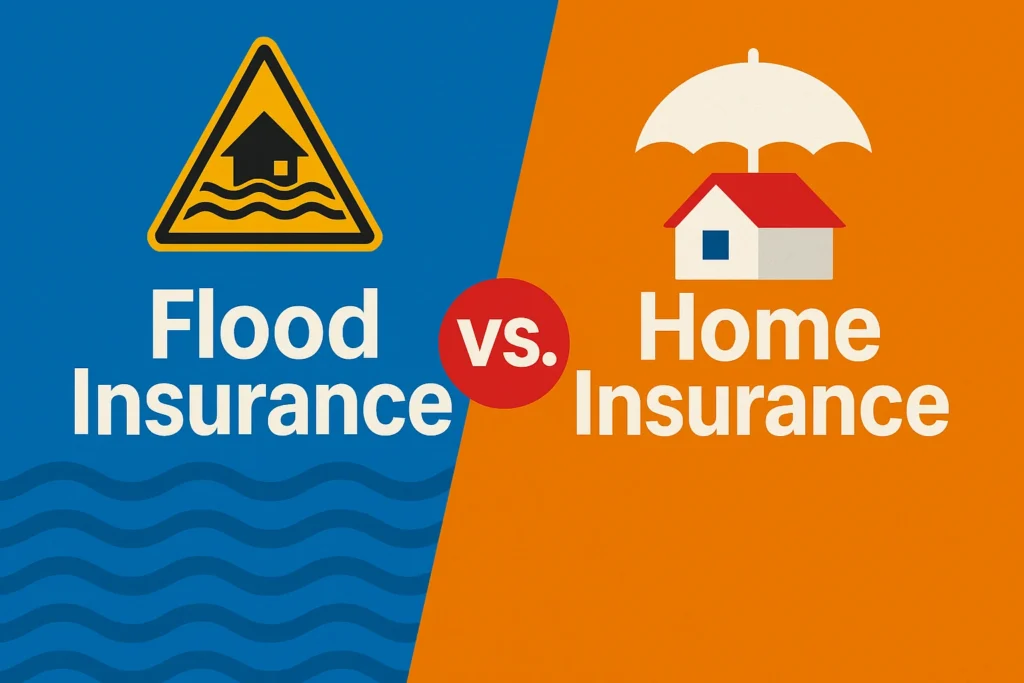
What Is the Difference Between Flood Insurance and Homeowners Insurance?
Homeowners insurance and flood insurance are designed to protect against different types of risks.
Homeowners insurance generally protects your house, belongings, and personal liability against certain covered events listed in your policy. These may include fire, theft, certain wind damage, and some types of sudden accidental water damage.
Flood insurance is designed to cover qualifying flood damage to an insured building and, depending on the policy, its contents.
For example, if a pipe suddenly bursts inside your house and damages your flooring, your homeowners policy may cover the resulting damage, subject to its terms and exclusions.
However, if heavy rainfall causes water to accumulate outside and enter your home, that event may be classified as flooding and generally requires separate flood insurance.
The actual outcome depends on the source of water, policy definitions, and applicable exclusions.
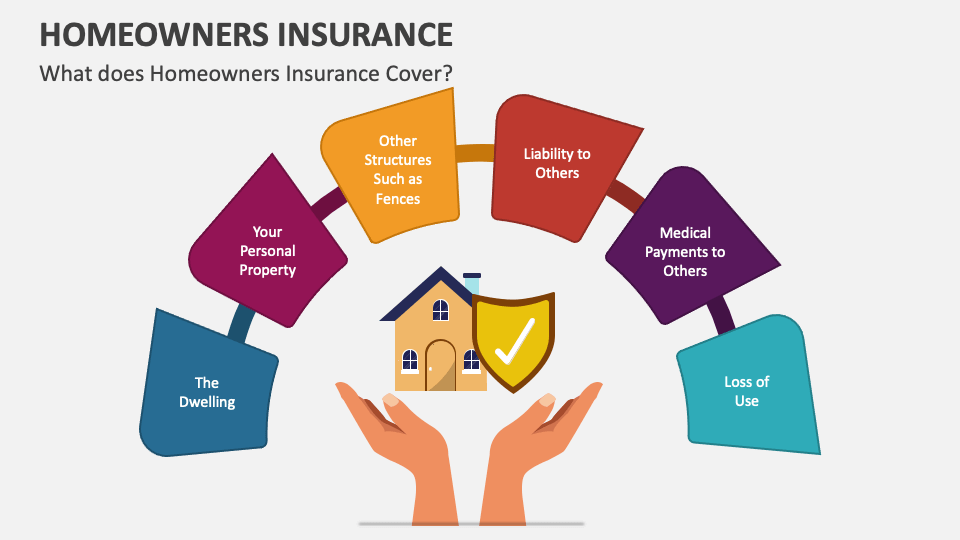
What Does Homeowners Insurance Cover?
A standard homeowners policy may provide several types of protection.
1. Dwelling coverage
Dwelling coverage protects the insured structure of your home against covered losses.
Depending on the policy, this may include:
- Walls and ceilings.
- Roof and structural components.
- Built-in cabinets.
- Permanently installed fixtures.
- Certain attached structures.
For example, if a covered storm damages your roof, your homeowners policy may help pay for eligible repairs.
However, if rising floodwater damages the same roof or enters the structure, the damage may be excluded under a standard policy.
2. Personal property coverage
Personal property coverage may protect belongings inside your home against covered events.
Examples include:
- Furniture.
- Clothing.
- Electronics.
- Household appliances.
- Certain personal valuables.
Coverage limits and exclusions apply. Expensive belongings may also have special limits under your policy.
Importantly, standard homeowners insurance generally does not cover personal belongings damaged by flooding.
3. Personal liability coverage
Personal liability protection may help cover certain legal claims if you are held responsible for accidental injury to another person or damage to someone else’s property.
For example, a visitor who slips and gets injured on your property may make a claim against you.
This coverage is separate from protection for physical flood damage to your home.
4. Additional living expenses
If a covered loss makes your home uninhabitable, your homeowners policy may help pay eligible additional living expenses, such as temporary accommodation and certain increased living costs.
However, if flooding is the cause of the damage and is excluded from your homeowners policy, you should not assume that this coverage will apply.
For a complete explanation of standard homeowners coverage, read our guide: What Does Homeowners Insurance Cover?.
What Does Flood Insurance Cover?
Flood insurance generally provides protection against qualifying damage caused by flooding, subject to the policy’s definitions, limits, exclusions, and conditions.
In the United States, homeowners may obtain flood insurance through the National Flood Insurance Program (NFIP), administered by FEMA, or through private flood insurance providers.
1. Damage to the building
An NFIP building policy may cover eligible parts of an insured residential property, including:
- The building’s foundation.
- Electrical and plumbing systems.
- Certain heating and cooling equipment.
- Water heaters.
- Permanently installed cabinets.
- Certain built-in appliances.
- Structural components covered under the policy.
The exact coverage depends on the building type and policy requirements.
2. Damage to personal belongings
Flood insurance may also cover eligible personal belongings through separate contents coverage.
Depending on the policy, covered items may include:
- Clothing.
- Furniture.
- Certain electronic equipment.
- Portable appliances.
- Other eligible household belongings.
NFIP contents coverage has specific restrictions, including limitations on certain items and property stored in basements.
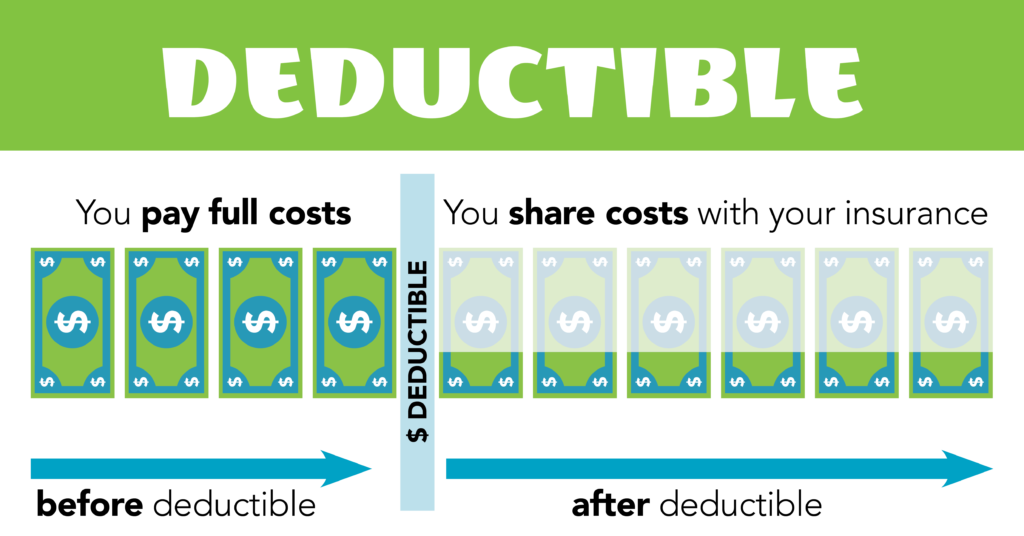
Building and contents coverage may have separate limits and deductibles. Buying one does not automatically mean you have the other.
3. Basement-related coverage
Basements require particular attention when purchasing flood insurance.
Some building equipment and specific items may qualify for coverage under an NFIP policy, but coverage for basement contents is limited.
Items such as finished walls, flooring, furniture, and personal belongings stored in a basement may not be covered in the same way as property located on upper floors.
Review the policy carefully if your home has a finished basement or stores valuable equipment below ground level.
What Is Considered Flooding?
Flood insurance policies use specific definitions of flooding.
Under the NFIP, a qualifying flood generally involves a temporary condition of partial or complete inundation of normally dry land affecting at least two acres or two properties, one of which must be the policyholder’s property.
This definition is important because not every water-related incident qualifies as a flood.
Examples of situations that may qualify include:
- Overflowing rivers or streams.
- Heavy rainfall causing widespread surface water accumulation.
- Coastal flooding from storm surge.
- Rapid accumulation of runoff in normally dry areas.
- Certain mudflow events that meet the policy definition.
The source and circumstances of the water are important when determining whether a claim falls under flood insurance or homeowners insurance.
Common Water Damage Situations: Which Policy Applies?
Understanding the difference becomes easier when looking at real-life examples.
| Situation | Possible insurance coverage |
|---|---|
| A pipe suddenly bursts inside the home | Homeowners insurance, subject to policy terms |
| A river overflows and water enters the house | Flood insurance |
| Heavy rain causes qualifying surface flooding | Flood insurance |
| A washing machine suddenly leaks | Homeowners insurance may apply |
| A sewer backs up into the basement | Specific endorsement or separate coverage may be needed |
| A roof leaks because of a covered storm event | Homeowners insurance may apply |
| Groundwater enters through the foundation | Often excluded under standard homeowners coverage; flood policy terms must be checked |
These are general examples, not guaranteed claim outcomes. The exact cause of damage and the wording of your policy determine whether a claim is covered.
You can also read our guide on how much homeowners insurance costs in the US to understand how location and property characteristics influence premiums.
Do You Need Flood Insurance If You Are Not in a High-Risk Flood Zone?
Yes, you may still want flood insurance even if your property is not located in a high-risk flood area.
Flooding can occur in locations that have not experienced major floods before. Heavy rainfall, drainage problems, overflowing waterways, and changing weather patterns can create risks in unexpected places.
FEMA’s flood maps are useful for understanding a property’s mapped flood risk, but they do not guarantee that a property outside a high-risk area will never experience flooding.
Some homeowners purchase flood insurance voluntarily because they want additional financial protection.
Also, a federally regulated or federally insured mortgage on a property in a designated Special Flood Hazard Area generally triggers a flood insurance requirement. Other lenders may impose their own requirements.
How Much Does Flood Insurance Cost?
Flood insurance premiums vary depending on several factors.
These may include:
- Property location.
- Flood risk and elevation.
- Building characteristics.
- Foundation type.
- Coverage limits.
- Deductible.
- Policy type and provider.
NFIP policies use FEMA’s Risk Rating 2.0 pricing methodology, which evaluates individual property characteristics and flood risk rather than relying solely on older flood zone categories.
Private flood insurance providers may use different underwriting and pricing methods.
Because premiums can vary considerably, homeowners should compare available coverage, exclusions, limits, and deductibles rather than selecting a policy based only on price.
How Can You Check Whether Your Home Needs Flood Insurance?
Before deciding whether to purchase flood coverage, consider the following steps.
1. Check your property’s flood risk
Use FEMA’s Flood Map Service Center to review the flood hazard information for your property.
Official resource: FEMA Flood Map Service Center.
Remember that a map is a risk assessment tool, not a guarantee that flooding will or will not occur.
2. Review your current homeowners policy
Read the water damage exclusions carefully.
Check whether your policy covers sudden plumbing leaks, accidental appliance leaks, sewer backups, or other water-related events.
Do not assume that all water damage is treated the same way.
3. Compare flood insurance options
You can investigate NFIP coverage and private flood insurance options where available.
Compare building coverage, contents coverage, deductibles, waiting periods, exclusions, and maximum limits.
4. Consider your financial exposure
Think about the cost of repairing your property and replacing your belongings if flooding occurs.
If you could not comfortably pay for these expenses yourself, separate flood coverage may be worth considering.
When Should You Purchase Flood Insurance?
It is better to explore flood insurance before severe weather is approaching.
NFIP policies generally have a 30-day waiting period before coverage becomes effective, although exceptions apply in certain circumstances, such as some mortgage-related purchases.
Private flood insurance may have different waiting periods and conditions.
If you wait until a storm is approaching or flooding is already occurring, you may not be able to obtain immediate protection.
Review the effective date and waiting period before relying on any new policy.
Frequently Asked Questions
1. Does homeowners insurance cover flood damage?
Standard homeowners insurance generally does not cover damage caused by flooding, such as rising water entering a property from outside. Separate flood insurance is usually needed for this type of protection.
2. What is the difference between flood insurance and water damage coverage?
Water damage coverage under homeowners insurance may apply to certain sudden and accidental events, such as a covered plumbing failure. Flood insurance is designed for qualifying flood events involving rising or overflowing water. The source of the water and policy definitions determine coverage.
3. Do I need flood insurance if I live outside a flood zone?
You may still benefit from flood insurance outside a high-risk flood zone. Flooding can happen in many areas, and mapped risk categories do not eliminate the possibility of damage.
4. Does flood insurance cover furniture and electronics?
Contents coverage may protect eligible belongings damaged by flooding. However, coverage is subject to limits, exclusions, and specific rules about where items are stored. NFIP policies have particular restrictions for basement contents.
5. Is flood insurance required for every homeowner?
No. Flood insurance is not legally required for every homeowner. However, certain federally related mortgages on properties in designated high-risk flood areas require flood insurance. Lenders may also impose additional requirements.
6. Does flood insurance cover basement flooding?
It may cover certain eligible building components and equipment in a basement, but coverage for finished walls, flooring, furniture, and personal belongings is limited under NFIP rules. Always review the policy details.
7. How long does it take for flood insurance to become active?
Many NFIP policies have a 30-day waiting period, although exceptions exist. Private policies may have different waiting periods. Check the effective date and applicable conditions before purchasing.
8. Can I buy flood insurance after a flood warning is announced?
You may be able to apply for a policy, but coverage will not necessarily begin immediately. Waiting periods and eligibility requirements may prevent protection for an approaching event.
Need Help Understanding Your Home Insurance Options?
Understanding the difference between homeowners insurance and flood insurance can help you avoid unexpected financial problems.
InsuranceGuide.online provides educational information to help homeowners understand coverage options and make informed insurance decisions.
If you need assistance exploring available insurance options, use our contact or support channel to ask about the services available through our authorized insurance partnership.
Before purchasing coverage, review the actual policy terms, limits, exclusions, deductibles, and effective date with the relevant insurance provider.