Homeowners insurance helps protect one of the biggest financial investments many people make: their home. However, the cost of coverage can vary significantly depending on where you live, the age and condition of your property, the amount of insurance you need, and the risks associated with your location.
If you are buying a house, renewing an existing policy, or looking for a more affordable option, understanding how homeowners insurance premiums work can help you make a better decision.
In this guide, we explain the factors that affect home insurance costs, what your premium typically pays for, how deductibles influence your price, and practical ways to compare policies without sacrificing important protection.
How Much Does Homeowners Insurance Cost?
There is no single price that applies to every homeowner in the United States. Two people living in similar houses can receive very different premiums because insurers evaluate location, property characteristics, coverage limits, claims history, and other rating factors differently.
For a useful comparison, look at quotes based on the same:
- Dwelling coverage limit.
- Personal property and liability limits.
- Deductible amounts.
- Optional endorsements and exclusions.
- Policy term and payment arrangements.
An inexpensive policy is not necessarily the best value if it provides substantially less protection.
When researching costs, make sure you distinguish between a national average, a state average, and a quote calculated for your particular home. Published averages can provide context, but they cannot reliably predict what an individual household will pay.
What Factors Affect Homeowners Insurance Costs?
Insurers consider several characteristics when calculating a homeowners insurance premium. The importance of each factor varies by company and state.
1. Your home’s location
Location is one of the most important factors in home insurance pricing.
A home in an area exposed to hurricanes, wildfires, hail, severe storms, or other costly events may be more expensive to insure than a comparable property in a lower-risk area. Local construction costs, emergency services, and the frequency of insurance claims can also affect premiums.
For example, a homeowner in a coastal area may face different windstorm risks from someone living inland. Similarly, properties in wildfire-prone regions may face higher premiums, limited availability, or additional underwriting requirements.
2. The cost to rebuild your home
Your home’s market value is not the same as its rebuilding cost.
Market value includes factors such as land value and local housing demand. Dwelling coverage, by contrast, is generally designed around the estimated cost of repairing or rebuilding the insured structure after a covered loss.
Rebuilding costs may depend on:
- The home’s size and layout.
- Construction materials and finishes.
- Local labor and contractor prices.
- Specialized architectural features.
- Debris removal and applicable building requirements.
A large home with custom finishes may cost more to rebuild than a smaller home with standard materials, even if their market values are similar.
Review your dwelling coverage periodically, especially after major renovations or significant changes in local construction costs.
3. Your home’s age and condition
Older homes may cost more to insure when they have outdated electrical systems, aging plumbing, an old roof, or other features that increase the likelihood or severity of damage.
Some insurers may require repairs before offering coverage. Others may impose restrictions or have specific eligibility requirements for older properties.
Keeping maintenance records and addressing known problems can help demonstrate the condition of your home when applying for coverage.
4. Your coverage limits
Your premium is influenced by how much protection your policy provides.
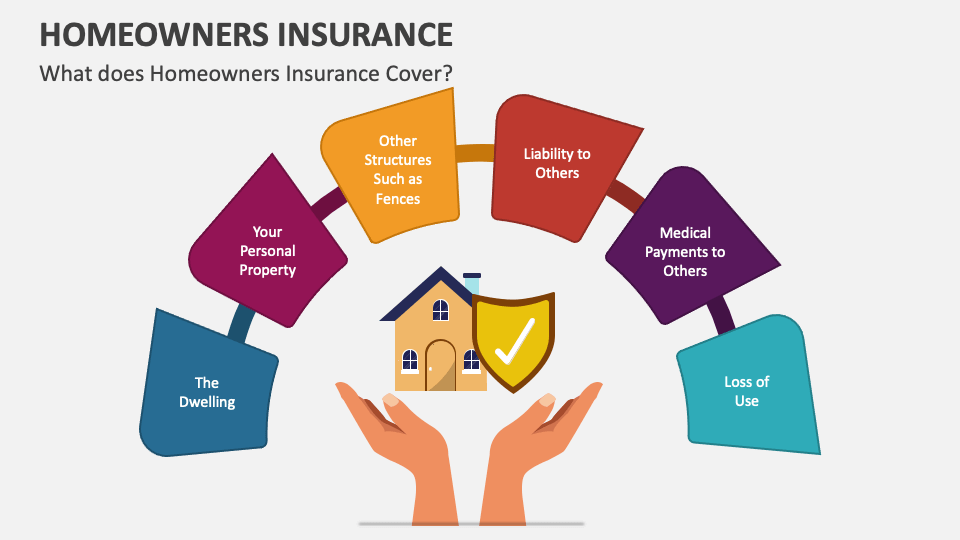
Common homeowners insurance protections include:
- Dwelling coverage: Protection for the insured home’s structure against covered losses.
- Other structures: Coverage that may apply to detached garages, sheds, and fences.
- Personal property: Protection for eligible belongings, subject to policy limits and exclusions.
- Personal liability: Protection against certain covered claims involving injury or property damage to others.
- Additional living expenses: Help with eligible extra living costs if a covered loss makes your home uninhabitable.
Higher limits generally increase premiums, although the exact effect depends on the insurer and policy.
For a detailed explanation of these protections, read our guide on what homeowners insurance covers.
5. Your deductible
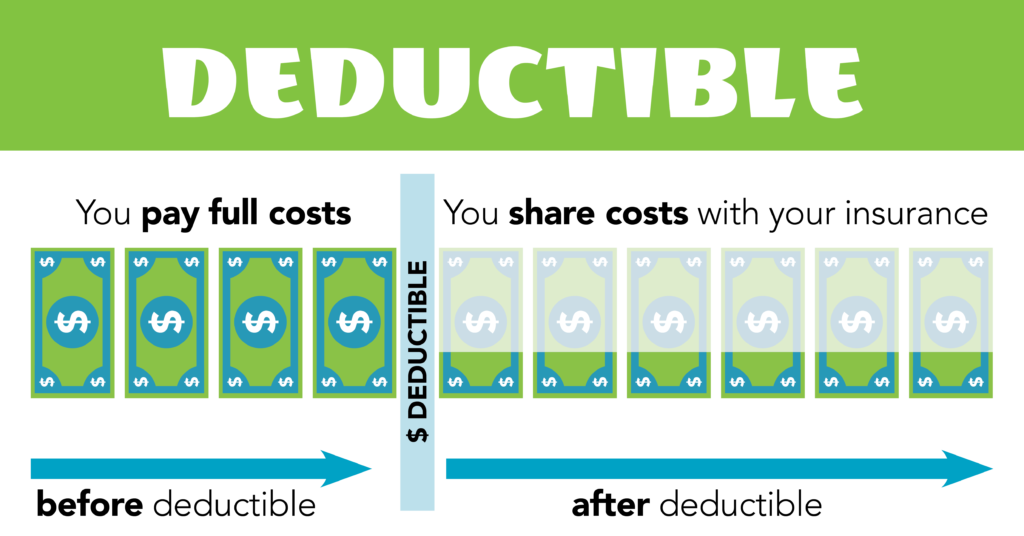
A deductible is the amount you are responsible for paying toward a covered claim before the insurer pays the eligible remaining amount, subject to the policy terms.
For example, suppose you have a covered claim totaling $8,000 in eligible repairs and a $1,000 deductible. If the policy covers the full eligible loss beyond the deductible, the insurer would pay $7,000.
Choosing a higher deductible may reduce your premium. However, you must be able to afford the amount you would pay after a loss.
Some policies also have separate deductibles for specific events, such as wind or hail damage. Percentage-based deductibles can be particularly important because they may be calculated using the insured dwelling limit rather than the repair bill.
Learn more in our guide to what an insurance deductible is. Before publishing that link, confirm the slug matches your live Blog #3 URL.
6. Your claims history
Previous insurance claims can affect the price or availability of coverage, depending on the type of claim, the insurer’s underwriting rules, and applicable state law.
A claim does not automatically mean your premium will increase. However, insurers may consider claims history when evaluating risk.
Make sure any information used in an insurance application is accurate. If you believe your claims record contains an error, ask the relevant insurer or reporting organization how to correct it.
7. Your home’s protective features
Certain safety and protective features may help you qualify for discounts, depending on the insurer.
Examples include:
- Monitored burglar alarms.
- Smoke detectors and fire alarms.
- Approved security systems.
- Certain storm-resistant improvements.
- Updated electrical or plumbing systems.
Do not assume that every improvement will qualify for a discount. Ask the insurer which features are recognized and whether documentation or professional installation is required.
Why Is Homeowners Insurance So Expensive in Some States?
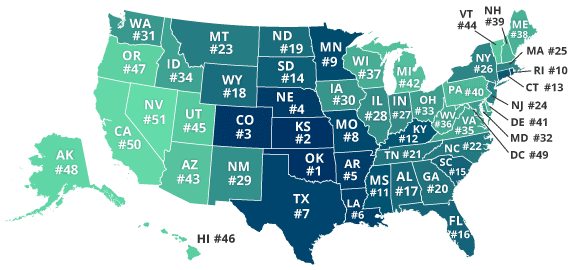
Home insurance premiums can differ substantially from one state to another because the risks and costs associated with property damage are not uniform.
Several conditions can contribute to higher prices.
Severe weather: Hurricanes, windstorms, hail, and other damaging events can generate large numbers of claims.
Wildfire exposure: Properties in high-risk areas may face higher costs or fewer available coverage options.
Construction expenses: Higher labor and building material costs can increase the amount insurers may need to pay after a major loss.
Reinsurance and insurer expenses: Insurance companies also consider the cost of transferring some of their own risk and the expenses associated with operating their businesses.
Insurance market conditions: In some regions, insurers may restrict new business, change underwriting rules, or adjust premiums in response to claims and risk projections.
These factors help explain why a price advertised nationally may be very different from the quotes available for your home.
How Can You Lower Your Homeowners Insurance Premium?
You may be able to reduce your premium without giving up essential coverage. The best approach is to compare the total protection offered by each policy rather than choosing solely on price.
Compare multiple insurance quotes
Request quotes from several insurers where available. Provide consistent information about your home and compare the same coverage limits, deductibles, and endorsements.
Review exclusions and special limits carefully. A lower premium may reflect narrower coverage rather than a better deal.
Ask about available discounts
Ask insurers whether you qualify for discounts related to security systems, protective devices, multiple policies, claims-free history, or other eligible factors.
Discounts vary by company and state, so verify the actual savings offered to you.
Choose a deductible you can afford
A higher deductible may reduce your premium, but it also increases your out-of-pocket responsibility when a covered loss occurs.
Choose an amount you could realistically pay without creating financial hardship.
Review your coverage limits
Check whether your dwelling limit reflects a reasonable estimate of rebuilding costs. Avoid reducing necessary coverage simply to make the policy cheaper.
Also review your personal property, liability, and additional living expense limits to make sure they suit your circumstances.
Improve home maintenance and safety
Addressing roof problems, repairing faulty wiring, maintaining plumbing, and installing eligible protective devices may help reduce risk. Certain improvements may also qualify for discounts.
Confirm any insurer requirements before paying for an upgrade specifically to lower your premium.
Review your policy at renewal
When your policy renews, compare the new premium with your previous one. Ask the insurer to explain significant increases and whether alternative coverage options are available.
If you switch providers, make sure the new policy is active before the existing coverage ends.
Is the Cheapest Homeowners Insurance Policy the Best Choice?
Not necessarily.
A low-priced policy may have higher deductibles, lower coverage limits, more exclusions, or restrictions that matter when you need to make a claim.
Before selecting a policy, consider:
- Whether the dwelling limit is adequate for rebuilding.
- Whether your personal belongings are protected to the extent you need.
- Whether liability coverage meets your needs.
- Whether wind, hail, water damage, and other relevant risks are covered or excluded.
- Whether you can afford the deductibles.
- Whether the insurer explains its policy terms and claims process clearly.
You should also check whether flood insurance is needed separately. Standard homeowners insurance generally does not cover flood damage, although coverage depends on the precise policy wording and cause of loss.
When Should You Review Your Home Insurance?
It is sensible to review your policy at renewal and after major changes to your home or circumstances.
Consider reviewing coverage when:
- You buy a new property.
- You add a room or complete a major renovation.
- You install expensive equipment or purchase valuable belongings.
- Local rebuilding costs change significantly.
- You install a security system or make other protective improvements.
- Your insurer raises your premium or changes your policy terms.
Keeping your policy current can help reduce the risk of discovering an important coverage gap after a loss.
Frequently Asked Questions
1. What is the average cost of homeowners insurance in the US?
The average varies by data source, state, coverage limits, deductible, and the type of property being insured. National averages are useful for general research, but a personalized quote is a better way to estimate your own premium.
2. What is the biggest factor affecting home insurance costs?
Location and the cost of rebuilding the home are major considerations. The insurer may also evaluate weather exposure, property condition, coverage limits, deductibles, and claims history.
3. Does homeowners insurance cost more for older homes?
It can. Older homes may have outdated systems or materials that increase repair costs and the likelihood of damage. However, age alone does not determine the price; condition, renovations, location, and insurer requirements also matter.
4. Can I lower my home insurance premium by increasing my deductible?
Often, yes. A higher deductible may lower your premium, but it increases the amount you pay toward a covered claim. Compare the potential savings with the additional out-of-pocket cost.
5. Does homeowners insurance cover flooding?
Standard homeowners policies generally exclude flood damage caused by rising or overflowing water. Separate flood insurance may be available through the National Flood Insurance Program or private insurers, subject to eligibility and policy terms.
6. Will filing a home insurance claim increase my premium?
It may, but an increase is not automatic. The outcome depends on the insurer, the claim, your claims history, and state rules. Ask your insurer how a particular claim may affect your policy.
7. Can I change homeowners insurance companies at any time?
In many cases, you can change insurers before your policy expires, subject to the policy terms and applicable requirements. Make sure replacement coverage is active before canceling the existing policy, and check for any applicable fees or refund conditions.
8. How often should I compare home insurance quotes?
Review your coverage at least at renewal and consider comparing quotes when your premium rises significantly or your circumstances change. Compare equivalent coverage rather than price alone.
Need Help Understanding Your Home Insurance Options?
Choosing home insurance can be confusing when premiums, deductibles, exclusions, and coverage limits differ between policies.
InsuranceGuide.online provides educational information to help readers understand home insurance and make informed decisions. If you need assistance exploring insurance options, use our available contact or support channel to ask about the services offered through our authorized insurance partnership.
Before selecting a policy, review the actual terms, coverage limits, deductibles, and exclusions applicable to your situation.
Disclaimer: This article is for general educational purposes and is not a substitute for an insurance policy, personalized quote, or professional advice. Coverage availability, pricing, exclusions, and requirements vary by insurer, property, and state. Confirm all details with the relevant insurance provider before making a decision.