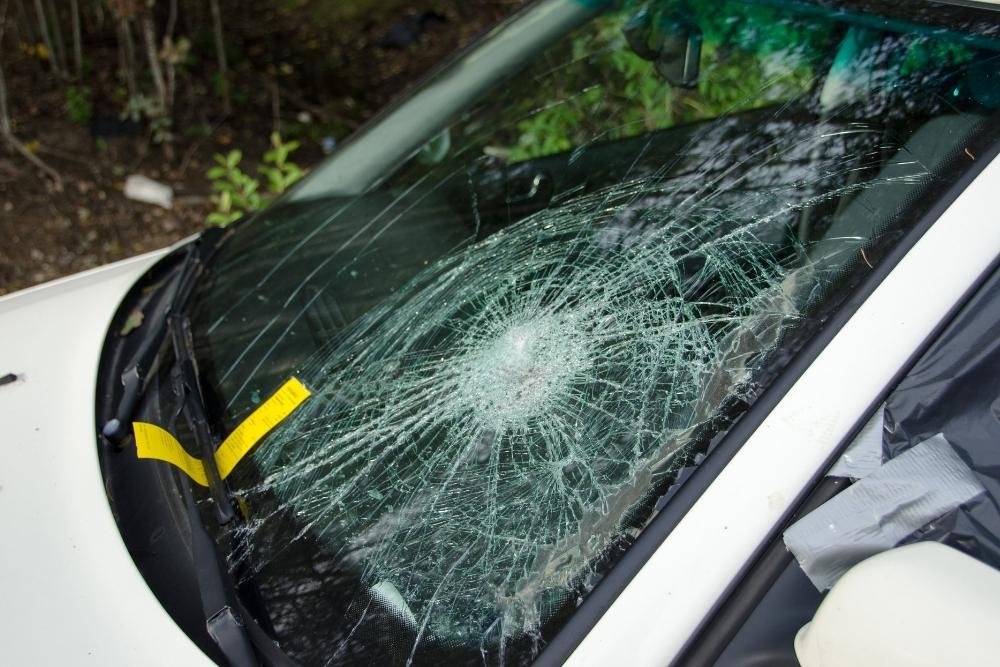
A cracked or broken windshield can happen unexpectedly. A small rock may hit your windshield on the highway, a falling branch might damage your parked car, or severe weather could leave you with broken glass.
When this happens, one of the first questions drivers ask is whether car insurance will pay for the repair or replacement.
In many cases, comprehensive car insurance covers windshield damage, but the outcome depends on your policy, how the damage occurred, your deductible, and the laws in your state. Some policies also offer separate glass coverage or reduced deductibles for windshield repairs.
Understanding your options can help you avoid unnecessary expenses and decide whether to file an insurance claim.
Does Car Insurance Cover a Cracked Windshield?
Car insurance may cover a cracked windshield if the damage results from a covered event and your policy includes the relevant protection.
The most common type of coverage for windshield damage is comprehensive insurance. It generally covers certain losses that do not involve a collision, including damage caused by flying debris, vandalism, hail, or falling objects.
For example, if a rock flies up from the road and cracks your windshield, comprehensive coverage may help pay for repairs or replacement.
However, coverage is not automatic. A basic liability-only policy generally does not pay to repair damage to your own vehicle, including its windshield.
If you’re unsure what your policy includes, read our guide explaining what car insurance covers.
Which Types of Car Insurance Cover Windshield Damage?
Different types of auto insurance provide different levels of protection. Knowing the difference can help you understand whether your windshield claim may be covered.
1. Comprehensive coverage
Comprehensive coverage generally helps pay for damage to your vehicle caused by certain non-collision events.
Depending on your policy, covered events may include:
- Rocks or other debris striking the windshield.
- Hail or severe weather damage.
- Falling branches or objects.
- Vandalism.
- Certain incidents involving animals.
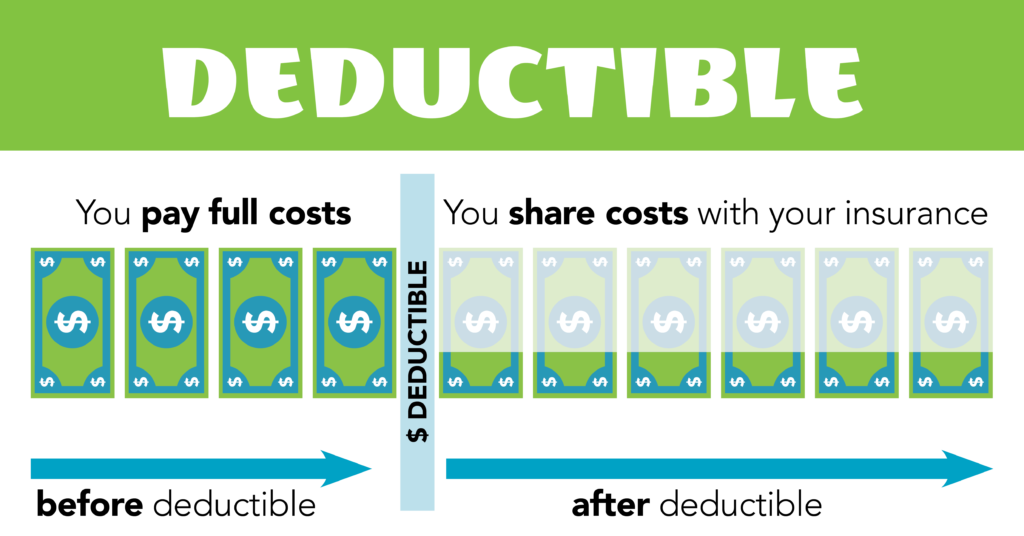
Comprehensive coverage usually has a deductible unless your policy provides a special glass benefit or waiver.
For example, suppose replacing your windshield costs $800 and your comprehensive deductible is $500. If the full replacement is covered, you would generally pay $500, while your insurer would pay the remaining $300.
If your policy has a separate glass deductible or covers certain repairs without a deductible, the amount you pay may be different.
2. Collision coverage
Collision coverage generally applies when your vehicle is damaged in a collision with another vehicle or object.
If your windshield breaks during a covered collision, your collision coverage may apply, subject to your policy terms and deductible.
For instance, if you collide with a barrier and the accident damages both your windshield and the front of your car, collision coverage may help pay for eligible repairs.
The insurer will determine how the claim is handled based on the circumstances and the applicable policy provisions.
3. Liability-only coverage
Liability coverage generally pays for covered injuries or property damage you cause to other people. It does not normally cover damage to your own windshield.
If you have only liability insurance and a rock cracks your windshield, you will generally have to pay for the repair yourself unless another applicable source of coverage is available.
Does Insurance Cover Windshield Repairs Without a Deductible?
Sometimes. Certain insurers and policies waive the deductible for qualifying windshield repairs, even when a deductible would apply to a full replacement.
Some states also have laws that affect deductibles for specific types of auto glass claims. Requirements and benefits vary, so drivers should check the rules applicable to their state and policy.
It is important to distinguish between a repair and a replacement.
- Windshield repair: A technician may be able to fix small chips or cracks without replacing the entire windshield.
- Windshield replacement: The full windshield is removed and replaced when the damage is too extensive or affects safe visibility.
Your policy may treat these services differently. Ask your insurer whether a deductible applies to repairs, replacements, or both before authorizing the work.
Does Insurance Cover a Small Windshield Chip?
A small chip may qualify for coverage under comprehensive insurance, depending on your policy.
Some insurers encourage drivers to repair minor chips promptly because a repair may cost less than replacing the entire windshield. Certain policies may cover eligible chip repairs with no deductible.
However, not every chip can be repaired. The location, size, depth, and pattern of the damage can affect whether repair is safe and practical.
A chip near the driver’s line of sight or damage that compromises the windshield’s structural integrity may require replacement.
If you notice a chip, contact a qualified auto glass professional to determine whether it can be repaired safely. Check with your insurer before proceeding if you want to use your coverage.
What If Your Windshield Is Completely Shattered?
If your windshield is shattered, comprehensive coverage may pay for replacement when the damage results from a covered event.
The insurer may ask for details about how the damage occurred and may require photographs, an inspection, or other documentation.
If the windshield broke during a collision, collision coverage may be relevant instead.
Your insurer or glass repair provider can explain the approved repair process, any applicable deductible, and whether you can choose your own repair shop.
Avoid driving a vehicle if the damaged windshield makes it unsafe to operate or obstructs your view. Follow local safety requirements and arrange professional assistance when necessary.
How Much Does Windshield Replacement Cost?
Windshield replacement costs vary based on the vehicle, glass type, location, labor, and required technology.
Vehicles equipped with advanced driver-assistance systems (ADAS), such as cameras or sensors mounted near the windshield, may require calibration after replacement. This can increase the total cost.
Other factors that affect the price include:
- Vehicle make and model.
- Availability of replacement glass.
- Original equipment manufacturer (OEM) glass versus aftermarket glass.
- Labor and installation costs.
- Required sensor or camera calibration.
- Local taxes and fees.
Because prices differ, request a written estimate from a qualified repair provider. If you plan to file a claim, confirm whether your insurer has preferred providers or specific approval requirements.
Should You File an Insurance Claim for Windshield Damage?
Whether you should file a claim depends on the repair cost, your deductible, the type of coverage you have, and the terms of your policy.
Consider these examples.
Example 1: Repair cost is below your deductible
Suppose a windshield repair costs $250 and your comprehensive deductible is $500. If no special glass benefit applies, your insurance generally would not pay toward that repair under the deductible-based coverage.
Paying out of pocket may be the simplest option, but confirm whether your policy offers a separate repair benefit.
Example 2: Replacement cost is higher than your deductible
Suppose replacing your windshield costs $1,200 and your applicable deductible is $250. If the entire replacement is covered, your insurer would generally pay $950, and you would pay $250.
Example 3: Your policy waives the repair deductible
If your policy covers an eligible chip repair without a deductible, the insurer may pay the covered repair cost in full, subject to the benefit’s conditions.
These examples are illustrative. Your actual claim payment depends on your coverage, deductible, approved costs, and policy provisions.
Before filing, ask your insurer how the claim will be handled and whether it could affect your premiums or claim history. The answer can vary by insurer, state, and circumstances.
Does a Windshield Claim Increase Your Insurance Premium?
A windshield claim does not automatically mean your premium will increase. The effect depends on your insurer, your state, your policy, and your overall claims history.
Comprehensive claims are generally different from at-fault collision claims, but insurers may consider claims history when setting rates where permitted by law.
If the damage is minor, compare the estimated repair cost with your deductible and ask your insurer about any potential rating implications.
Do not delay a necessary safety repair simply because you’re concerned about premiums. A qualified professional can help you determine the safest way to address the damage.
Does Insurance Cover Windshield Damage Caused by Another Driver?
It may, depending on who was responsible and how the claim is handled.
If another driver causes an accident that damages your windshield, their property damage liability coverage may pay for your covered losses if they are legally responsible and their insurer accepts the claim.
You may also be able to use your own applicable coverage, such as collision coverage, depending on the circumstances. Your deductible may apply when you use your own policy, although you may be able to recover it if your insurer later obtains reimbursement.
If you are involved in an accident, keep photographs, exchange relevant information, and follow your insurer’s reporting instructions.
For more information about the process, read our guide to how an insurance claim works. Confirm that this URL matches the slug of your existing article before publishing.
How to File a Windshield Insurance Claim
If you believe your windshield damage is covered, follow these general steps.
Step 1: Check your policy
Confirm whether you have comprehensive coverage or a specific glass benefit. Check your deductible and any applicable restrictions.
Step 2: Document the damage
Take clear photographs of the windshield and note when and how the damage occurred, if known.
Step 3: Contact your insurer
Ask whether the damage qualifies for coverage, whether you need an inspection, and whether you must use an approved repair provider.
Step 4: Get a repair estimate
Request an estimate from a qualified auto glass professional. Make sure it includes any required sensor or camera calibration.
Step 5: Confirm your out-of-pocket cost
Ask how much you will owe after the deductible and whether any additional charges may apply.
Step 6: Arrange the repair or replacement
Follow your insurer’s instructions and ensure the work is completed by a qualified professional. Keep your receipts and claim documents.
How to Prevent Further Windshield Damage
Not all windshield damage can be prevented, but a few precautions may reduce the risk of a small chip spreading.
- Keep a reasonable distance from trucks and vehicles that may throw up road debris.
- Avoid sudden temperature changes when possible, as they can worsen existing cracks.
- Arrange prompt professional assessment of chips or cracks.
- Avoid slamming doors if your windshield is already damaged.
- Follow the repair professional’s instructions after a windshield repair or replacement.
These steps cannot guarantee that damage will be avoided, but addressing minor damage early may help prevent it from becoming more extensive.
Frequently Asked Questions
Does full coverage car insurance cover a cracked windshield?
“Full coverage” is an informal term that commonly refers to liability, collision, and comprehensive insurance. If your policy includes comprehensive coverage, it may cover windshield damage caused by a covered non-collision event. Deductibles and exclusions still apply.
Does liability insurance cover a broken windshield?
Liability-only insurance generally does not cover damage to your own windshield. You may need comprehensive or other applicable coverage unless another party is responsible for the damage.
Can I get my windshield replaced without paying a deductible?
Possibly. Some policies waive deductibles for qualifying repairs or replacements, and some states have specific glass coverage rules. Check your policy and applicable state requirements.
Should I repair a windshield chip or replace the windshield?
That depends on the chip’s size, location, depth, and effect on visibility and structural integrity. A qualified auto glass professional can determine whether a repair is safe or replacement is necessary.
Can I choose my own windshield repair shop?
Your policy and state rules may affect your options. Ask your insurer about provider requirements, warranties, glass choices, and any limits before scheduling the work.
Is windshield damage covered if I do not know how it happened?
Coverage depends on the policy and the circumstances. Comprehensive insurance may cover certain unexplained or non-collision damage, but your insurer will determine whether the loss qualifies under the policy.
Final Thoughts
Car insurance may cover a cracked or broken windshield, particularly when your policy includes comprehensive coverage. However, the amount your insurer pays depends on how the damage occurred, your deductible, any glass-specific benefits, and your policy’s exclusions.
Before paying for repairs or filing a claim, review your coverage, compare the repair estimate with your deductible, and ask your insurer whether a separate glass benefit applies.
Most importantly, address windshield damage promptly. A damaged windshield can affect visibility and vehicle safety, so have it assessed by a qualified professional.
Disclaimer: This article is for general educational purposes only and does not provide insurance, legal, or financial advice. Coverage, deductibles, glass benefits, and claim procedures vary by insurer, policy, and state. Review your policy and consult your insurance provider for guidance about your circumstances.