Your home is one of your most valuable assets, and unexpected damage can lead to significant repair costs. Homeowners insurance can help protect your house, personal belongings, and finances when certain covered events occur. However, understanding exactly what your policy covers is just as important as having insurance in the first place.
If you’re wondering what homeowners insurance covers, the answer depends on your specific policy, coverage limits, deductibles, and exclusions. Most standard homeowners policies include protection for the home’s structure, personal belongings, personal liability, and additional living expenses under qualifying circumstances.
In this guide, we’ll explain the main types of homeowners insurance coverage, common exclusions, and what to review when choosing a policy.
What Is Homeowners Insurance?
Homeowners insurance is a type of property insurance that helps protect your home and personal belongings against specified risks. It may also provide financial protection if you’re held legally responsible for certain injuries or property damage involving other people.
For example, if a covered fire damages your kitchen, your policy may help pay for repairs. If a covered event makes your home temporarily uninhabitable, your insurance may also help pay for certain additional living expenses.
Homeowners insurance does not cover every possible loss. Your insurer evaluates a claim according to the policy’s terms, exclusions, limits, and deductible.
Many mortgage lenders require borrowers to maintain homeowners insurance. Even when coverage isn’t required by a lender, having suitable protection can help reduce the financial impact of an unexpected disaster.
What Does Homeowners Insurance Cover?
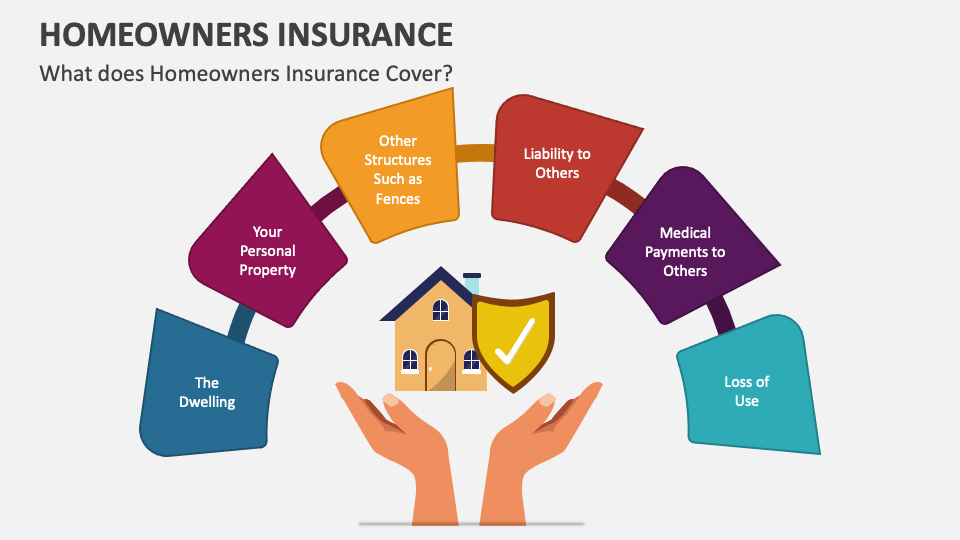
Most standard homeowners insurance policies provide several main types of protection. These are commonly identified as dwelling coverage, other structures coverage, personal property coverage, loss of use coverage, and liability-related coverage.
The following sections explain how each type generally works.
1. Dwelling Coverage: Protection for Your House
Dwelling coverage helps pay to repair or rebuild the physical structure of your home when it is damaged by a covered event.
Depending on the policy, covered parts of the home may include:
- Roof, walls, and foundation
- Floors and ceilings
- Built-in cabinets and fixtures
- Permanently installed plumbing and electrical systems
- Attached garages and other attached structures
Common covered events may include fire, lightning, windstorm, hail, and certain types of sudden accidental damage. The exact events covered depend on the policy wording.
Example: A fire damages several rooms in your house. If the damage is covered, your homeowners insurance may help pay for eligible repairs or rebuilding costs, subject to your deductible and policy limits.
When choosing dwelling coverage, consider the estimated cost of rebuilding your home rather than simply its current market value. The market price of a property includes factors such as land value, while rebuilding costs reflect materials, labor, and other construction expenses.
2. Other Structures Coverage: Garages, Fences, and Sheds
Other structures coverage generally protects qualifying structures on your property that are separate from your main house.
Examples may include:
- Detached garages
- Storage sheds
- Fences
- Gazebos
- Certain detached workshops
Example: A covered windstorm damages a detached garage on your property. Your policy may help pay for repairs if the structure and the cause of damage qualify for coverage.
This coverage often has a limit based on a percentage of your dwelling coverage, but the amount varies by policy. Some structures may have special restrictions, particularly if they are used for business purposes or rented to others.
Review the limit for other structures to determine whether it would be sufficient to repair or rebuild the structures you own.
3. Personal Property Coverage: Protection for Your Belongings
Personal property coverage helps protect the belongings you own when they are damaged, destroyed, or stolen under circumstances covered by your policy.
Common examples include:
- Furniture and home furnishings
- Clothing and shoes
- Televisions, computers, and other electronics
- Kitchen appliances and household items
- Sports equipment
- Certain jewelry and personal valuables
Coverage may also extend to belongings temporarily outside your home, depending on the policy and applicable limits.
Example: A covered fire destroys your living room furniture and television. Your personal property coverage may help pay to repair or replace eligible items, subject to your deductible and coverage limits.
Does homeowners insurance cover expensive valuables?
Usually, but there may be special limits for certain categories of property, such as jewelry, watches, collectibles, firearms, or other high-value items.
If you own valuable possessions, check whether your policy’s standard limits are sufficient. You may be able to purchase additional coverage or schedule specific items, depending on the insurer.
Actual cash value vs. replacement cost
How your insurer values damaged belongings can affect how much you receive.
- Actual cash value: Generally accounts for depreciation when calculating the item’s value.
- Replacement cost coverage: Generally pays the covered cost of replacing an item with a comparable new one, subject to the policy’s terms and limits.
For example, an older television may cost less to value on a depreciated basis than to replace with a comparable new model. Your policy’s settlement provisions determine how the claim is calculated.
4. Personal Liability Coverage: Protection Against Certain Claims
Personal liability coverage may help protect you financially if you’re legally responsible for covered bodily injury or property damage involving another person.
Depending on the policy, it may help cover eligible legal defense costs, settlements, or judgments, subject to applicable terms and limits.
Examples of situations that could lead to a liability claim include:
- A visitor slips on your property and suffers an injury.
- Your dog injures someone in a covered situation.
- You accidentally damage another person’s property and are legally responsible.
Example: A guest falls on your property and alleges that your negligence caused the injury. Your liability coverage may help with eligible costs if the claim falls within the policy’s terms.
Liability coverage is different from dwelling coverage. Dwelling coverage protects your home’s physical structure against covered damage, while personal liability coverage addresses certain claims involving injury or damage to others.
Not every accident or lawsuit is covered. Policy exclusions, liability limits, and the facts of the incident all matter.
5. Medical Payments Coverage: Certain Minor Injuries
Many homeowners policies also include a limited amount of medical payments coverage for qualifying injuries to other people.
This coverage may help pay certain medical expenses resulting from an accident covered by the provision, without requiring the injured person to establish that you were legally responsible.
For example, a visitor might trip on your front steps and need medical attention. Medical payments coverage may help pay eligible expenses, depending on the policy.
Medical payments coverage generally has a relatively low limit and is not a substitute for health insurance or broader liability protection.
6. Additional Living Expenses: Help When Your Home Is Uninhabitable
Additional living expenses (ALE), sometimes called loss-of-use coverage, may help pay certain extra costs if a covered loss makes your home unfit to live in while repairs take place.
Depending on the policy and circumstances, eligible expenses may include:
- Temporary accommodation
- Additional food costs when normal cooking arrangements are unavailable
- Certain extra transportation or living expenses
Example: A covered fire makes your house temporarily uninhabitable. You move into a hotel while repairs are completed. Your policy may reimburse eligible additional living expenses within its limits.
This coverage generally pays for qualifying costs above your normal living expenses, rather than every expense you incur while away from home. Your mortgage payment and ordinary household expenses do not automatically disappear.
Keep receipts and speak with your insurer about eligible costs, required documentation, time limits, and dollar limits before assuming an expense will be reimbursed.
What Events Does Homeowners Insurance Usually Cover?
Coverage depends on the type of policy you have and the specific cause of the loss. Standard policies commonly cover certain events such as:
| Event | Typical coverage considerations |
|---|---|
| Fire or lightning | Commonly covered, subject to policy terms |
| Windstorm or hail | Often covered, but special deductibles or restrictions may apply |
| Theft | Often covered for eligible property, subject to limits |
| Vandalism | Commonly covered under qualifying circumstances |
| Falling objects | Depends on policy wording |
| Sudden accidental pipe damage | May be covered, depending on the cause and circumstances |
| Flooding | Generally excluded from standard homeowners insurance |
| Earthquake damage | Generally excluded unless separate or additional coverage applies |
This table is a general guide, not a guarantee of coverage. For example, a policy may cover sudden accidental water damage but exclude damage caused by gradual leaks or neglected maintenance.
Always read the policy language or ask your insurer about a particular event.
What Does Homeowners Insurance Not Cover?
Understanding exclusions is essential because homeowners insurance does not cover every form of property damage.
Common exclusions or coverage limitations may include the following.
1. Flood Damage
Standard homeowners insurance generally does not cover damage caused by flooding. Flood insurance may be available through the National Flood Insurance Program or private insurers.
Flood coverage may be worth considering even if you are not in a high-risk flood zone, depending on your location and financial circumstances.
2. Earthquake Damage
Earthquake damage is generally excluded from standard homeowners policies. Depending on where you live, you may be able to purchase a separate earthquake policy or add an endorsement.
Check what protection is available in your state and whether the cost is appropriate for your situation.
3. Normal Wear and Tear
Homeowners insurance is not designed to pay for routine maintenance or ordinary deterioration.
Examples may include an aging roof reaching the end of its useful life, worn-out plumbing, or gradual deterioration caused by a lack of maintenance.
A resulting loss may be evaluated differently depending on the circumstances and policy wording.
4. Neglect and Gradual Damage
Damage caused by unresolved maintenance problems or gradual deterioration may not be covered. For instance, a long-standing leak that causes extensive damage may be treated differently from a sudden, accidental pipe rupture.
The cause of the damage and the applicable policy language are important when an insurer reviews a claim.
5. Sewer or Drain Backup
Sewer or drain backup damage is often excluded unless the policy includes an applicable endorsement or additional coverage. Ask your insurer whether this protection is available and what limits apply.
For more information, consult the Insurance Information Institute’s guide to homeowners coverage.
How Much Homeowners Insurance Coverage Do You Need?
The right amount depends on your home’s rebuilding cost, the value of your belongings, your financial situation, and your exposure to potential risks.
Here are some practical steps to consider.
Estimate rebuilding costs. Consider construction materials, labor, special features, and local building costs. Your home’s market value is not necessarily the same as its rebuilding cost.
Review your belongings. Create a home inventory listing major possessions, their approximate values, and any available receipts or photographs. This can help you evaluate personal property limits and document a future claim.
Check your liability limit. Consider your assets and potential financial exposure when evaluating personal liability coverage.
Review additional living expenses. Determine whether the policy’s limit and time provisions could reasonably meet your needs after a covered loss.
Consider location-specific risks. Flooding, hurricanes, wildfires, and earthquakes can create different insurance needs. Ask about relevant exclusions, endorsements, deductibles, and separate policies.
Review your coverage periodically. Renovations, major purchases, and rising rebuilding costs may affect whether your existing limits remain appropriate.
For more guidance, the National Association of Insurance Commissioners’ homeowners insurance resource explains common coverage types and additional protection options.
How to Check What Your Homeowners Insurance Covers
If you already have a homeowners policy, you do not need to guess what it protects. Start by reviewing the documents your insurer provided.
- Read the declarations page. This summarizes important details such as coverage limits, deductibles, and the insured property.
- Review the policy wording. Look for covered causes of loss, exclusions, conditions, and special limits.
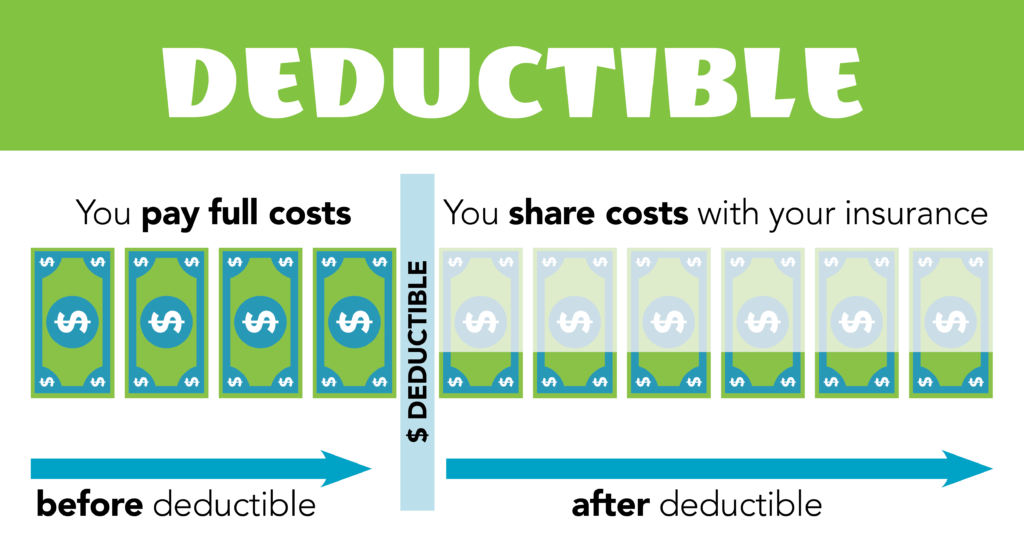
- Check your deductible. Find out how much you may have to pay toward a covered claim.
- Review special coverage limits. Pay attention to jewelry, electronics, business property, and other items that may have restricted coverage.
- Ask your insurer specific questions. Describe the event or risk you are concerned about and request clarification in writing when appropriate.
If you are comparing policies, review the coverage and exclusions alongside the premium. A lower price does not necessarily mean a policy offers the protection you need.
Frequently Asked Questions
Does homeowners insurance cover roof damage?
It often covers roof damage caused by covered events, such as certain windstorms or hail. However, damage from wear and tear, neglect, or excluded causes may not qualify. Check your policy for roof-related restrictions, deductibles, and settlement provisions.
Does homeowners insurance cover theft?
Many standard homeowners policies cover theft of eligible personal belongings, subject to policy conditions, deductibles, and special limits. Certain high-value items may require additional coverage.
Does homeowners insurance cover water leaks?
It depends on the source and circumstances. Sudden accidental water damage may be covered, while gradual leaks, maintenance problems, flooding, or sewer backups may be excluded or require separate coverage.
Does homeowners insurance cover a detached garage?
Many policies include other structures coverage for qualifying detached garages, sheds, and fences. The amount of coverage and applicable exclusions depend on the policy.
Is homeowners insurance required by law?
There is no single nationwide requirement that every homeowner purchase homeowners insurance. However, mortgage lenders commonly require coverage as a condition of the loan, and other contractual or local requirements may apply.
Will homeowners insurance pay the full cost of repairs?
Not necessarily. Payment depends on whether the loss is covered, your deductible, coverage limits, exclusions, and the policy’s method of valuing the damage. Repair costs above the applicable limit may be your responsibility.
Final Thoughts
Homeowners insurance can provide important financial protection for your home, belongings, and personal liability, while helping cover certain additional living expenses after a covered loss.
The key is understanding what your particular policy includes—and what it excludes. Review your dwelling coverage, personal property limits, liability protection, deductibles, and any additional coverage you may need.
If you’re purchasing a new policy or reviewing an existing one, compare more than just the premium. Understanding the terms and limits can help you make a more informed decision about protecting your home.
For questions about your individual circumstances, contact your insurer or a licensed insurance professional in your state.
Disclaimer: This article is for general educational and informational purposes only. Insurance coverage varies by insurer, policy, and state. It is not legal, financial, or insurance advice and does not guarantee coverage for any particular loss.