Car insurance is an essential expense for most drivers in the United States, but the amount you pay can vary considerably. Your monthly premium may depend on your age, driving history, location, vehicle, selected coverage, and the insurance company you choose.
If you’re buying your first car, renewing an existing policy, or trying to reduce an expensive premium, understanding how car insurance pricing works can help you make a more informed decision.
This guide explains the factors that influence car insurance costs, the differences between common coverage options, and practical ways to compare policies without sacrificing important protection.
How Much Does Car Insurance Cost?
There is no single car insurance price that applies to every American driver. A driver with a clean record who owns an older vehicle may receive a very different quote from someone with recent accidents, a newer vehicle, or a high-risk driving profile.
Your cost also depends on the type of coverage you select.
- Minimum liability coverage: Generally provides the liability protection required by state law, subject to the applicable limits.
- Higher liability limits: Offer more financial protection if you are responsible for a covered accident that causes injuries or property damage.
- Full coverage: A commonly used term for a policy that combines liability, collision, and comprehensive coverage, although the exact combination varies.
When comparing average prices online, check whether the figures refer to minimum coverage or a policy with higher liability limits and physical damage protection.
For an accurate estimate, request quotes using the same vehicle, driver details, coverage limits, and deductibles.
What Factors Affect Car Insurance Rates?
Insurers use various rating factors to estimate the likelihood and potential cost of claims. The factors they can use and how much each affects the premium depend on state regulations and company practices.
1. Your driving history
Your driving record can have a significant influence on your premium.
Insurers may consider:
- At-fault accidents.
- Certain traffic violations.
- Previous insurance claims.
- The length of your driving history.
- Recent driving-related incidents.
A clean driving record may help you qualify for more competitive rates, but it does not guarantee the lowest premium. Other factors, including location and vehicle type, still matter.
If your premium rises after an incident, ask the insurer which rating factors contributed to the change.
2. Your age and driving experience
Young and inexperienced drivers often face higher insurance costs because insurers generally view them as a greater risk.
As drivers gain experience and maintain safer driving records, their premiums may become more competitive. However, rates do not decrease automatically at a particular birthday, and older drivers can also face higher costs depending on their circumstances.
Students and young drivers should ask about available discounts, driver education programs, and whether joining a family policy is a suitable option.
3. Where you live
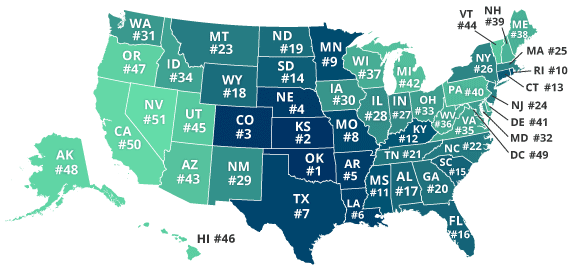
Car insurance prices can differ substantially between states, cities, and ZIP codes.
Insurers may evaluate local accident frequency, vehicle theft, repair costs, traffic conditions, weather risks, and the cost of injury claims.
For example, someone living in a densely populated urban area may face different risks from someone in a rural community. Even drivers living in the same state may receive different quotes.
Your state also determines the minimum required liability coverage and other applicable insurance rules.
4. Your vehicle’s make and model
The car you drive can affect your premium because insurers consider its value, repair costs, safety features, theft risk, and claims history.
A newer luxury vehicle may cost more to repair or replace than an economical sedan. A performance vehicle may also have different insurance pricing from a standard passenger car.
Electric vehicles can have different repair and parts costs from comparable gasoline-powered vehicles, but they are not always more expensive to insure.
If you are shopping for a car, compare potential insurance costs before making your purchase.
5. The coverage you choose
Your coverage selection directly affects what your policy protects and how much you pay.
Common options include:
- Liability coverage: Helps pay for covered injuries or property damage you cause to others.
- Collision coverage: Helps pay to repair or replace your vehicle after a covered collision, subject to your deductible and policy terms.
- Comprehensive coverage: Helps cover certain non-collision losses, such as theft, hail, or falling objects.
- Uninsured/underinsured motorist coverage: Provides protection in certain situations involving drivers who have insufficient or no applicable insurance, depending on state law and policy terms.
- Medical payments or personal injury protection: May cover eligible medical expenses or other specified costs, depending on the coverage and state.
Read our guide to what car insurance covers for a more detailed explanation of these options.
6. Your deductible
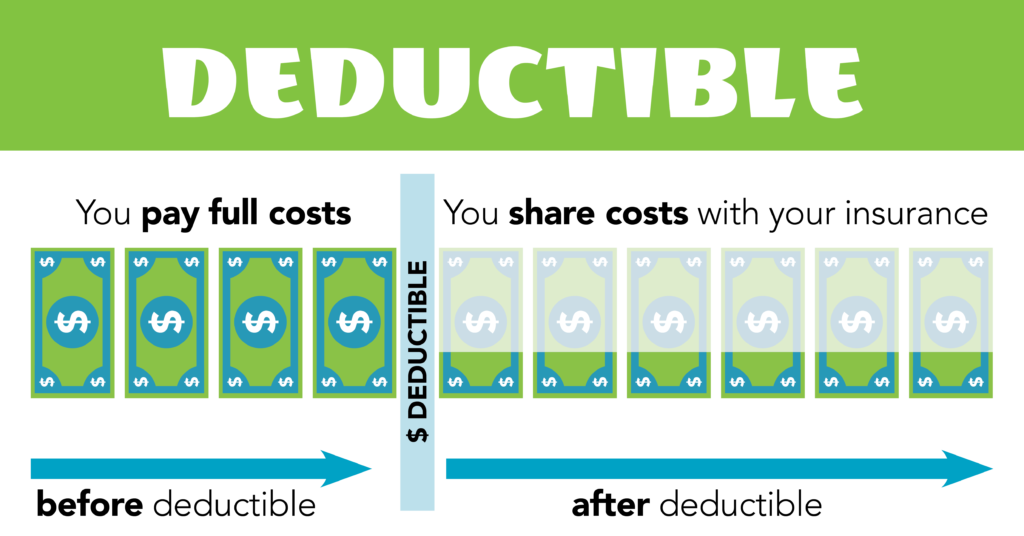
A deductible is the amount you pay toward an eligible covered loss before your insurer pays the remaining covered amount.
For example, if your vehicle has $3,000 in eligible collision damage and your deductible is $500, the insurer would generally pay $2,500, assuming the entire amount is covered.
Choosing a higher deductible may reduce your premium for collision or comprehensive coverage. However, you should be comfortable paying that amount if your vehicle is damaged.
For more examples, see our guide to what an insurance deductible is. Confirm that this URL matches your published deductible article before making the link live.
7. How much you drive
Your annual mileage and vehicle use may affect your rate.
A driver who commutes long distances every day may have a different risk profile from someone who drives occasionally. Some insurers offer usage-based programs that consider mileage or driving behavior.
If your driving habits have changed significantly, ask your insurer whether updating your annual mileage or vehicle-use information could affect your premium.
Always provide accurate information about how the vehicle is used.
8. Your insurance history
Insurers may consider previous coverage, claims, and lapses when determining eligibility and pricing, subject to applicable state law.
A gap in coverage can make finding affordable insurance more difficult in some circumstances. If you are changing insurers, arrange the new policy to begin before your existing coverage ends.
If you have never owned a car or recently moved to the US, explain your circumstances when requesting quotes because your available options may differ.
Why Is Car Insurance So Expensive for Some Drivers?
Several factors can combine to produce a high premium, even when a driver has not recently been involved in an accident.
Common reasons include:
- High repair and replacement costs.
- Expensive medical claims and litigation.
- Increased local accident or vehicle theft rates.
- Severe weather and related vehicle damage.
- A vehicle with costly parts or specialized repairs.
- Higher selected liability limits.
- Previous accidents or violations.
- Limited eligibility for discounts.
Insurance prices can also change at renewal because of updated company pricing, local claims experience, or changes to your policy.
If your premium increases unexpectedly, request an explanation and compare equivalent coverage from other providers.
How Can You Lower Your Car Insurance Cost?
You may be able to reduce your premium by reviewing your policy and checking which options suit your needs.
Compare quotes from multiple insurers
Get quotes from several insurers where available. Use the same driver information, vehicle details, liability limits, and deductibles so the comparison is meaningful.
Look beyond the headline price and review exclusions, customer service, claims procedures, and available coverage.
Ask about discounts
Depending on the insurer and state, discounts may be available for:
- Safe driving.
- Eligible student performance.
- Completing approved driver education.
- Bundling home and auto policies.
- Insuring multiple vehicles.
- Certain safety and anti-theft features.
- Participating in eligible usage-based insurance programs.
Not every insurer offers every discount, and eligibility requirements differ.
Review your coverage needs
Consider whether your existing coverage still suits the vehicle and your financial circumstances.
For an older car, you might compare the cost of collision and comprehensive coverage with the vehicle’s value and the amount you could afford to pay for repairs or replacement.
Do not remove important coverage simply to obtain a lower premium, especially if you have a loan or lease requiring specific protection.
Consider your deductible carefully
A higher deductible may lower certain coverage costs. However, the savings should be weighed against the amount you would need to pay after a claim.
Do not choose a deductible you could not reasonably afford.
Maintain a safe driving record
Avoiding accidents and violations may help you qualify for better rates over time. Ask your insurer whether safe-driving programs or accident forgiveness options are available and what conditions apply.
Choose your next vehicle with insurance costs in mind
Before buying a vehicle, obtain insurance estimates for the exact make, model, year, and trim.
Two cars with similar purchase prices can have different insurance costs because of repair expenses, theft rates, safety systems, and other rating factors.
Should You Choose Minimum Coverage or Full Coverage?
The right choice depends on your state requirements, financial circumstances, vehicle value, and exposure to risk.
Minimum liability coverage may satisfy the legal requirement in your state, but it does not necessarily pay to repair your own vehicle after an accident.
A policy with collision and comprehensive coverage may provide broader financial protection for your car. These coverages are also commonly required by lenders or leasing companies when a vehicle is financed or leased.
Before deciding, consider:
- Your state’s minimum insurance requirements.
- Whether you have an outstanding auto loan or lease.
- How much your vehicle is worth.
- Whether you could afford repairs or replacement yourself.
- Your liability exposure if you cause an accident.
The cheapest legal policy is not always the most suitable policy for your circumstances.
Frequently Asked Questions
1. What is the average cost of car insurance in the US?
The average varies according to the data source, coverage level, location, driver profile, and vehicle. Use published averages as general guidance, then compare personalized quotes for a more realistic estimate.
2. What is the cheapest type of car insurance?
Minimum liability coverage is often cheaper than a policy that also includes collision and comprehensive coverage. However, it may not cover damage to your own vehicle, and the minimum limits may not provide enough financial protection for every driver.
3. Why did my car insurance premium increase without an accident?
Premiums may rise because of changes in repair costs, local claims trends, company pricing, vehicle details, or other rating factors. Ask your insurer to explain the increase and check whether alternative policies offer comparable coverage at a lower cost.
4. Does the type of car affect insurance rates?
Yes. Insurers may consider a car’s value, repair expenses, safety features, theft risk, and claims history. Compare insurance estimates for different vehicles before buying.
5. Can I lower my car insurance by increasing my deductible?
Often, a higher deductible can reduce the cost of collision or comprehensive coverage. However, you will generally pay more out of pocket when a covered claim occurs. The amount saved varies by insurer and policy.
6. Is full coverage car insurance required by law?
States generally require certain liability coverage, and some require additional coverages. Collision and comprehensive coverage are not generally required by state law for every driver, but a lender or leasing company may require them.
7. Does car insurance cost more for new drivers?
New drivers often pay more because they have less driving experience. Available discounts, the vehicle selected, the driver’s location, and the type of policy can affect the final price.
8. How often should I compare car insurance quotes?
Review your policy at renewal and whenever your vehicle, address, driving habits, or coverage needs change. You can also compare quotes after a substantial premium increase, making sure you compare equivalent coverage.
Get Help Understanding Your Car Insurance Options
Choosing car insurance can be difficult when premiums, deductibles, liability limits, and optional coverages differ between policies.
InsuranceGuide.online provides educational information to help readers understand insurance options and make informed decisions. If you need assistance exploring available options, use our contact or support channel to ask about the services available through our authorized insurance partnership.
Before choosing a policy, review its terms and confirm the coverage, price, eligibility requirements, and exclusions with the relevant insurance provider.
Disclaimer: This article is for general educational purposes and is not a substitute for a personalized insurance quote, policy document, or professional advice. Coverage requirements, availability, rates, and exclusions vary by state, insurer, vehicle, and driver. Confirm policy details with the relevant insurance provider before making a decision.