Renting a car can be convenient when you’re traveling, on vacation, or waiting for your own vehicle to be repaired. But before you drive away, it’s important to understand whether your existing car insurance covers the rental vehicle.
In many cases, a personal auto insurance policy may extend certain coverages to a rental car in the United States. However, coverage depends on your policy, the type of rental, where you’re driving, and the reason you’re renting the vehicle.
Your existing policy might cover damage to the rental car or injuries and property damage you cause to others, but it may not cover every situation. You could also be responsible for expenses such as loss-of-use fees or administrative charges, depending on your policy and applicable rules.
This guide explains how rental car insurance works, what your personal policy may cover, and how to decide whether you need additional protection.
Does Your Personal Car Insurance Cover Rental Cars?
Your personal auto insurance may cover a rental car if you rent it for personal use and the rental falls within your policy’s terms.
For example, if your policy includes collision and comprehensive coverage, those protections may extend to a rental car in certain circumstances. Your liability coverage may also apply when you cause an accident while driving the rental.
However, this is not guaranteed. Some policies limit coverage based on the vehicle, rental period, location, or purpose of the rental.
Before relying on your existing insurance, contact your insurer and ask whether your policy extends to rental cars. Confirm the coverage limits, deductibles, and exclusions.
If you’re unfamiliar with the different types of auto coverage, read our guide to what car insurance covers.
What Types of Rental Car Damage May Be Covered?
Whether a rental car is covered depends on the specific protection included in your policy.
1. Liability coverage
Auto liability insurance generally helps pay for covered injuries to other people and damage to their property when you are responsible for an accident.
If your personal liability coverage extends to your rental car, it may help pay for these costs up to your policy limits.
For example, suppose you accidentally hit another vehicle while driving a rental car. If your policy applies, your liability coverage may help pay for the other driver’s covered vehicle repairs and injury-related expenses.
Liability coverage generally does not pay for damage to the rental vehicle itself.
2. Collision coverage
Collision coverage generally helps pay for covered damage to your vehicle resulting from a collision with another vehicle or object.
If your collision coverage extends to a rental car, it may help pay for damage after an accident, subject to your deductible and policy terms.
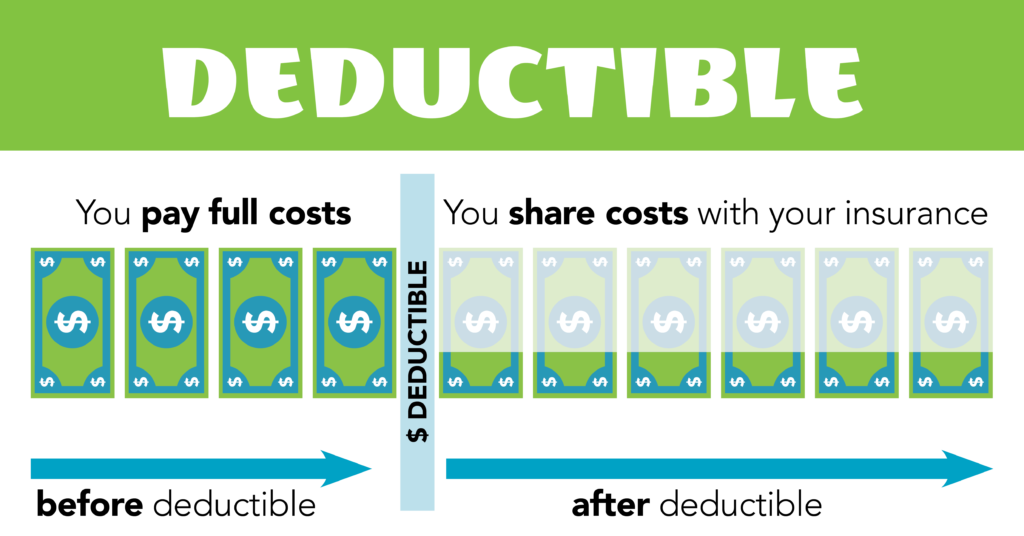
For example, if you damage a rental car in a parking garage and the eligible repair cost is $2,500, a $500 deductible could leave you responsible for $500, with the insurer paying the remaining $2,000 if the full amount is covered.
Your rental agreement and insurance policy may also affect whether additional charges are covered.
3. Comprehensive coverage
Comprehensive coverage generally applies to certain non-collision losses, such as theft, vandalism, hail, or damage caused by falling objects.
If your comprehensive coverage extends to the rental vehicle, it may help pay for a covered incident of this kind.
However, your insurer may apply specific conditions or exclusions. Confirm whether comprehensive protection applies to the type of rental you’re planning to use.
4. Medical payments or personal injury protection
Depending on your state and policy, medical payments coverage or personal injury protection (PIP) may help cover eligible medical expenses after a covered auto accident.
These benefits may extend to you or your passengers while using a rental car, but the rules vary by policy and state.
Check your policy to understand who is covered, which expenses qualify, and whether any limits apply.
What If You Don’t Have Collision or Comprehensive Coverage?
If your personal auto policy only includes liability insurance, it generally won’t pay for damage to the rental car itself.
You could therefore be responsible for repair costs or the vehicle’s value if it is stolen or damaged, subject to your rental agreement and any other applicable protection.
In this situation, you may want to consider the rental company’s collision damage waiver or another suitable coverage option.
A collision damage waiver is not necessarily an insurance policy. It is generally an agreement under which the rental company waives some or all of its right to charge you for certain vehicle damage, subject to the agreement’s conditions and exclusions.
Read the terms carefully before deciding whether it meets your needs.
What Is Rental Car Insurance?
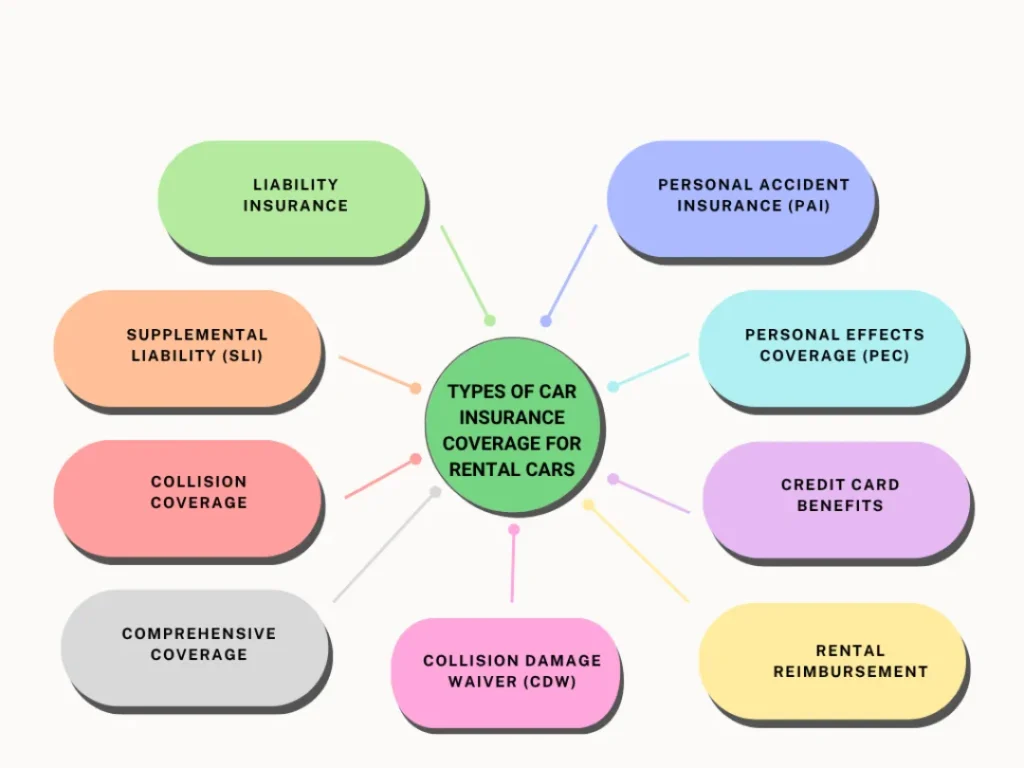
The term “rental car insurance” can refer to several different products offered by rental companies or other providers. These options do not all protect you against the same risks.
Common options include:
Collision damage waiver or loss damage waiver
This option may reduce or waive your financial responsibility for damage to or theft of the rental vehicle, depending on the agreement.
It may exclude certain situations, such as prohibited drivers, unauthorized use, or violations of the rental agreement.
Supplemental liability protection
Supplemental liability protection may provide additional liability coverage beyond what is available through other applicable policies, subject to its terms and limits.
It may be useful if you need higher liability limits, but compare it with your existing coverage before purchasing.
Personal accident insurance
This product may provide certain accident-related medical or death benefits for the renter and passengers. Whether you need it depends on your existing health, auto, and other insurance coverage.
Personal effects coverage
Personal effects coverage may provide protection for certain personal belongings stolen from the rental vehicle, subject to limits and exclusions.
Your homeowners or renters insurance may already cover some belongings away from home. To understand the basics, see our guide to what homeowners insurance covers.
Avoid purchasing duplicate coverage without first understanding what your existing policies already provide.
Does a Credit Card Cover Rental Car Damage?
Some credit cards offer rental car benefits when you use the card to pay for the rental and meet the benefit’s conditions.
Depending on the card, the benefit may cover certain damage to or theft of the rental vehicle. It may be primary or secondary coverage, and its limits and exclusions can vary considerably.
Credit card rental benefits commonly require you to follow specific rules, which may include:
- Paying for the rental with the eligible card.
- Declining the rental company’s collision damage waiver when required by the benefit terms.
- Renting an eligible type of vehicle.
- Keeping the rental within the permitted duration.
- Following the provider’s claim and documentation requirements.
A credit card benefit generally should not be assumed to provide liability coverage for injuries or damage you cause to other people. Check the guide to benefits or contact the card issuer before relying on it.
Does Car Insurance Cover Rental Cars for Business Use?
Personal auto insurance may not provide the same coverage when a rental car is used for business purposes.
Coverage can depend on whether you are traveling for work, carrying passengers or goods, making deliveries, or using the vehicle for another commercial activity.
For example, a rental car used for a personal vacation may be treated differently from a vehicle rented for a commercial delivery job.
If you are renting a car for business use, tell your insurer and the rental company how you plan to use it. You may need commercial coverage or a different arrangement.
Does Your Insurance Cover a Rental Car While Your Own Car Is Being Repaired?
Your personal auto policy may extend certain coverages to a temporary rental vehicle while your own car is being repaired, but this depends on the policy.
There is also a difference between insurance that protects the rental vehicle and rental reimbursement coverage.
Rental reimbursement coverage is an optional benefit on some auto policies that helps pay eligible rental expenses when your own vehicle is being repaired after a covered loss. It typically has daily and total limits and may require you to use an eligible rental arrangement.
It does not automatically mean that damage to the rental car itself is covered.
If you are filing a claim after an accident, review our guide on how an insurance claim works for an overview of the process. Before publishing, confirm that this link matches the slug used for your existing article.
What Is Not Usually Covered by Rental Car Insurance?
Coverage depends on the policy or rental agreement, but some costs and situations may be excluded or limited.
These can include:
- Damage caused by an unauthorized driver: Coverage may be affected if someone who is not permitted to drive the rental uses it.
- Prohibited vehicle use: Using the car in a way forbidden by the rental agreement may invalidate certain protections.
- Certain vehicle types: Luxury vehicles, large vans, specialty cars, and other categories may be excluded from some policies or credit card benefits.
- International rentals: Your US personal auto policy may not extend to rentals in other countries.
- Loss-of-use charges: The rental company may charge for the time the vehicle is unavailable for rent after damage. Whether this is covered varies.
- Administrative or diminished-value charges: Some agreements or policies may not cover these expenses.
- Personal belongings: Damage to the rental vehicle does not automatically mean that your belongings inside it are covered.
These are examples, not universal exclusions. Review the actual policy or agreement to understand what applies to your rental.
How to Check Whether Your Insurance Covers a Rental Car
Before picking up your rental, take these steps.
Step 1: Contact your auto insurer
Ask whether your personal auto policy extends to rental vehicles. Explain where you’re renting, how long you need the car, and how you intend to use it.
Step 2: Confirm your coverage types
Find out whether liability, collision, comprehensive, and relevant medical coverage apply to the rental.
Step 3: Check your deductible
If collision or comprehensive coverage extends to the rental, ask whether your usual deductible applies.
Step 4: Review your credit card benefits
If you plan to rely on credit card protection, read the benefit terms and confirm the requirements before booking.
Step 5: Read the rental agreement
Check what the rental company offers, what each option covers, and which costs you could still be responsible for.
Step 6: Compare the costs and risks
Compare the price of additional protection with the potential out-of-pocket expenses and the coverage you already have. Choose based on your circumstances rather than assuming the cheapest option is always sufficient.
Frequently Asked Questions
Does my car insurance cover a rental car automatically?
Not always. Some personal auto policies extend certain coverages to rental cars, but eligibility and exclusions vary. Confirm with your insurer before renting.
Do I need to buy insurance when renting a car?
Not necessarily. Your personal auto insurance or credit card may provide some protection. However, you should verify exactly what is covered and consider additional protection if there are important gaps.
Does liability insurance cover damage to a rental car?
Liability insurance generally covers covered injuries and property damage you cause to others, not damage to the rental car you are driving. Collision coverage or a suitable rental agreement option may address rental vehicle damage.
Will my deductible apply to a rental car?
If your own collision or comprehensive coverage extends to the rental, your policy’s deductible may apply. The details depend on your insurer and policy.
Does my insurance cover rental cars outside the United States?
Do not assume it does. Coverage may be limited or unavailable for international rentals. Check with your insurer and the rental company before traveling.
Does homeowners insurance cover items stolen from a rental car?
Your homeowners or renters insurance may cover certain personal belongings stolen away from home, subject to policy terms, deductibles, limits, and exclusions. It generally does not replace coverage for damage to the rental vehicle itself.
Final Thoughts
Your personal auto insurance may cover some risks associated with a rental car, but it does not necessarily cover every type of damage, fee, or liability.
Before renting, check your liability, collision, comprehensive, and medical coverage. Review any credit card benefits and compare them with the rental company’s protection options. Pay particular attention to deductibles, exclusions, international travel, and business use.
Taking a few minutes to confirm your coverage before you collect the keys can help you avoid unexpected costs later.
Disclaimer: This article is for general educational purposes only and does not provide insurance, legal, or financial advice. Rental car coverage varies by insurer, policy, state, credit card benefit, rental agreement, and country. Review the applicable terms and contact your insurer or rental provider for advice about your specific situation.