Car insurance can help protect you financially when you’re involved in an accident, your vehicle is damaged, or you cause injury or property damage to someone else. However, not every auto insurance policy provides the same protection. The coverage you receive depends on the types of insurance you purchase, your policy limits, deductibles, and applicable exclusions.
If you’re asking, “What does car insurance cover?” the answer depends on your policy. Some coverage pays for injuries and damage you cause to others, while other types may help pay for repairs to your own vehicle, medical expenses, or losses caused by uninsured drivers.
Understanding these differences can help you choose coverage that suits your needs and avoid unexpected expenses after an accident.
In this guide, we’ll explain six common types of car insurance coverage, what each one generally protects, what may be excluded, and how to evaluate your options.
What Is Car Insurance?
Car insurance is a contract between you and an insurance company. In exchange for paying a premium, the insurer agrees to provide certain financial protection as described in your policy.
Depending on your coverage, auto insurance may help pay for vehicle repairs, medical expenses, legal liability, and other covered losses after an accident or another qualifying event.
Most US states require drivers to carry some form of auto liability insurance, although minimum requirements vary. Some states permit alternatives to traditional insurance under specific conditions, and certain states have different rules for medical expenses and uninsured motorists.
Meeting your state’s minimum requirements does not necessarily mean you have enough protection for your financial situation.
If you own a home as well as a vehicle, it’s also worth understanding how different policies protect different assets. Our guide to what homeowners insurance covers explains the main protections available for your house and belongings.
What Does Car Insurance Cover?
Car insurance can provide several types of protection, but each serves a different purpose. The six common coverage types below can help you understand your options.
1. Liability Insurance: Injuries and Damage You Cause to Others
Auto liability insurance generally helps cover bodily injury or property damage for which you are legally responsible after an accident.
It is commonly divided into two parts.
Bodily injury liability
Bodily injury liability may help pay for covered expenses when you injure another person in an accident for which you are legally responsible.
Depending on the circumstances and policy, covered expenses may include:
- Medical expenses
- Certain lost wages
- Legal defense costs
- Settlements or judgments, subject to policy terms
For example, imagine you accidentally hit another vehicle while driving and the other driver suffers an injury. Your bodily injury liability coverage may help pay eligible costs, up to the applicable limits.
Property damage liability
Property damage liability generally helps pay for damage to another person’s property that you cause in a covered accident.
Examples include damage to another vehicle, a fence, or a building.
Important: Liability insurance generally does not pay to repair your own vehicle after an accident you cause. Collision coverage may help with damage to your vehicle, subject to its terms and deductible.
Liability insurance is required in most states, but minimum limits differ. Consider your assets, potential financial exposure, and state requirements when choosing limits.
2. Collision Coverage: Damage to Your Own Vehicle
Collision coverage generally helps pay to repair or replace your vehicle when it is damaged in a collision, subject to your policy’s terms and deductible.
Covered situations may include:
- Colliding with another vehicle
- Hitting a stationary object, such as a pole or wall
- A single-vehicle accident
- A vehicle overturning
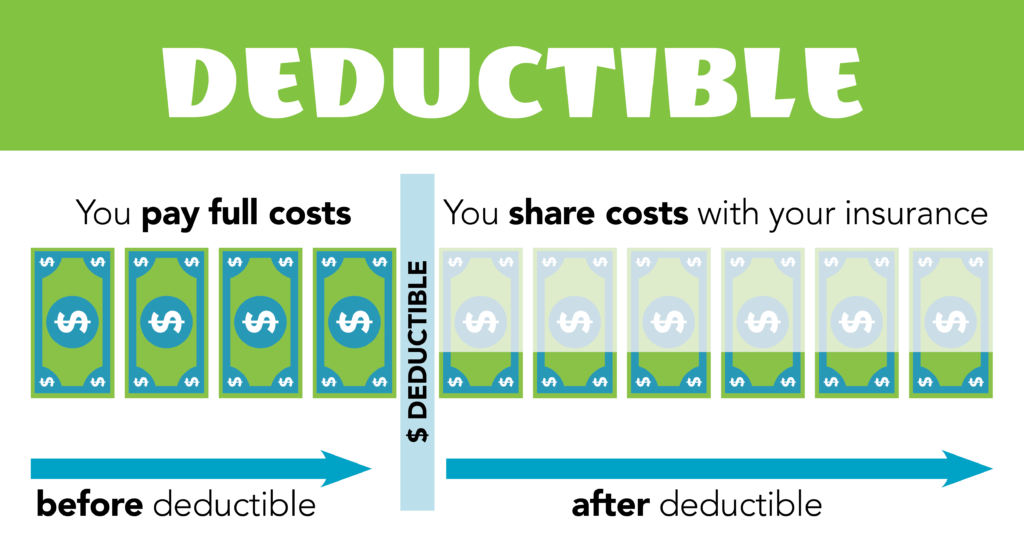
For example, suppose you accidentally collide with a guardrail and your car needs $3,000 in repairs. If the loss is covered and your collision deductible is $500, the insurer could pay $2,500 toward eligible repairs, assuming the covered repair amount is $3,000 and no other limits or adjustments apply.
Collision coverage is generally optional under state law. However, a lender or leasing company may require it while you finance or lease a vehicle.
If your car is older and has a low market value, consider whether the potential claim payment would justify the cost of collision coverage and its deductible.
3. Comprehensive Coverage: Theft, Weather, and Other Non-Collision Damage
Comprehensive coverage generally helps pay for covered damage to your vehicle caused by events other than a collision, subject to policy terms and your deductible.
Common examples include:
- Vehicle theft
- Vandalism
- Hail damage
- Falling objects, such as tree branches
- Fire
- Certain types of storm damage
- Animal-related damage, such as hitting a deer
For example, if a hailstorm damages your vehicle’s bodywork, comprehensive coverage may help pay for eligible repairs.
Comprehensive coverage usually does not cover ordinary wear and tear, mechanical failure, or every weather-related loss. Flood damage to a vehicle may qualify under comprehensive coverage, but the specific facts and policy terms matter.
Despite its name, comprehensive coverage does not cover every possible type of damage. It is different from collision coverage, which addresses covered collision-related damage to your vehicle.
Lenders and leasing companies commonly require both comprehensive and collision coverage on financed or leased vehicles.
4. Uninsured and Underinsured Motorist Coverage
Not every driver on the road carries sufficient insurance. Uninsured and underinsured motorist coverage may help protect you when you’re involved in an accident with a driver who has no insurance or insufficient coverage.
The exact protection depends on your state and policy.
Uninsured motorist coverage
Uninsured motorist bodily injury coverage may help pay eligible injury-related expenses when an uninsured driver is legally responsible for an accident.
Some states also offer uninsured motorist property damage coverage, which may help pay for damage to your vehicle in qualifying circumstances.
Underinsured motorist coverage
Underinsured motorist coverage may apply when the at-fault driver has insurance, but their liability limits are insufficient to cover eligible damages.
For example, suppose your covered injury-related damages exceed the other driver’s available liability limit. Underinsured motorist coverage may help with some remaining eligible expenses, depending on your policy, state law, and applicable limits.
These coverages are mandatory in some states and optional in others. Rules, deductibles, and eligibility requirements can vary, so check your state’s requirements and your insurer’s policy details.
5. Medical Payments Coverage and Personal Injury Protection
Medical payments coverage and personal injury protection (PIP) can help pay certain medical or injury-related expenses after a vehicle accident. They are not identical, and their availability depends on your state and policy.
Medical payments coverage
Medical payments coverage, often called MedPay, may help pay eligible medical expenses for you and your passengers after a covered accident, regardless of who caused it.
Depending on the policy, it may cover expenses such as hospital bills, doctor visits, or other qualifying medical treatment.
MedPay generally has a specified limit and does not replace comprehensive health insurance.
Personal injury protection (PIP)
Personal injury protection may cover certain medical expenses and, depending on state law and policy terms, additional costs such as lost wages or essential services following a covered accident.
PIP is required in some states and optional in others. The benefits available and the rules for filing a claim depend on the state.
For example, if you are injured in an accident, your PIP coverage may help pay qualifying medical expenses without first requiring you to establish that another driver was at fault.
Review your policy to understand the difference between MedPay and PIP and how either coverage may coordinate with your health insurance.
6. Additional Auto Insurance Options
Beyond the six main coverage types, insurers may offer other options designed for specific situations.
Rental reimbursement coverage
Rental reimbursement may help pay for a rental vehicle while your insured car is being repaired after a covered claim. It typically has daily and total limits, and the reason your car is unavailable must meet the policy requirements.
It does not automatically cover every rental car you use. Coverage for renting a vehicle while traveling is a separate question.
Roadside assistance
Roadside assistance may provide services such as towing, jump-starts, flat-tire assistance, or help with a lockout, depending on your plan.
Check whether the service has mileage limits, service restrictions, or additional fees.
Gap insurance
Guaranteed asset protection (GAP) coverage may help cover the difference between the amount you owe on a vehicle loan or lease and the vehicle’s covered value after a qualifying total loss.
For example, if your outstanding loan balance is $24,000 but the vehicle’s applicable insurance valuation is $20,000, you could face a $4,000 difference before considering other adjustments. GAP coverage may help with an eligible shortfall under its terms.
GAP coverage has limitations and may not cover every fee, missed payment, deductible, or amount owed.
What Does Car Insurance Usually Not Cover?
Car insurance does not cover every loss or expense. Common limitations include the following.
Normal wear and tear
Auto insurance generally does not pay for routine maintenance or deterioration, such as worn brake pads, aging tires, or ordinary mechanical wear.
Mechanical breakdown
A mechanical failure unrelated to a covered event is generally not covered by standard auto insurance. Separate mechanical breakdown protection may be available from certain providers.
Personal belongings inside your car
Standard auto insurance generally does not cover personal belongings stolen from your vehicle. Depending on the circumstances, your homeowners or renters policy may provide some protection, subject to its deductible, limits, and exclusions.
Commercial use
Personal auto policies may restrict or exclude certain business activities, such as some delivery or rideshare work. Special coverage or a commercial policy may be necessary, depending on how the vehicle is used.
Driving outside policy conditions
Coverage may be affected by exclusions involving unauthorized drivers, prohibited vehicle use, or other policy conditions. The outcome depends on the specific wording and applicable law.
Before assuming a loss is covered, review your policy or ask your insurer to explain the relevant provision.
Liability vs. Full Coverage: What’s the Difference?
The phrase “full coverage car insurance” is commonly used to describe a policy that combines liability coverage with collision and comprehensive coverage. However, it is not a standardized policy term and does not mean every possible loss is covered.
| Feature | Liability only | Commonly called full coverage |
|---|---|---|
| Injuries you cause to others | Yes, subject to policy | Yes, subject to policy |
| Damage you cause to another person’s property | Yes, subject to policy | Yes, subject to policy |
| Covered collision damage to your vehicle | Usually no | Usually yes |
| Covered theft or weather damage to your vehicle | Usually no | Usually yes |
| Medical expenses for you | Depends on other coverage | Depends on additional coverage |
| Uninsured motorist protection | Depends on policy and state | Depends on policy and state |
The right choice depends on your vehicle’s value, your ability to pay for repairs or replacement, your financial circumstances, and any lender requirements.
A liability-only policy may cost less, but you may have to pay out of pocket to repair or replace your own vehicle after a loss that liability insurance does not cover.
How Much Car Insurance Coverage Do You Need?
There is no single amount that suits every driver. Consider the following factors when reviewing your policy.
1. Your state’s minimum requirements. Confirm the liability limits and other coverages required where your vehicle is registered.
2. Your financial situation. Consider whether the minimum liability limits would provide sufficient protection if you caused a serious accident.
3. Your vehicle’s value. Collision and comprehensive coverage may be more useful when replacing the vehicle would create a substantial financial burden.
4. Your deductible. A higher deductible can reduce your premium in some cases, but it also means paying more out of pocket for a covered claim.
5. Your driving and vehicle use. Your mileage, location, vehicle type, and use of the car may affect your coverage needs and premium.
6. Your lender or lease requirements. If your car is financed or leased, review any contractual insurance requirements.
When comparing quotes, compare the same coverage types, limits, and deductibles. Otherwise, a lower premium may simply reflect less protection.
How to Check What Your Car Insurance Covers
If you already have auto insurance, follow these steps to understand your current protection.
- Review your declarations page. Check the coverages listed, limits, deductibles, and insured vehicles.
- Read the policy documents. Review exclusions, conditions, and any special provisions that apply.
- Confirm your deductible amounts. Collision and comprehensive coverage often have separate deductibles.
- Check optional coverages. Look for uninsured motorist protection, rental reimbursement, roadside assistance, and other options.
- Ask your insurer questions. If you’re uncertain about a particular scenario, ask whether the policy applies and request clarification in writing when appropriate.
You can also consult the National Association of Insurance Commissioners’ auto insurance resources for consumer guidance.
Frequently Asked Questions
Does car insurance cover an accident if I am at fault?
Your liability coverage may pay for eligible injuries and property damage you cause to others, up to your policy limits. Collision coverage may help pay for covered damage to your own vehicle. The outcome depends on the policy, deductibles, exclusions, and circumstances.
Does car insurance cover theft?
Comprehensive coverage generally helps pay for covered vehicle theft, subject to your deductible and policy terms. Personal belongings stolen from the vehicle are generally handled separately and may be covered by a homeowners or renters policy.
Does car insurance cover weather damage?
Comprehensive coverage may help pay for certain weather-related vehicle damage, such as hail or falling branches. Coverage depends on the event and policy terms. Collision coverage generally addresses damage resulting from covered collisions.
Is car insurance required in every US state?
Most states require drivers to carry some form of auto liability insurance, but requirements vary. Some states allow alternative ways to demonstrate financial responsibility. Check your state’s official insurance or motor vehicle department for current rules.
Is comprehensive coverage the same as full coverage?
No. Comprehensive coverage is one specific type of auto insurance. “Full coverage” is an informal term often used for a combination of liability, collision, and comprehensive coverage, sometimes with additional protections.
Can I drive someone else’s car with my insurance?
It depends on the policies involved, who owns the vehicle, permission to drive it, the state, and the circumstances. Do not assume your own policy automatically covers every car you drive. Check with your insurer before relying on that protection.
Final Thoughts
Car insurance can protect you against several types of financial risk, but the protection depends on which coverages you have selected.
Liability insurance addresses certain injuries and damage you cause to others. Collision and comprehensive coverage may protect your own vehicle against different types of loss, while uninsured motorist, medical payments, and personal injury protection can provide additional benefits in qualifying situations.
Take time to review your policy, compare coverage limits, understand your deductibles, and check state requirements. Choosing insurance based on both price and protection can help you make a more informed decision.
Disclaimer: This article is for general educational purposes only and is not legal, financial, or insurance advice. Coverage varies by insurer, policy, and state. Consult your insurer or a licensed insurance professional about your specific situation.